

Estrés ambiental
Water stress
-
Pathogen:
Environmental stress
Type:
Risk to the plant:
INTERMEDIATE
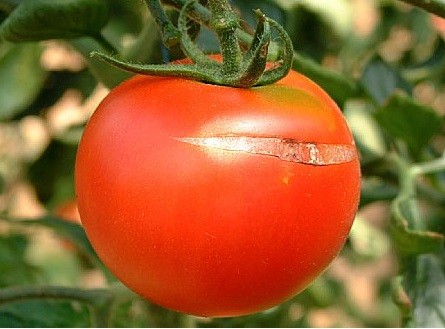
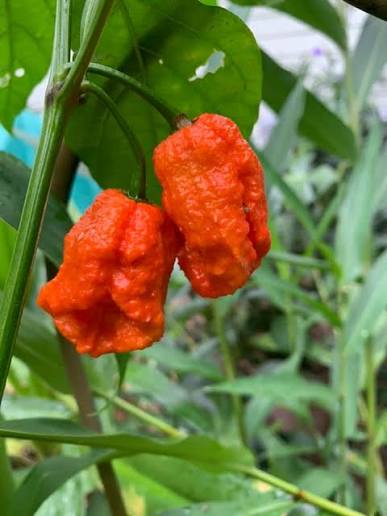

DESCRIPTION
WHO CAUSES IT?
Water stress is a physiological disorder caused by an imbalance between the amount of water a plant loses and the amount of water it can absorb and transport to its tissues. The problem arises primarily when water availability in the soil is insufficient, although it can also occur when roots are damaged, the soil has poor drainage, there is high salinity, or environmental conditions cause water loss exceeding the plant's absorption capacity. When available water decreases, the water potential of the soil, and subsequently that of the plant tissues, is reduced, hindering the maintenance of cell turgor. The plant responds by partially closing its stomata to decrease water loss through transpiration, but this response also limits carbon dioxide uptake and can reduce photosynthetic activity. In prolonged situations, the plant redistributes its resources and prioritizes the survival of essential organs over the development of flowers and fruit. Developing fruits have a high water demand and can be particularly affected when there are significant fluctuations between dry periods and abundant rainfall. Prolonged drought can lead to reduced growth, while rehydration following a period of water deficit can cause rapid tissue expansion, which may lead to cracking in certain fruits. The severity of the problem depends on the duration and severity of the deficit, the species and variety, the phenological stage, the soil's water retention capacity, the depth and health of the root system, and temperature and atmospheric demand conditions. There is no infection, reproduction, or spread of a causal organism; therefore, there is no biological transmission process similar to that of a disease caused by fungi, bacteria, or viruses.
SYMPTOMS
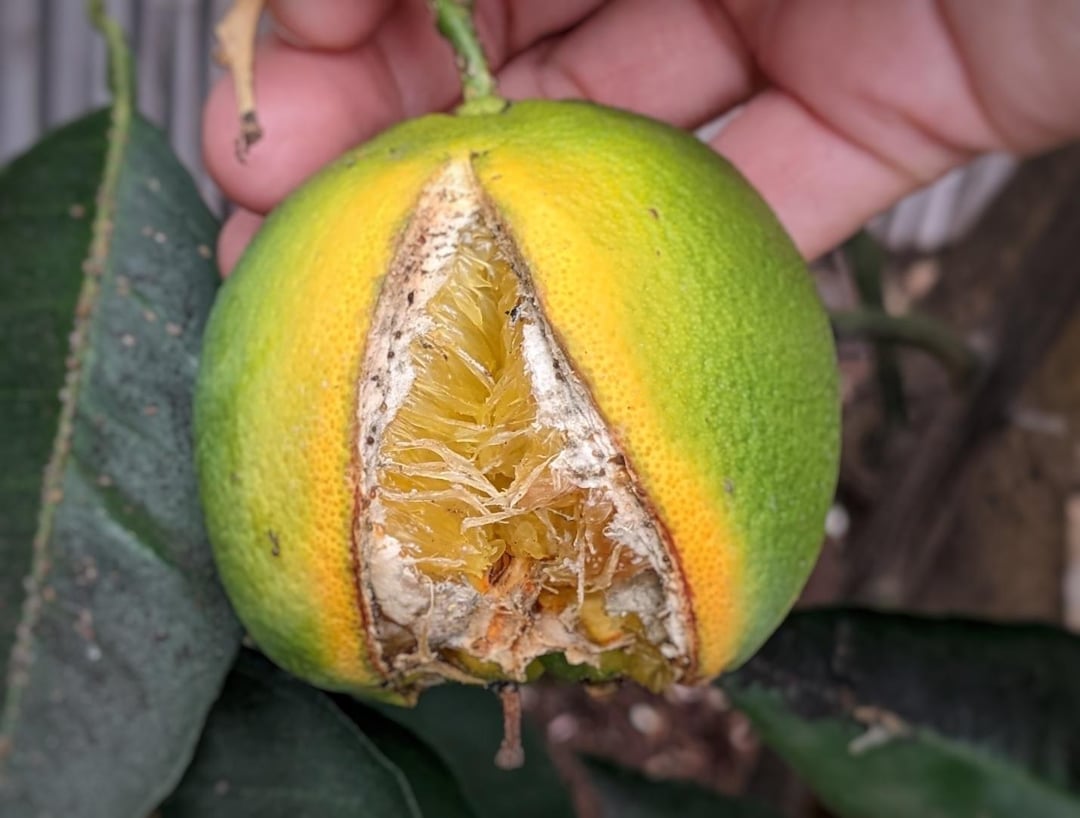
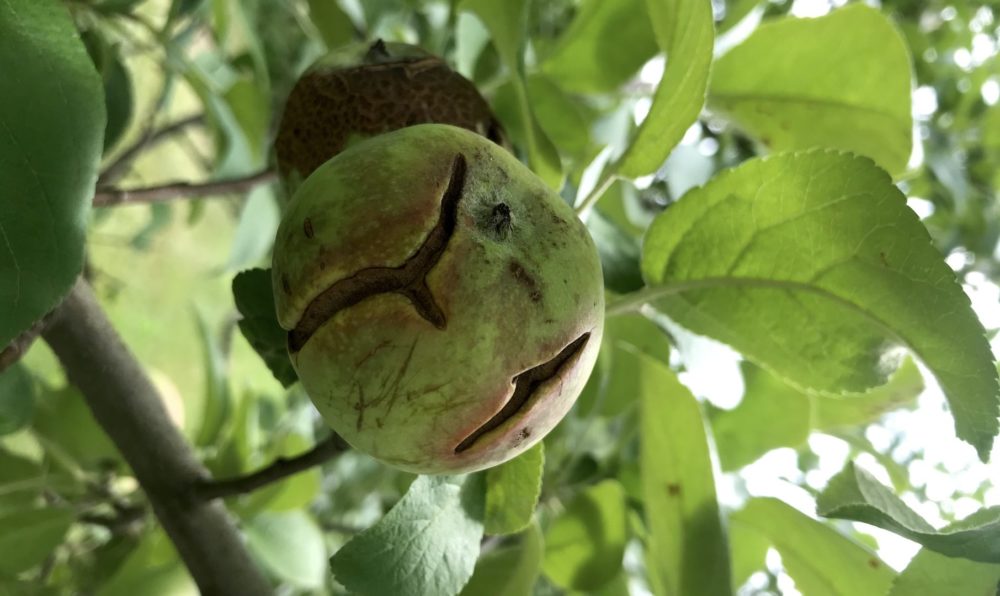
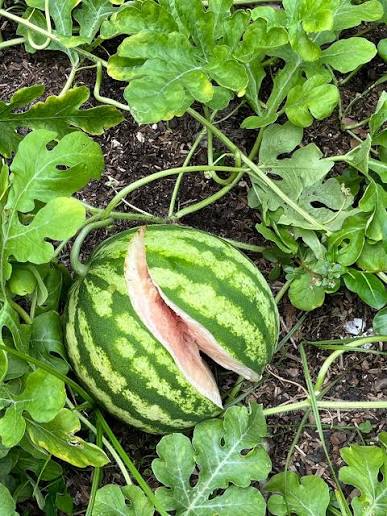
Water stress in fruit occurs when the water supply is insufficient to adequately maintain tissue growth and water balance. It can appear at any stage of development, but is particularly detrimental during rapid growth, fruit set, and ripening. Prolonged water deficit can reduce final fruit size, slow growth, and lead to loss of turgor and dehydration. When stress alternates with periods of abundant irrigation, abrupt changes in water content can cause rapid tissue expansion and promote surface cracking and fissures. In some crops, premature fruit drop, uneven ripening, and changes in firmness may also occur. Affected fruit may exhibit lower commercial quality and increased susceptibility to secondary damage. Under severe stress conditions, water loss can lead to partial tissue drying and compromise normal fruit development. Symptoms can vary depending on the species and stage of development, but are generally directly related to water loss, reduced growth, or abrupt fluctuations in hydration. Dehydration / Small fruit / Fruit cracking / Deformation / Loss of firmness / Uneven ripening / Wilting / Tissue drying / Premature fruit drop

TEMPERATURE AND HUMIDITY
-
-

HOW IS IT SPREAD?
-

HOW TO REMOVE IT?
Home remedies
There are no home treatments
Chemical treatments
There are no phytosanitary treatments. Irrigation should be corrected and drainage improved.
Treatments allowed in organic farming
There are no phytosanitary treatments. Irrigation should be corrected and drainage improved.
Insect allies
PREDATORY MITES
LADYBUGS
LACEWINGS
PARASITIC WASPS
HOVERFLIES OR PARASITIC FLIES
PREDATORY BUGS
There are no natural allies
Mycodiplosis oidii (predatory mosquito)
EFFECTIVE PRODUCTS TO ELIMINATE THIS DISEASE
Sponsored link

Sponsored link
Sponsored link
Sponsored link
Sponsored link
Sponsored link
Sponsored link
Sponsored link
Sponsored link
Sponsored link


Sponsored link
Sponsored link
Effective against all types of fungi

Sponsored link
Sponsored link
Sponsored link
Sponsored link
Sponsored link
Sponsored link
Sponsored link
Sponsored link


Sponsored link
Sponsored link

Sponsored link
Sponsored link
Sponsored link
Sponsored link
Sponsored link
Sponsored link
Sponsored link
Sponsored link


Sponsored link
Sponsored link
Sponsored link
Sponsored link
Sponsored link
Sponsored link
Sponsored link
Sponsored link
Sponsored link
Sponsored link


Sponsored link
• Maintain a regular irrigation program adapted to the specific water needs of the crop and environmental conditions.
• Avoid prolonged periods of drought, especially during flowering, fruit set, rapid growth, and fruit ripening.
• Avoid alternating periods of severe water deficit with excessively abundant irrigation.
• Maintain the most stable soil moisture possible during periods of rapid fruit growth.
• Adjust the frequency and amount of irrigation to the soil texture, water retention capacity, and root system depth.
• Check soil moisture regularly to avoid irrigating only when visible signs of stress appear.
• Use irrigation systems that allow for uniform and controlled water delivery.
• Regularly inspect emitters, drippers, and pipes for blockages, leaks, or flow rate variations.
• Improve soil structure when necessary to promote uniform water distribution around the roots. • Incorporate organic matter when appropriate to improve water retention capacity and promote root development.
• Avoid soil compaction, as it can limit root expansion and hinder water absorption.
• Maintain a healthy and sufficiently developed root system to allow for adequate soil exploration.
• Avoid root damage during transplanting, cultivation, and work performed around the plants.
• Improve drainage when waterlogging occurs, as excess water can reduce root oxygenation and eventually cause symptoms similar to those of water stress.
• Control soil and irrigation water salinity, as a high salt concentration can hinder water absorption by the roots.
• Use mulch when appropriate for the crop to reduce direct evaporation from the soil and stabilize soil moisture.
• Reduce competition for water through proper weed control around the plants. • Adapt irrigation to temperature, solar radiation, wind, and atmospheric demand conditions.
• Increase monitoring during periods of high temperatures, dry winds, or high evaporative demand.
• Avoid excessive pruning or interventions that abruptly alter the balance between leaf area and the amount of roots available to supply water.
• Maintain balanced nutrition to prevent excessively rapid growth that increases the crop's water demand.
• Pay special attention to fruit during rapid growth phases to detect early signs of loss of firmness, dehydration, or cracking.
• Avoid excessively heavy irrigation after prolonged periods of drought when there is a risk of fruit cracking.
• Use soil moisture sensors or tools to monitor soil water content in crops where water stress is recurrent.
• Correct irrigation system deficiencies before indiscriminately increasing the total amount of water applied. • Maintain a consistent irrigation strategy during ripening to reduce abrupt fluctuations in fruit moisture content.
• Remove severely damaged fruit once it has lost its commercial value and correct the irrigation conditions responsible for the problem.
Recommendations

Enjoy idMicrobe TOTALLY FREE, with no trial periods.


