


Hongos
Fungus: what it is, how it originates, and how to eliminate it effectively
Fungus
Fungus
Pathogen:
Fungus
Type:
Risk to the plant:
HIGH
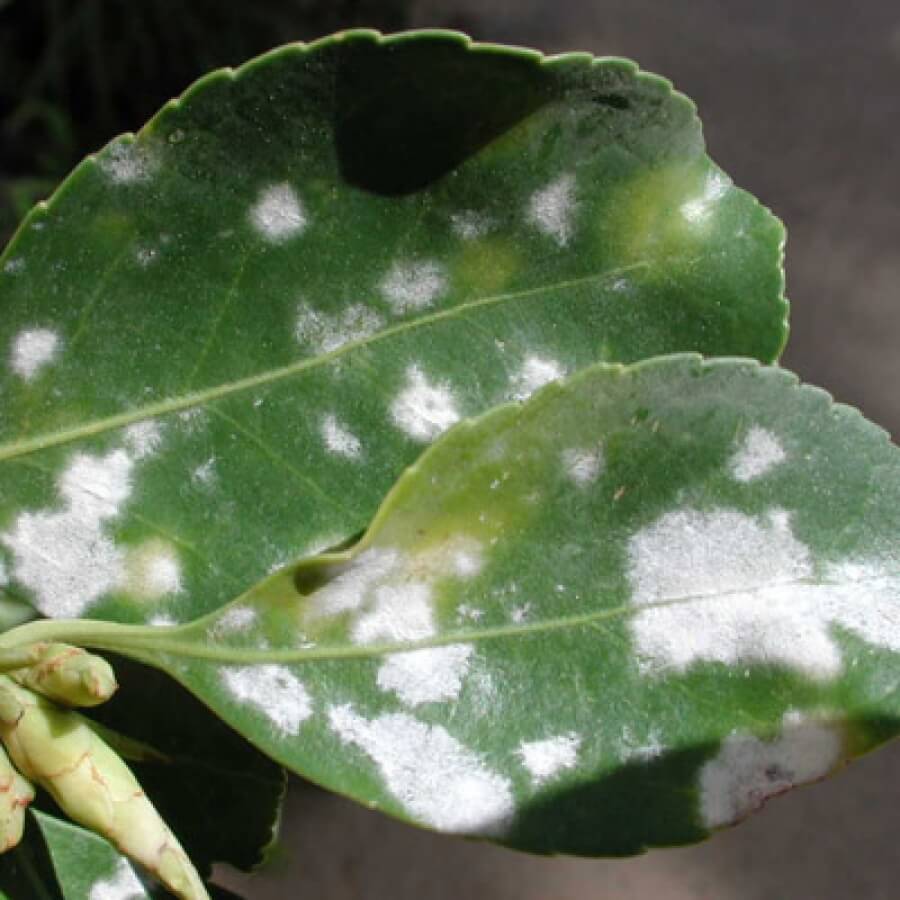


DESCRIPTION
WHO CAUSES IT?
Phytopathogenic fungi that affect decorative garden and/or indoor plants comprise a diverse group of organisms that thrive in humid, temperate conditions. They are eukaryotic organisms, mostly multicellular, that obtain their nutrients by decomposing living or dead organic matter. These fungi reproduce through spores, microscopic structures that can be dispersed through the air, water, or through contact with contaminated tools. Once a spore reaches a suitable plant surface, it germinates and penetrates the tissues through wounds, stomata, or directly by producing specialized structures. Subsequently, a mycelium develops that spreads throughout the plant's internal tissues, disrupting its physiological functions. This vegetative phase can last for a long time, depending on the availability of moisture, temperature, and susceptible tissue. Many of these fungi can remain dormant in plant debris or in the soil during unfavorable seasons, reactivating when optimal conditions are once again encountered.
SYMPTOMS
In decorative garden and/or indoor plants, pathogenic fungi can cause a wide variety of diseases that seriously impair their appearance and overall health. These fungal infections can manifest on leaves, stems, roots, and flowers, compromising their ornamental value. In the initial stages, symptoms may be mild, but if left unchecked, they progress rapidly and can lead to the death of parts of the plant or the entire plant. Diseases caused by fungi in these types of plants tend to spread rapidly when conditions are high in humidity and ventilation is poor.
Brown or black spots on leaves, the appearance of a white or grayish powdery mold on the leaf surface, root or stem rot, sudden wilting, premature leaf drop, deformities in new shoots, concentric rings on affected leaves, abnormal slimy secretions or exudates, and necrosis at the tips of leaves or flowers.


TEMPERATURE AND HUMIDITY
18°C - 28°C
75% - 95%

HOW IS IT SPREAD?
Air, Irrigation water, Plant contact, Contaminated tools, Infected soil, Contaminated plant material

HOW TO REMOVE IT?
Home remedies
There are no home treatments
Chemical treatments
• Orange oil 6% [SL] W/V
• Azoxystrobin 25% [SC] W/V
• Sulfur 80% [SC] W/V
• Sulfur 80% [WG] W/W
• Sulfur 80% [WP] W/W
• Diphenoconazole 0.0167% [AL] W/V
• Diphenoconazole 1.67% [EC] W/V
• Copper hydroxide 25% (expr. on Cu) [WG] W/W
• Copper hydroxide 50% (expr. on Cu) [WP] W/W
• Copper oxychloride 14% (expr. on Cu) + Copper hydroxide 14% (expr. on Cu) [WG] W/W
• Copper oxychloride 30% (EXPR. IN CU) [WP] P/P
• COPPER OXYCHLORIDE 35% (exp. in Cu) [WG] P/P
• COPPER OXYCHLORIDE 35% (EXPR. IN CU) [WG] P/P
• COPPER OXYCHLORIDE 38% (EXPR. IN CU) [SC] P/V
• COPPER OXYCHLORIDE 50% (EXPR. IN CU) [WP] P/P
• COPPER OXYCHLORIDE 52% (EXPR. IN CU) [SC] P/V
• CUPROUS OXIDE 50% (EXPR. IN CU) [WP] P/P
• PIRACLOSTROBIN 6.7% + BOSCALIDE 26.7% ( ) [WG] P/P
• PIRACLOSTROBIN 6.7% + BOSCALIDE 26.7% (I) [WG] P/P
• CUPROCALCIC SULFATE 20% (EXPR. IN CU) [WG] P/P
• CUPROCALCIC SULFATE 20% (EXPR. IN CU) [WP] P/P
• TRIBASIC COPPER SULFATE 19% (EXPR. IN CU) [SC] P/V
• TETRACONAZOLE 10% [EC] P/V
• TETRACONAZOLE 12.5% [ME] P/V
• TETRACONAZOLE 4% [ME] P/V
Treatments allowed in organic farming
• ORANGE OIL 6% [SL] W/V
• SULFUR 80% [SC] W/V
• SULFUR 80% [WG] W/W
• SULFUR 80% [WP] W/W
• CUPRIC HYDROXIDE 25% (EXPR. IN CU) [WG] W/W
• CUPRIC HYDROXIDE 50% (EXPR. IN CU) [WP] W/W
• COPPER OXYCHLORIDE 14% (exp. in Cu) + CUPRIC HYDROXIDE 14% (exp. in Cu) [WG] W/W
• COPPER OXYCHLORIDE 30% (EXPR. IN CU) [WP] W/W
• COPPER OXYCHLORIDE 35% (exp. in Cu) [WG] W/W
• COPPER OXYCHLORIDE 35% (EXPR. IN CU) [WG] P/P
• COPPER OXYCHLORIDE 38% (EXPR. IN CU) [SC] P/V
• COPPER OXYCHLORIDE 50% (EXPR. IN CU) [WP] P/P
• COPPER OXYCHLORIDE 52% (EXPR. IN CU) [SC] P/V
• CUPROUS OXIDE 50% (EXPR. IN CU) [WP] P/P
• CUPROCALCIC SULFATE 20% (EXPR. IN CU) [WG] P/P
• CUPROCALCIC SULFATE 20% (EXPR. IN CU) [WP] P/P
• TRIBASIC COPPER SULFATE 19% (EXPR. IN CU) [SC] P/V
Insect allies
PREDATORY MITES
LADYBUGS
LACEWINGS
PARASITIC WASPS
HOVERFLIES OR PARASITIC FLIES
PREDATORY BUGS
There are no natural allies
Mycodiplosis oidii (predatory mosquito)
EFFECTIVE PRODUCTS TO ELIMINATE THIS DISEASE





Avoid overwatering and ensure good drainage in pots and planters.
Use sterile or previously disinfected substrates at the time of transplanting or planting.
Maintain adequate space between plants to promote air circulation and reduce ambient humidity.
Immediately remove wilted or diseased leaves and flowers to reduce the source of spores.
Disinfect gardening tools regularly to prevent the spread of the pathogen.
Avoid wetting the foliage during watering, especially during low-light hours or in high humidity conditions.
Apply preventative treatments with approved fungicides during periods of high risk, alternating active ingredients to reduce the risk of resistance.
Do not reuse pots without thorough cleaning with appropriate disinfectants.
Control ventilation in greenhouses or closed indoor spaces, using extractors or fans if necessary.
Purchase plants from reputable nurseries that guarantee plant health.
Recommendations



Explore more tools
Services
Contact
Legal
©2023 por ZeriMar Laboratoire. Todos los derechos reservados.