


Gorgojos
Lixus: what it is, how it originates, and how to eliminate it effectively
Lixus
Lixus Junci / Lixus Scabricollis
Pathogen:
Insect
Type:
Risk to the plant:
HIGH
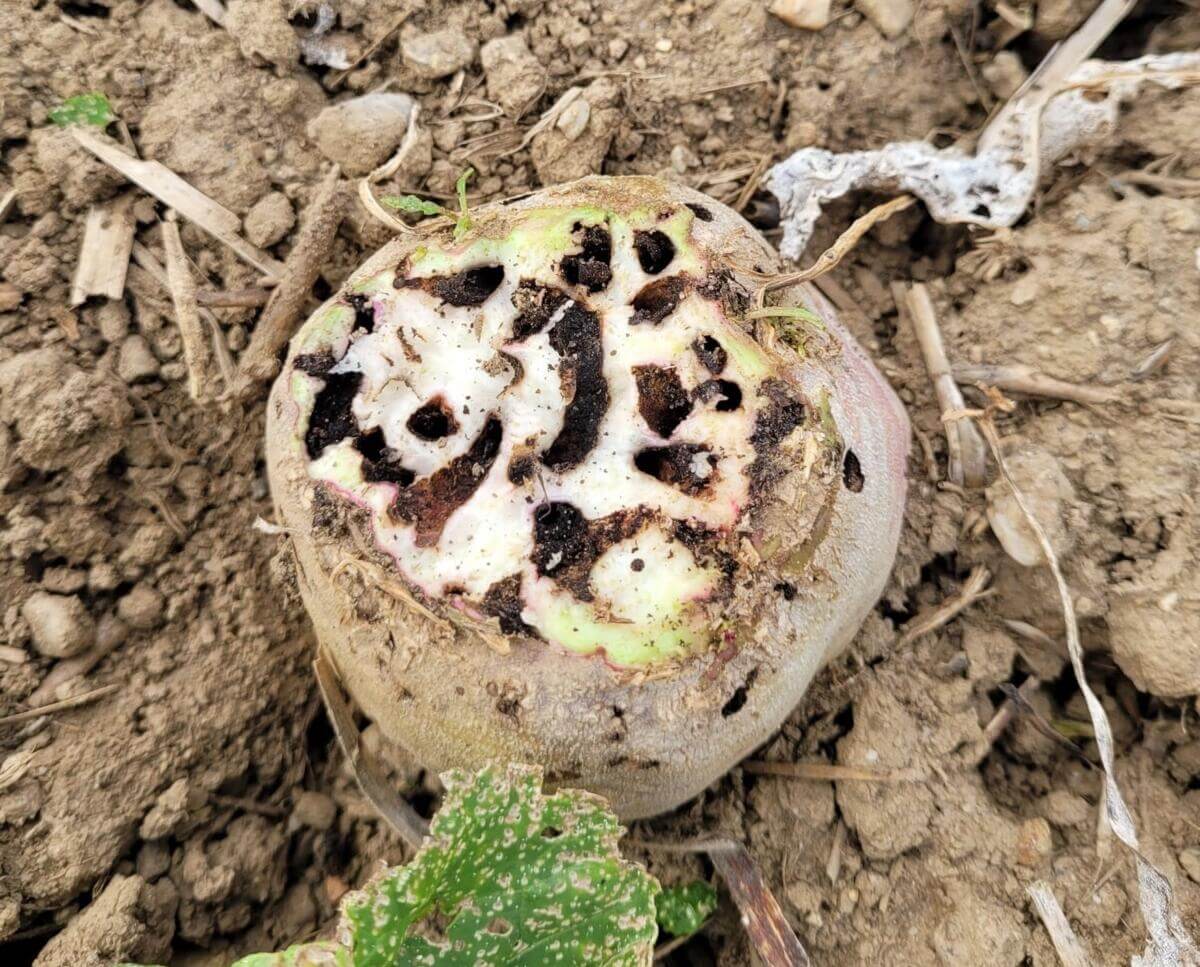
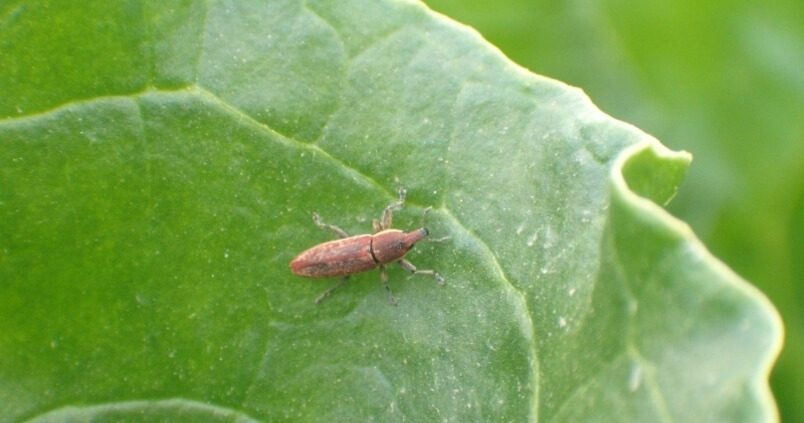

DESCRIPTION
WHO CAUSES IT?
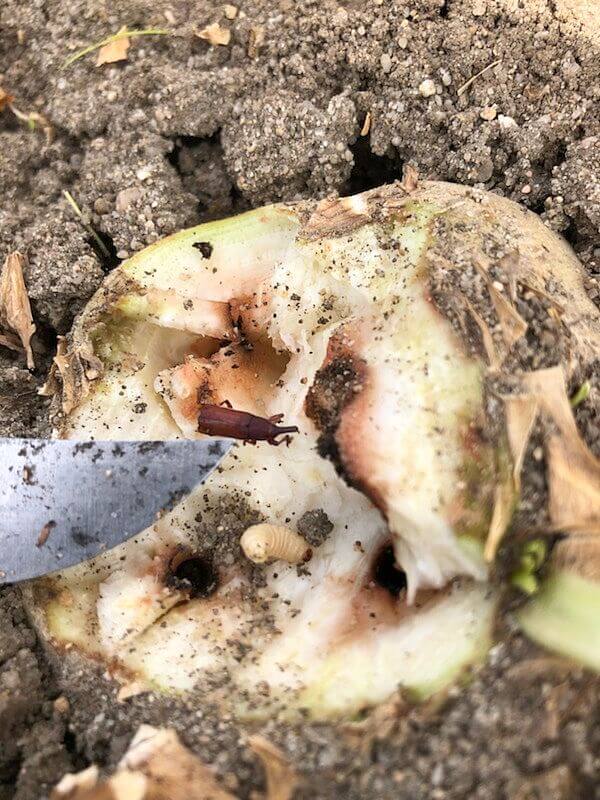
Lixus junci and Lixus scabricollis are two species of weevils belonging to the family Curculionidae, known for their negative impact on sugar beets. The adults of these weevils are elongated in shape, with a characteristic elongated face and a brown to black color. Females lay their eggs in the tissue of the host plant, where the larvae emerge and begin feeding. The larvae, which are creamy white in color and have an elongated body, develop inside the stems and roots of the plant, causing galleries that interrupt the flow of nutrients. After completing their larval development, the larvae pupate within the plant or in nearby soil. The adults emerge from the pupa and restart the cycle by mating and laying eggs on new plants. This process can be repeated several times during the growing season, especially under favorable conditions.
SYMPTOMS
The disease known as Lixus, caused by Lixus junci and Lixus scabricollis, causes significant damage to sugar beets. The larvae of these weevils feed on the internal tissues of plants, creating galleries that weaken the structure of the plant and affect its ability to absorb nutrients and water. This results in reduced plant growth and yield, and in severe cases, can lead to plant death.
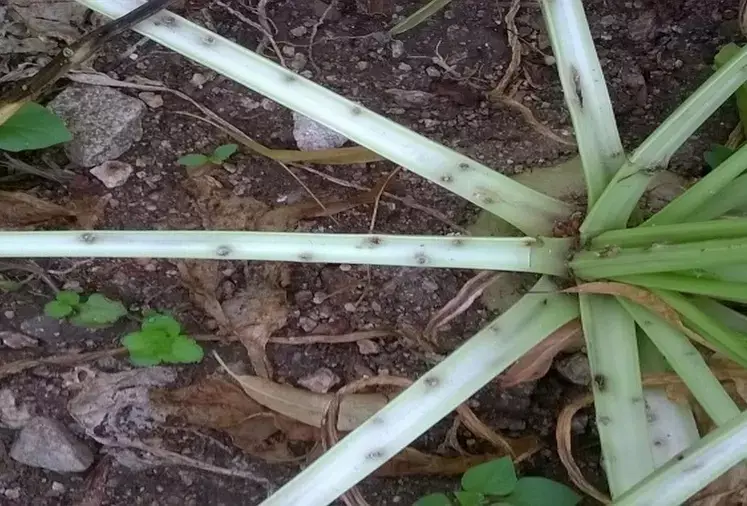
- Presence of galleries in the stems and roots.
- Yellowing and wilting of leaves.
- Decrease in the growth and vigor of the plant.
- Reduction in sugar production.
- Deformation of stems and roots.
- Death of plants in severe infestations.


TEMPERATURE AND HUMIDITY
20°C - 30°C
50% - 80%

HOW IS IT SPREAD?
Wind, direct contact with infested plants, movement of contaminated soil, agricultural tools, infected plant material

HOW TO REMOVE IT?
Home remedies
There are no home treatments
Chemical treatments
• CYPERMETHRIN 5% [EC] P/V
• DELTAMETHRIN 2.5% [EW] P/V
• DELTAMETHRIN 1.57% [SC] P/V
• SPINOSAD 48% [SC] P/V
• LAMBDA CYHALOTHRIN 5% [EG] P/P
Treatments allowed in organic farming
• SPINOSAD 48% [SC] P/V
• LAMBDA CYHALOTHRIN 5% [EG] P/P
Insect allies
PREDATORY MITES
LADYBUGS
LACEWINGS
PARASITIC WASPS
HOVERFLIES OR PARASITIC FLIES
PREDATORY BUGS
There are no natural allies
Mycodiplosis oidii (predatory mosquito)
EFFECTIVE PRODUCTS TO ELIMINATE THIS DISEASE





- Carry out regular monitoring of the crop to detect the presence of adults and early larvae.
- Implement crop rotations to avoid the accumulation of Lixus populations in the field.
- Use sugar beet varieties that are resistant or less susceptible to Lixus attack.
- Apply specific insecticides preventively and when levels of infestation are detected that justify treatment.
- Introduce and promote the activity of natural enemies, such as parasitoids and predators, which can help control Lixus populations.
- Remove and destroy infested plants to reduce the spread of weevils.
- Maintain good field hygiene, eliminating crop remains and weeds that could serve as shelter for adults.
- Avoid excessive use of nitrogen, which can make plants more attractive to ovipositoring females.
Recommendations



Explore more tools
Services
Contact
Legal
©2023 por ZeriMar Laboratoire. Todos los derechos reservados.