top of page

Pudrición de raíz y tallo

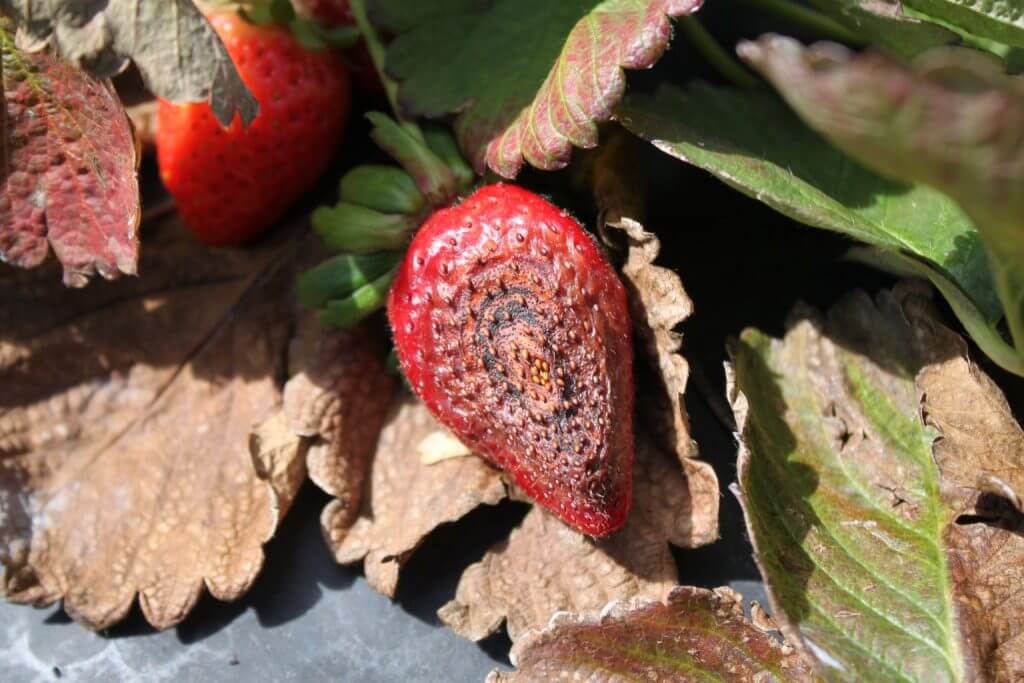
Crown and stem rot: what it is, how it occurs, and how to effectively eliminate it

Crown And Stem Rot

Neopestalotiopsis Sp.

Pathogen:

Fungus

Type:

Risk to the plant:

HIGH
Crown and stem rot: what it is, how it occurs, and how to effectively eliminate it
Neopestalotiopsis in berries | microbeid

Don’t know which pest or disease your plant has?

Correctly identifying the problem is key to saving the plant.


A plant expert analyzes the photos and sends you a clear diagnosis within 24 hours, explaining the causes and the most effective solutions step by step.

1709890758744.png

DESCRIPTION

WHO CAUSES IT?

Neopestalotiopsis sp. It is a genus of pathogenic fungi that affects a variety of plants, including berries. This fungus is characterized by producing asexual spores called conidia, which are dispersed through wind, water, and physical contact with contaminated tools and machinery. Conidia germinate in favorable conditions of high humidity and moderate temperature, invading plant tissues through wounds or natural openings in the plants. Once inside the host, the fungus colonizes the internal tissues, blocking the vessels conducting water and nutrients, which leads to necrosis and death of the affected tissues. The fungus can survive on infected plant remains and in soil, maintaining its ability to infect new plants in subsequent seasons.

SYMPTOMS

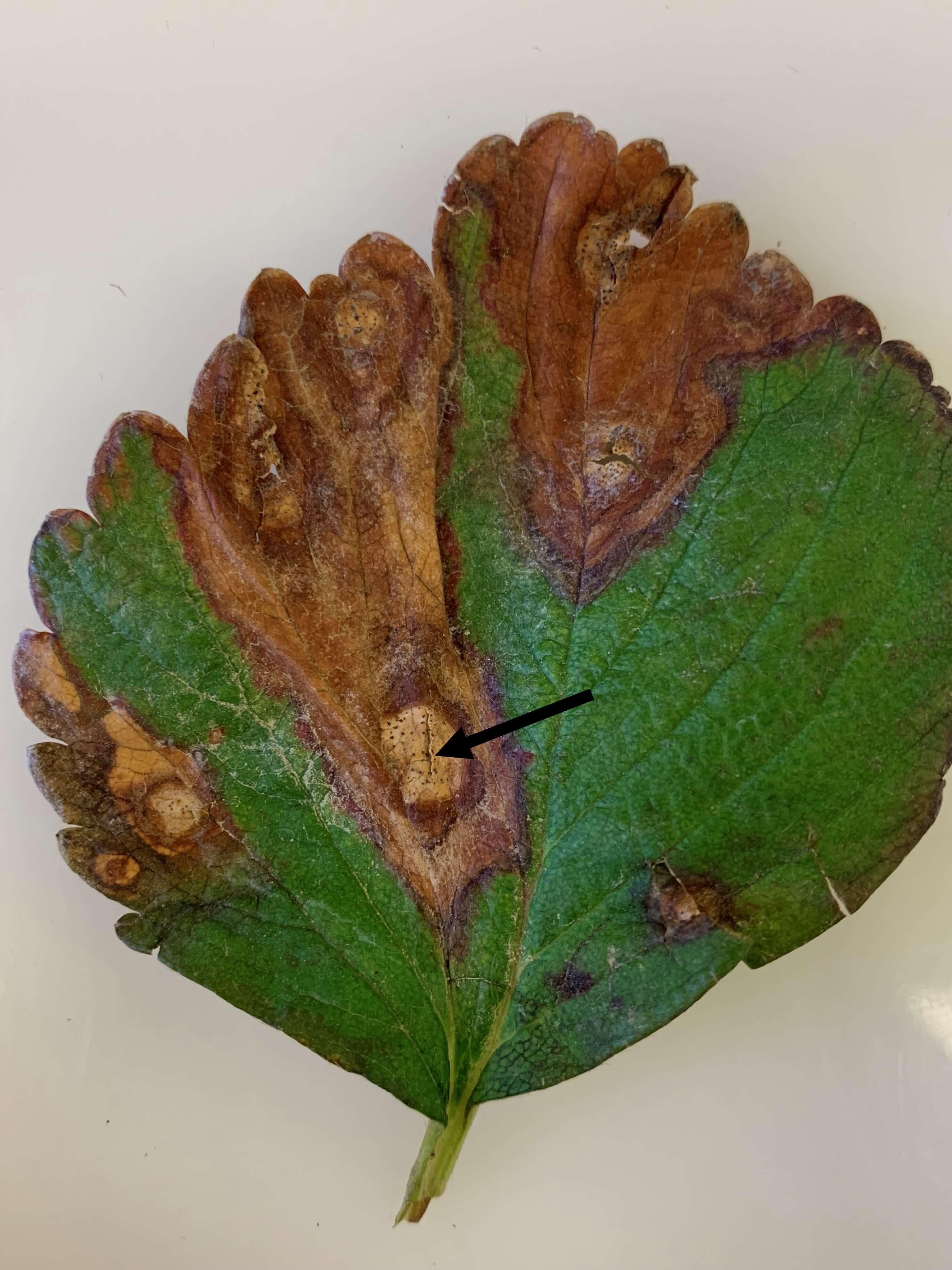
Crown and stem rot in berries caused by Neopestalotiopsis sp. It manifests itself with several symptoms that compromise the health and productivity of the plants. Symptoms include:

- Discoloration and darkening at the base of the stem and crown.
- Withering of leaves, even in the presence of sufficient humidity.
- Necrosis of the internal tissues of the stem and crown.
- Delay in plant growth and reduction in vigor.
- Dark and watery lesions on the stem.
- Collapse and death of the plant in severe cases.
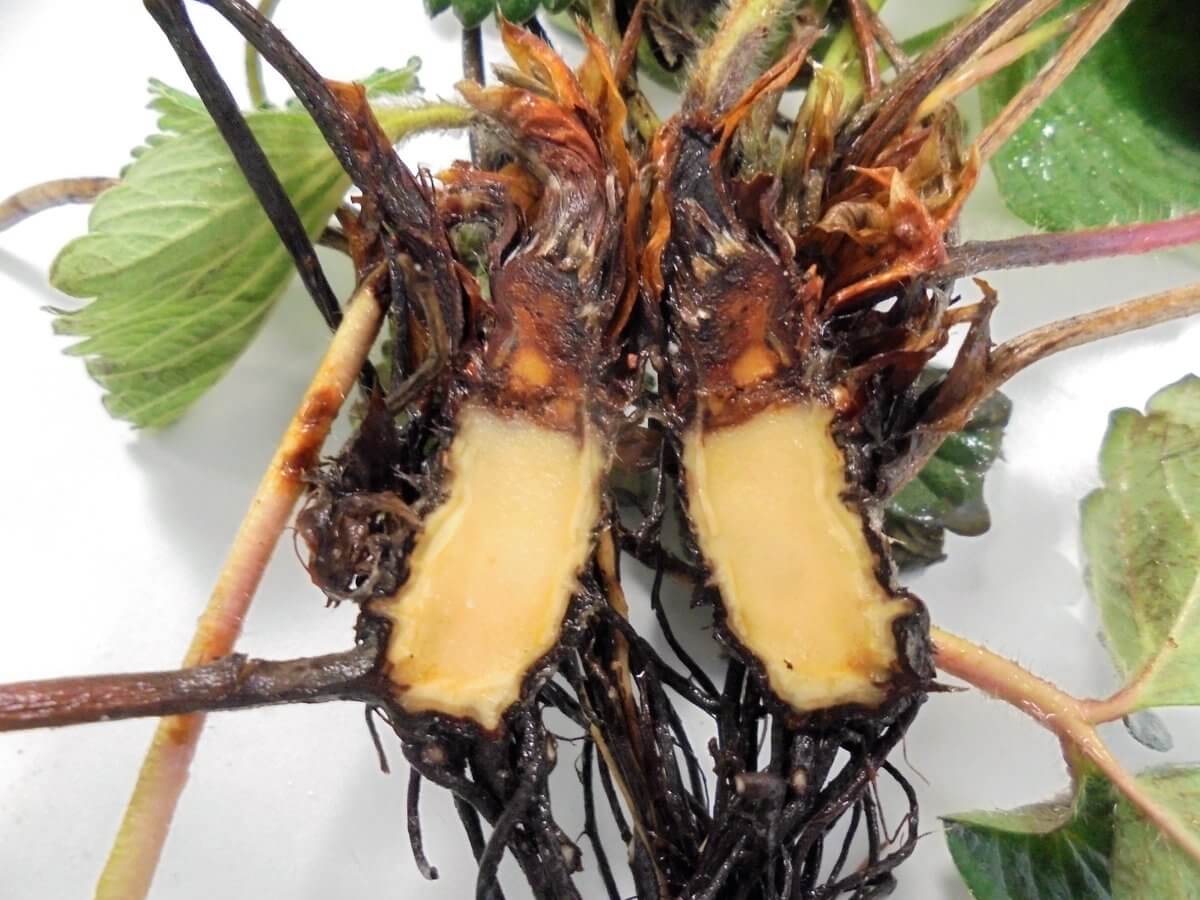
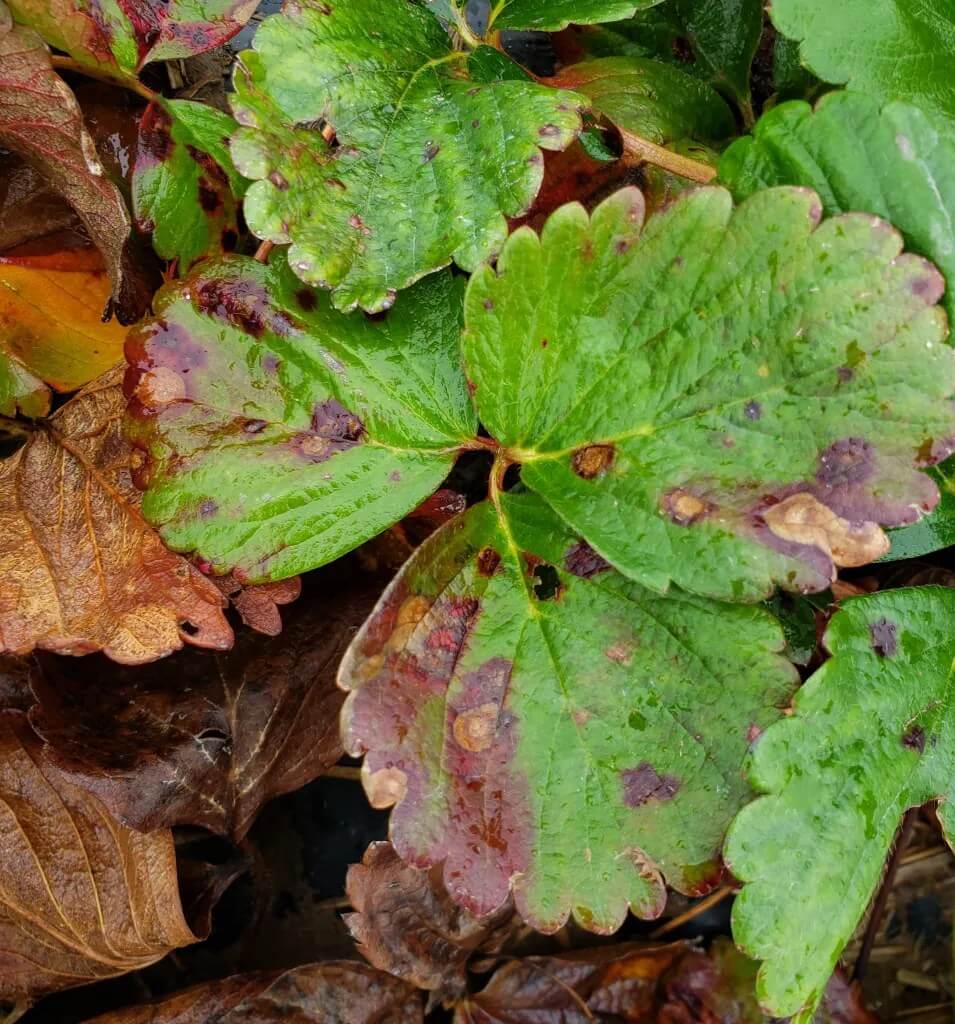
Crown and Stem Rot: Symptoms and Damage in Berries
Damage caused by crown and stem rot in berries
Crown and Stem Rot in Berries: How to Recognize and Treat It Effectively

Don’t know which pest or disease your plant has?

A plant expert reviews your photos and sends you a clear diagnosis within 24 hours, with step-by-step solutions.

1709890758650.png

TEMPERATURE AND HUMIDITY

20°C - 30°C

70% - 90%

Cargando...

HOW IS IT SPREAD?

Irrigation water, Contaminated soil, Infected plant material, Gardening tools, Movement of agricultural machinery, Wind

1709890758673.png

HOW TO REMOVE IT?

Home remedies

BONE MEAL OR GROUND FISH SHELLS

RUSTY NAILS OR IRON SHAVINGS

BANANA PEELS

EPSOM SALTS (MAGNESIUM SULFATE)

SOLUTION WITH HOUSEHOLD BORAX

GROUND OR BOILED EGGSHELLS

COMPOST WITH ONION OR GARLIC SCRAPS

VEGETABLE COOKING WATER

WOOD ASH

WATER WITH VINEGAR OR LEMON (VERY DILUTED)

GARLIC INFUSION

USED COFFEE OR TEA

BANANA AND EGGSHELL INFUSION

POTATO OR LEGUME COOKING WATER

COMPOST FROM FRESH GREEN LEAVES

COMPOST OR WELL-AGED MANURE

DILUTED MILK (1:10)

BANANA TEA

LEAF COMPOST

NETTLE SLURRY

POTASSIUM SOAP AND NEEM OIL SOLUTION

POTASSIUM SOAP SOLUTION + NEEM OIL + DIATOMACEOUS EARTH

BAKING SODA AND NEUTRAL SOAP SOLUTION

GARLIC INFUSION WITH NEUTRAL SOAP

CHROMATIC OR ADHESIVE TRAPS

DILUTED MILK

HORSETAIL INFUSION

TRUNK WHITEWASHING

DIATOMACEOUS EARTH

WOOD ASH

NETTLE SLURRY

CUT THE AFFECTED BRANCHES AND APPLY CINNAMON

GARLIC AND CINNAMON INFUSION

INFUSION OF WORMWOOD, CHILI OR CHILLI

CLEAN THE AFFECTED AREA AND APPLY ASH PASTE WITH GARLIC OR CINNAMON

GARLIC AND MINT INFUSION

LIGHT TRAPS

APPLY CINNAMON POWDER

PITFALL TRAPS

CRUSHED EGG SHELLS

CLEAN AND SEAL THE WOUND WITH CLAY, CINNAMON AND GARLIC PASTE

GARLIC INFUSION

MATURE COMPOST

TRAPS WITH VINEGAR AND SOAP

SEAL HOLES WITH ASH PASTE AND CRUSHED GARLIC

VINEGAR AND BAKING SODA SOLUTION

ANT TRAP

TAPE TRAP

PHEROMONE TRAP

ALCOHOL TRAPS

FUNNEL TRAP

There are no home treatments

Chemical treatments

-

Treatments allowed in organic farming

-

Insect allies

PREDATORY MITES

LADYBUGS

LACEWINGS

PARASITIC WASPS

HOVERFLIES OR PARASITIC FLIES

PREDATORY BUGS

There are no natural allies

Mycodiplosis oidii (predatory mosquito)

EFFECTIVE PRODUCTS TO ELIMINATE THIS DISEASE

Sponsored link

Ecoworm Potassium Soap

Ecoworm Potassium Soap

Multi-purpose solution for insects. Effective against whiteflies, mites, thrips, leafhoppers, aphids and scale insects.

Sponsored link

Fruit Fly Traps

Fruit Fly Traps

Ready-to-use fruit fly trap with attractant.

Sponsored link

Liquid Copper Fungicide

Liquid Copper Fungicide

Copper fungicide for fungal diseases and plant diseases.

Sponsored link

Organic Seaweed Fertiliser

Organic Seaweed Fertiliser

Plant Food Ideal for All Plants, Rich in Additional Nutrients

Sponsored link

Fungus Fighter Plus | Fungicide for Plants

Fungus Fighter Plus | Fungicide for Plants

Broad-spectrum fungicide for effective control of fungal diseases in plants.

Sponsored link

Ultimate Bug Killer | Broad-Spectrum Insecticide

Ultimate Bug Killer | Broad-Spectrum Insecticide

Fast acting bug spray with up to 2 weeks protection, controls common garden pests

- Select and plant varieties resistant to Neopestalotiopsis sp.
- Rotate crops to avoid the accumulation of pathogens in the soil.
- Improve soil drainage to prevent waterlogging and water accumulation.
- Avoid excessive irrigation and maintain adequate soil aeration.
- Apply preventive fungicides according to manufacturers' recommendations.
- Regularly inspect plants for early symptoms of infection.
- Remove and destroy infected plants to prevent the spread of the fungus.
- Disinfect tools and machinery before and after use.
- Implement good agricultural management practices, such as reducing planting density to improve air circulation.
- Use vegetable covers and mulching to reduce moisture on the soil surface.
- Avoid planting in soils previously contaminated with Neopestalotiopsis sp.
- Promote soil health by adding organic matter and using biofungicides.

Recommendations

Consulting on plant problems and diseases
bottom of page