


Trips
Thrips: what they are, how they originate, and how to eliminate them effectively
Thrips
Frankliniella Occidentalis
Pathogen:
Insect
Type:
Risk to the plant:
HIGH


DESCRIPTION
WHO CAUSES IT?
Frankliniella occidentalis, known as western flower thrips, is a small, elongated insect that infests a variety of crops, including celery. These insects are approximately 1 mm long and pale yellow to brown in color. The female lays her eggs in plant tissues, usually in leaves or flowers. The eggs hatch into larvae that go through two stages before becoming pupae. Pupae usually form in the soil or plant remains. After the pupal phase, the adults emerge, completing their development in approximately two weeks under optimal temperature conditions. Adults and larvae feed by piercing plant cells and sucking the contents, causing considerable damage to plants. In addition to direct damage, Frankliniella occidentalis is a vector of several plant viruses, which increases its negative impact on agriculture.
SYMPTOMS
In celery, Frankliniella occidentalis causes the disease known as thrips, which manifests itself through various symptoms that affect both the growth and quality of the crop. The damage is mainly caused by thrips feeding on the leaves and tender shoots, which results in an aesthetic and functional deterioration of the plant.
- Leaves with silver or discolored Taches
- Distortion and malformation of leaves and shoots
- Presence of black dots (thrips excrement) on the leaves
- Premature fall of flowers and leaves
- Reduction in plant growth and vigor
- Transmission of viruses that cause chlorotic Taches and necrosis on the leaves


TEMPERATURE AND HUMIDITY
20-30°C
60-80%

HOW IS IT SPREAD?
Wind, infested plants, contaminated plant remains, agricultural tools, workers' clothing and hands

HOW TO REMOVE IT?
Home remedies
There are no home treatments
Chemical treatments
• ORANGE OIL 6% [SL] P/V
• ORANGE OIL 60g/L [ME] P/S
• PARAFFIN OIL (CAS [8042-47-5]) 54.6% [EW] P/V
• AZADIRACTIN 1% (AS AZADIRACTIN A) [EC] P/V
• Azadirachtin 2.6% (AS AZADIRACTIN A) [EC] P/V
• CYPERMETHRIN 50% [EC] P/V
• DELTAMETHRIN 1.57% [SC] P/V
• DELTAMETHRIN 10% [EC] P/V
• DELTAMETHRIN 2.5% [EC] P/V
• PYRETHRINS 4% (PYRETHHRINE EXTR.) [EC] P/V
• POTASSIUM SALTS OF FATTY ACIDS C14-C20 48% [EW] P/V
• POTASSIUM SALTS OF VEGETABLE FATTY ACIDS 13.04% [SL] P/V
• SPINOSAD 48% [SC] P/V
• SPIROTETRAMAT 10% [SC] P/V
• ADHESIVE TRAP
• CHROMATIC TRAP
Treatments allowed in organic farming
• ORANGE OIL 6% [SL] P/V
• ORANGE OIL 60g/L [ME] P/S
• PARAFFIN OIL (CAS [8042-47-5]) 54.6% [EW] P/V
• AZADIRACTIN 1% (AS AZADIRACTIN A) [EC] P/V
• Azadirachtin 2.6% (AS AZADIRACTIN A) [EC] P/V
• PYRETHRINS 4% (PYRETHHRINE EXTR.) [EC] P/V
• POTASSIUM SALTS OF FATTY ACIDS C14-C20 48% [EW] P/V
• POTASSIUM SALTS OF VEGETABLE FATTY ACIDS 13.04% [SL] P/V
• SPINOSAD 48% [SC] P/V
• ADHESIVE TRAP
• CHROMATIC TRAP
Insect allies
PREDATORY MITES
LADYBUGS
LACEWINGS
PARASITIC WASPS
HOVERFLIES OR PARASITIC FLIES
PREDATORY BUGS
There are no natural allies
Mycodiplosis oidii (predatory mosquito)
EFFECTIVE PRODUCTS TO ELIMINATE THIS DISEASE

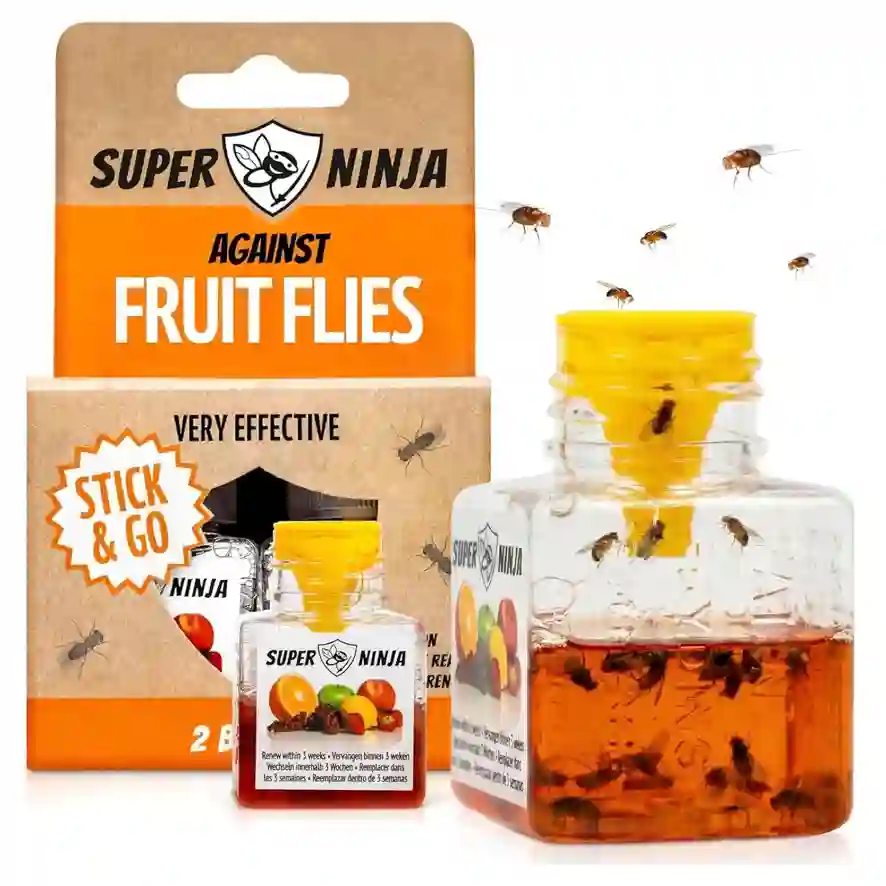
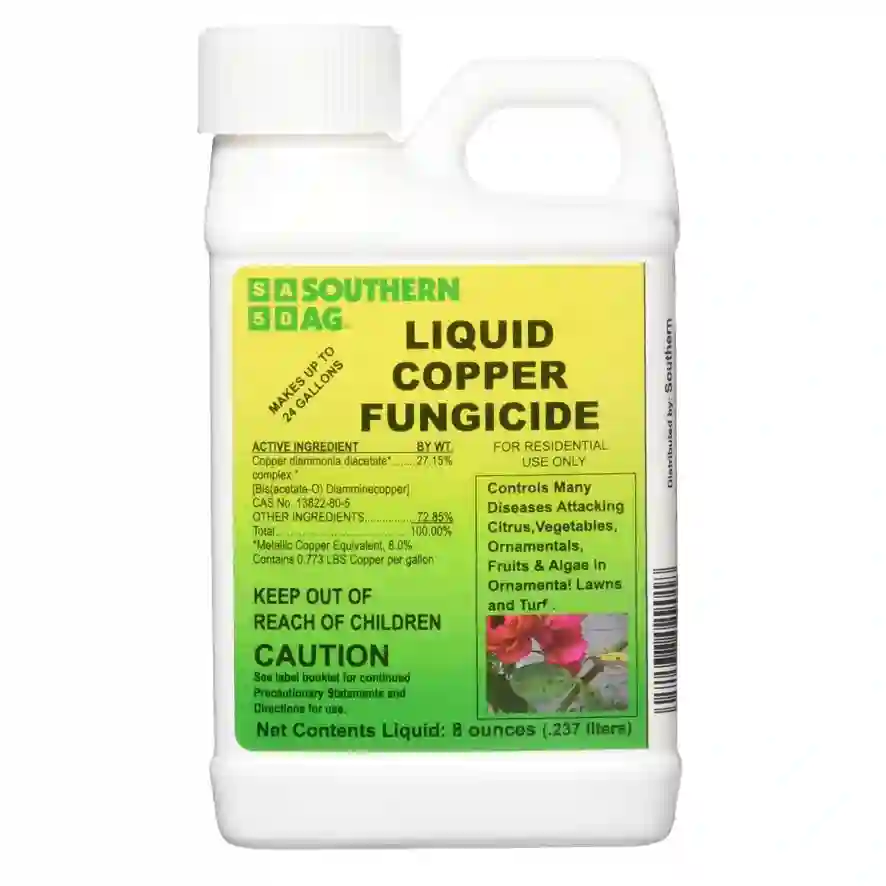


- Implement constant monitoring of crops to detect the presence of thrips early.
- Use blue sticky traps to capture and monitor the thrips population.
- Promote biological control through the introduction of natural enemies such as predatory mites and lacewings.
- Avoid excessive use of insecticides that can eliminate the natural enemies of thrips.
- Apply horticultural oils and insecticidal soaps that interfere with the respiration of thrips.
- Maintain crop hygiene by eliminating weeds and plant debris that can serve as a refuge for thrips.
- Practice crop rotation to reduce the accumulation of thrips in the soil.
- Ensure good irrigation management and avoid water stress in plants.
- Use celery varieties that are less susceptible to thrips infestation.
- Implement physical barriers such as anti-insect mesh to prevent thrips from entering the greenhouse.
Recommendations



Explore more tools
Services
Contact
Legal
©2023 por ZeriMar Laboratoire. Todos los derechos reservados.