


Calcium deficiency in plants: how to identify and correct it
Blossom end rot in tomatoes and peppers: symptoms and treatment
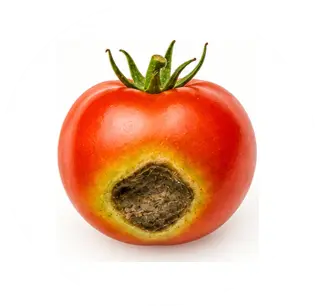
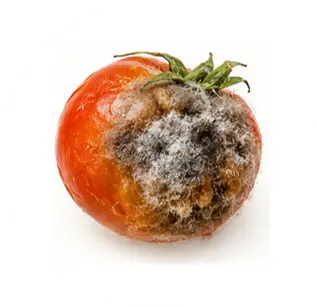
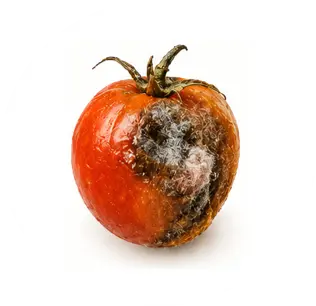
Calcium deficiency can especially affect young tissues and developing fruits. One of the best-known symptoms appears in tomatoes and peppers as a dark spot on the bottom of the fruit, known as blossom end rot.
How to identify calcium deficiency?
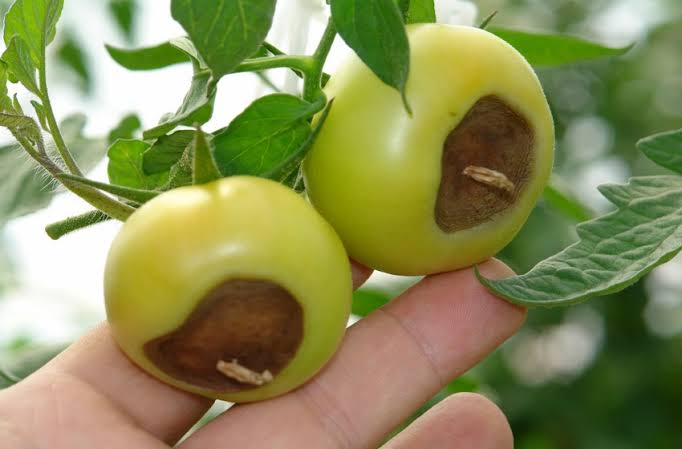
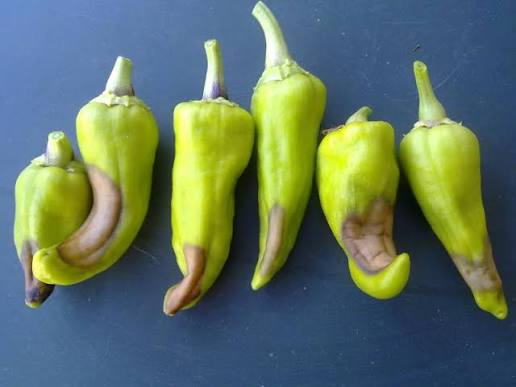
Lack of calcium can especially affect young tissues and developing fruits. In tomatoes and peppers, one of the best-known symptoms is the appearance of a dark spot at the end of the fruit, on the side opposite the stem. This problem is known as blossom end rot. The spot may start small and progressively increase in size until the affected area becomes dry, dark and sunken.
The main symptoms are:
• Brown, dark or black spot at the blossom end of tomatoes and peppers.
• Lesion appearing on the part of the fruit opposite the stem.
• Spot that progressively increases in size.
• Affected area that becomes sunken and develops a dry, leathery appearance.
• Fruits with a dark and deteriorated area on the bottom.
• Deformities or deterioration of young tissues in other plants.
• Young shoots showing weak or deformed growth.
Do not confuse with water stress.
Lack or excess of water can contribute to the appearance of blossom end rot because it makes it difficult for calcium to reach the fruit correctly. However, the most characteristic symptom remains the dark and dry lesion at the blossom end of the fruit.
Do not confuse with salinity or excess fertilizer.
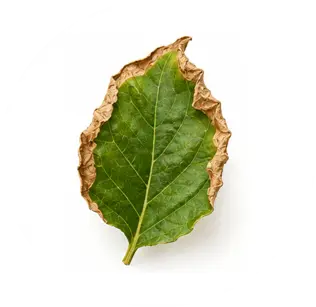
Burns caused by salinity or excess fertilizer mainly appear on the tips and edges of leaves, which can turn yellow, become brown and eventually dry out. Blossom end rot, on the other hand, mainly appears at the end of the fruit.
Do not confuse with rots caused by fungi or bacteria.
Rots caused by fungi or bacteria can appear on different parts of the fruit and usually produce soft, wet tissues that deteriorate quickly. In blossom end rot, the lesion normally begins as a dry, dark and sunken area at the end of the fruit.
Recommended treatment for calcium deficiency
Lack of calcium can cause alterations in tissue development and is especially common in fruits such as tomatoes and peppers. When symptoms such as blossom end rot appear, it is important to act quickly to correct calcium availability and prevent the problem from continuing to appear in new fruits. A liquid fertilizer with calcium that is quickly absorbed allows the calcium needed by the plant to be supplied directly and promotes rapid recovery.
The main recommendations and treatments are:
• Liquid calcium fertilizer: the specific solution for quickly correcting calcium deficiency and providing the plant with the nutrient needed to develop tissues and fruits correctly. Its liquid format facilitates rapid calcium availability and helps restore plant vigor and prevent new lesions from appearing on fruits that develop later.
• Maintain regular and balanced watering: good irrigation management is essential for roots to correctly absorb and transport calcium to the tissues and fruits. Avoiding prolonged periods of drought followed by heavy watering helps maintain a more stable availability of calcium.
• Remove severely affected fruits: fruits that already have a blossom end rot lesion will not recover the damaged tissue. Removing them allows the plant to concentrate its resources on developing new fruits and facilitates crop recovery.
Products for treating calcium deficiency

Other common problems
Discover the most common problems and select the one that interests you.









Explore more tools
Services
Contact
Legal
©2023 by ZERIMAR S.A.R.L. All rights reserved