


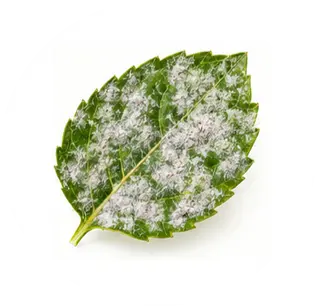
Powdery mildew on plants: how to recognise and control it
How to identify powdery mildew and protect leaves, shoots and fruit
Powdery mildew is a disease caused by different fungi and is characterised by the appearance of a whitish, powdery coating on the surface of leaves, shoots and other plant organs. The infection may begin in small areas and progressively spread until it covers a significant part of the plant, affecting photosynthesis, growth and the development of affected tissues. If conditions are favourable, the disease can spread rapidly, so recognising the first signs and acting as soon as possible is essential to prevent it from spreading and causing more serious damage.
How to recognise powdery mildew
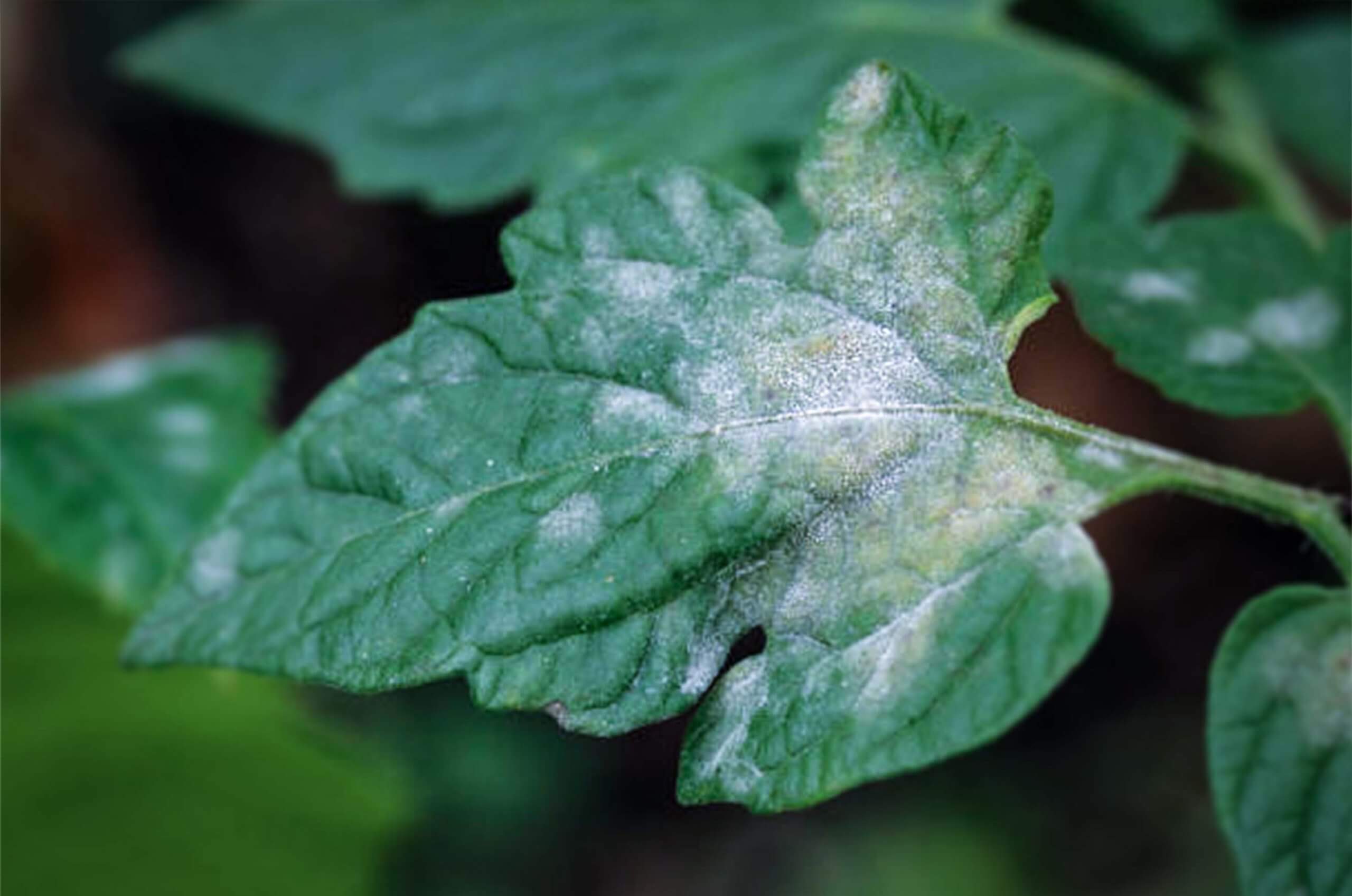
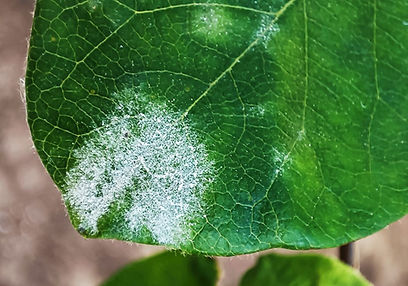
Powdery mildew is characterised by the appearance of a white, flour-like powder or coating on leaves, young shoots, stems and, in some plants, also on flowers and fruit. It usually begins as small isolated areas that gradually increase in size until they cover a large part of the surface. As the infection progresses, leaves may turn yellow, become deformed, dry out and eventually fall.
The main symptoms are:
• White powder appearing on the leaves.
• White or whitish coating on shoots and stems.
• White patches that progressively increase in size.
• Leaves partially covered by a flour-like coating.
• Young shoots with areas covered in white powder.
• Flowers or fruit with whitish patches or coatings in some plants.
• Leaves turning yellow as the infection progresses.
• Deformed leaves or irregular growth.
• Leaves drying out when the infection is severe.
• Leaf drop in advanced attacks.
• Weakened young shoots or reduced development.
Do not confuse it with downy mildew
Downy mildew usually begins with yellowish, light green or brownish patches on the upper surface of the leaves and may develop a whitish, greyish or purplish growth mainly on the underside when sufficient moisture is present. Powdery mildew, by contrast, forms a clearly visible white, flour-like coating on the surface of leaves and other tissues.
Do not confuse it with mould
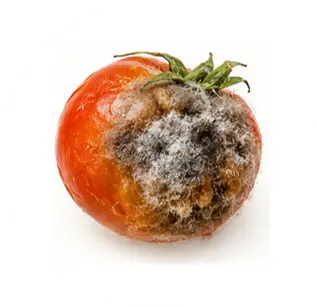
Mould may develop a more cottony, grey, greenish or even dark growth and usually appears on damaged, wet or decomposing tissues. Powdery mildew forms its characteristic white coating on living plant tissues.
Do not confuse it with Botrytis
Botrytis usually causes wet lesions and tissues that become soft and deteriorate, later developing a greyish growth. It is commonly found on flowers, fruit and damaged tissues, whereas powdery mildew mainly appears as a white, flour-like coating on the surface of plant tissues.
Treatments recommended against powdery mildew
Powdery mildew develops mainly on the surface of leaves and shoots, forming its characteristic whitish coating. To control the disease, it is important to reduce the conditions that favour its development and act quickly when the first symptoms appear.
The main recommendations and treatments are:
• Improve ventilation: maintaining adequate spacing between plants and avoiding excessively dense vegetation improves air circulation and reduces conditions favourable to powdery mildew development.
• Avoid wetting the leaves: water directly onto the soil or growing medium and avoid wetting the above-ground parts of the plant to help keep the leaves drier.
• Remove severely affected parts: removing leaves and shoots with advanced infection reduces the amount of fungus present and helps prevent further spread through the plant.
• Avoid excessive moisture: controlling irrigation and avoiding keeping the growing medium constantly wet helps maintain conditions that are less favourable for disease development.
• Copper: provides contact fungicidal protection on the plant surface and helps prevent powdery mildew development, particularly when applied during the early stages of the disease.
• Chemical fungicide for powdery mildew: this is a specific treatment when powdery mildew is already visible and beginning to spread. It acts on fungal development, helps slow the infection and protects new plant growth.
Products for treating powdery mildew

Other common problems
Discover the most common problems and select the one that interests you.



Explore more tools
Services
Contact
Legal
©2023 by ZERIMAR S.A.R.L. All rights reserved