


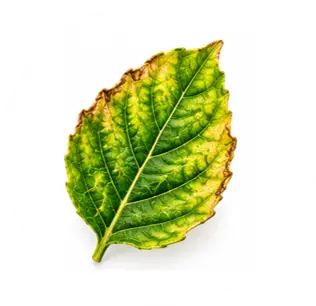
Nutrient deficiencies in plants: how to identify and correct them
How to identify nutrient deficiencies in plants and which fertilizer to use
Nutrient deficiencies occur when the plant does not have enough of one or more nutrients needed to grow and develop properly. They can appear as yellowing, spots, small leaves, weak growth or changes in shoots and fruits. Recognizing these symptoms and knowing which nutrient may be lacking is essential to understand what is happening to the plant and act appropriately.
How to identify a nutrient deficiency in plants?
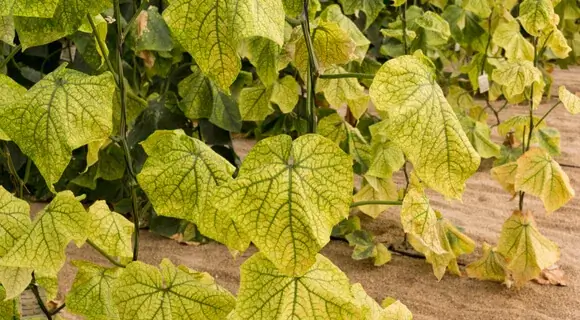
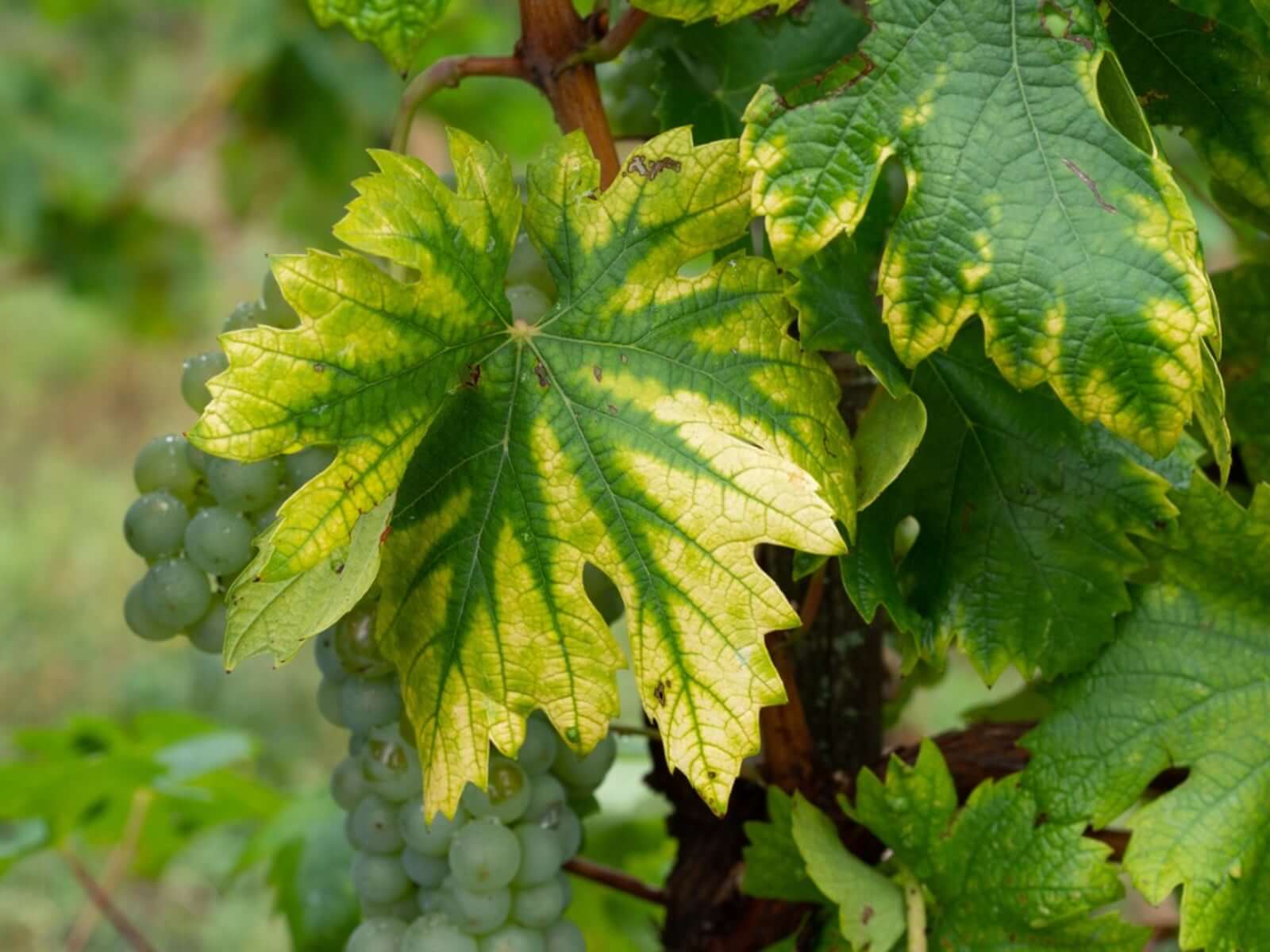
Nutrient deficiencies occur when the plant does not receive enough of one or more nutrients to grow and develop properly. Each nutrient has a different function, so symptoms vary depending on the deficiency and may appear in different parts of the plant.
The main symptoms are:
• Leaves that turn yellow or lose their green color.
• Yellowing that first appears on older or younger leaves, depending on the nutrient.
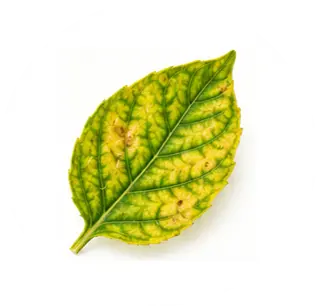
• Yellowing between the leaf veins while the veins remain green.
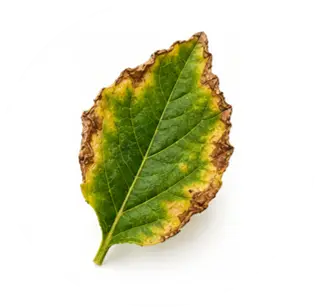
• Leaf edges that dry out or develop a scorched appearance.
• Yellow, brown, reddish or purple spots on the leaves.
• Small, deformed leaves or leaves with abnormal development.
• Weak young shoots or irregular growth.
• Slow growth and general loss of vigor.
• Weak stems or reduced development compared with normal growth.
• Reduced flower production.
• Flowers that develop poorly or may fall prematurely.
• Small, deformed fruits or fruits with poor development.
• Drying or deterioration of certain parts of the plant when the deficiency is severe.
Do not confuse with watering problems.
Excess or lack of water can also cause yellowing, loss of vigor, dry leaves or leaf drop. With nutrient deficiencies, symptoms usually follow a specific pattern depending on the nutrient that is lacking. Watering problems, on the other hand, usually affect the entire plant together with other related signs such as soil moisture.
Do not confuse with pests and diseases.
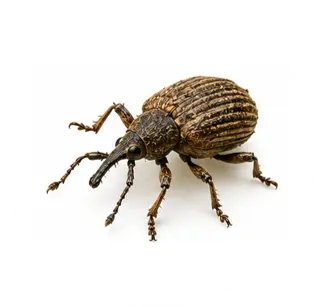
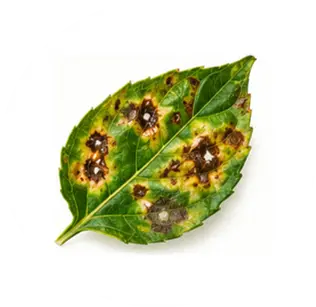
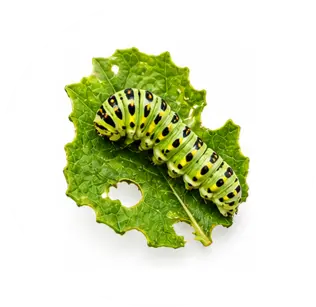
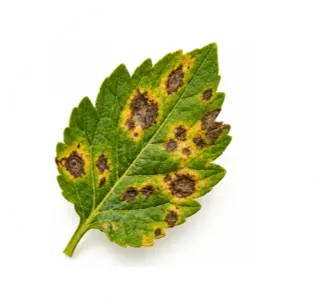
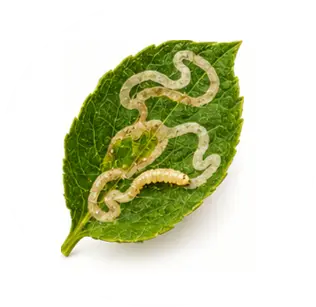
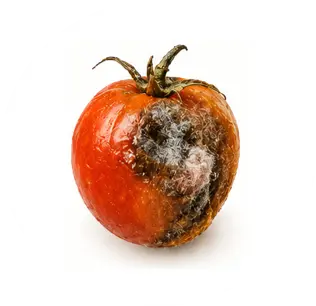
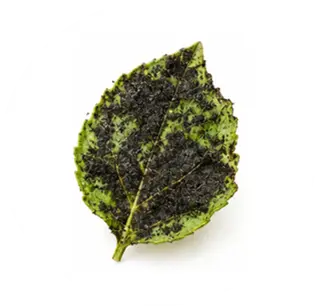
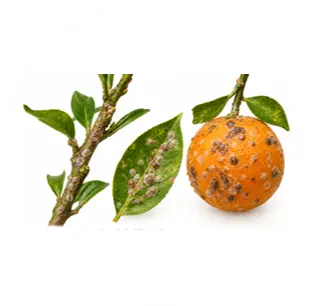
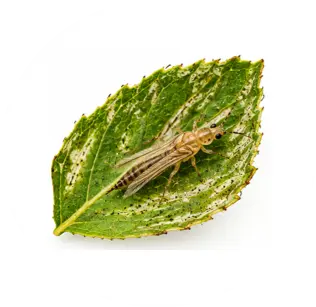
Pests can cause yellowing, spots, deformities or loss of vigor, but they are usually accompanied by other signs such as holes, feeding marks, insects, honeydew, webs or galleries. Diseases can produce similar symptoms, but they usually appear as spots, lesions, rots, deformities or affected areas that progress through specific tissues and are highly localized. A few leaves or branches may be affected without following the same pattern as deficiencies that affect the whole plant, all older leaves or all young leaves.
How to correct nutrient deficiencies
Nutrient deficiencies occur when the plant does not have the nutrients needed to maintain balanced growth. The most common symptoms are yellow leaves, weak growth, small leaves, loss of vigor or reduced production of flowers and fruits. When a specific deficiency cannot be identified, a complete universal fertilizer provides the main nutrients in a balanced way and helps promote rapid plant recovery.
The main recommendations and treatments are:
• Complete universal fertilizer: is the most practical solution for correcting general nutrient deficiencies and providing the plant with the nutrients it needs to restore its vigor. Its balanced supply promotes the formation of new leaves and stems, improves growth and helps maintain good flower and fruit production.
• Control watering: maintaining adequate soil moisture is essential for the roots to absorb nutrients correctly. Both lack of water and excessive watering can hinder nutrient absorption and cause deficiency symptoms even when nutrients are present in the soil.
• Improve drainage: constantly waterlogged soil reduces the availability of oxygen to the roots and makes it more difficult for them to function properly. Improving drainage helps keep the roots active and promotes better absorption of the nutrients supplied.
Products for treating nutrient deficiencies

Other common problems
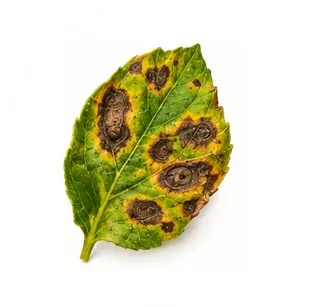
Discover the most common problems and select the one that interests you.





Explore more tools
Services
Contact
Legal
©2023 by ZERIMAR S.A.R.L. All rights reserved