


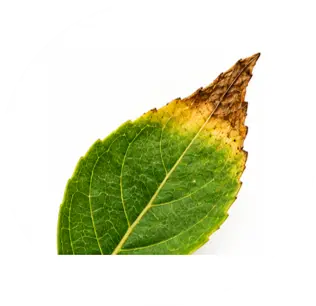
Dry leaf tips: how to recognise and treat them
How to identify dry leaf tips and restore your plants
Dry leaf tips are a common problem in houseplants, gardens and crops and occur when the outermost areas of leaves lose water or experience some form of stress. They can be associated with inadequate watering, low environmental humidity, salt accumulation in the growing medium or a nutritional imbalance. At first, the damage usually appears as slight browning or drying at the tip of the leaves, but it can progress towards the rest of the tissue if the conditions causing the problem persist. Identifying the cause and acting as soon as possible is important to prevent the deterioration from continuing and affecting a larger area of the plant.
How to recognise dry leaf tips
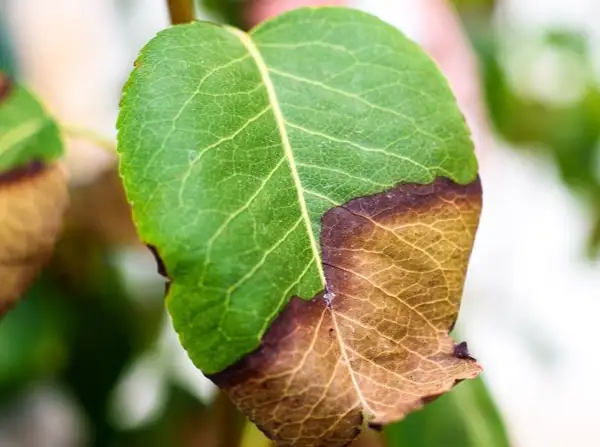
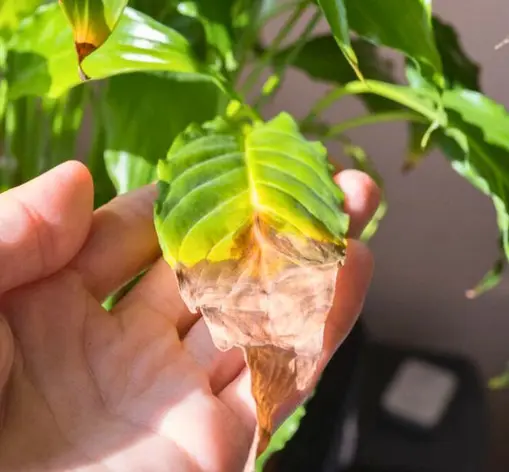
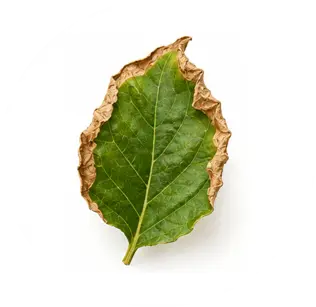
The most characteristic symptom is the progressive drying of the tips of the leaves, which develop a brown, beige or greyish colour. The affected tissue usually becomes dry and brittle and, if the problem continues, the damage can spread from the tip towards the edges and other areas of the leaf.
The main symptoms are:
• Dry, brown leaf tips.
• Beige or greyish colouring at the ends of the leaves.
• Dry, brittle and crumbly tissue in the affected areas.
• Drying that begins at the tip and may spread towards the edges.
• Dry or brown leaf margins when the problem spreads.
• A brown or dry outline around the leaf in some cases.
• Dry areas that progressively increase in size.
• Leaves that may eventually become completely dry when the problem is severe.
• Loss of plant vigour when a large proportion of the leaves are affected.
Do not confuse it with potassium deficiency
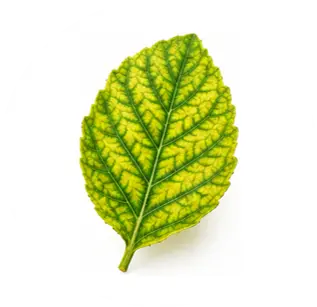
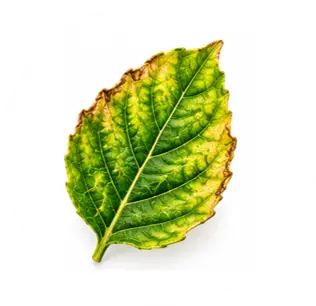
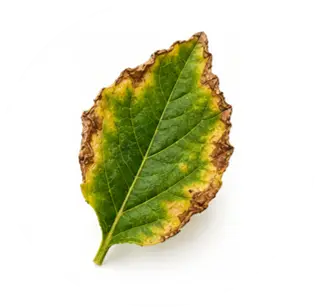
When there is a potassium deficiency, yellowing and deterioration usually begin along the edges of older leaves and progress towards the inside. The leaves may first show changes in colour before completely dry or necrotic areas appear.
Do not confuse it with fungal or bacterial diseases
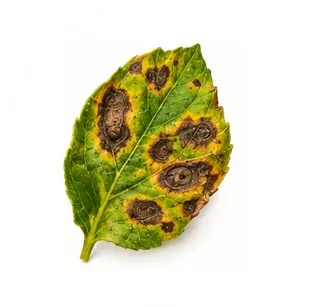
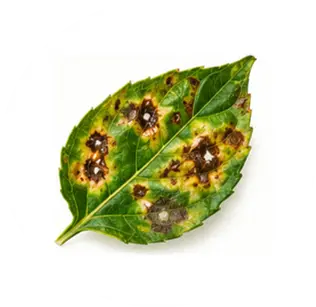
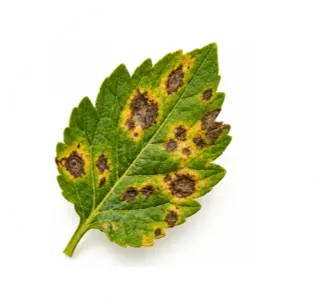
Diseases caused by fungi or bacteria usually produce more clearly defined, circular or irregular lesions, which may have different colours and, in some cases, halos around the affected areas. Dry leaf tips mainly consist of dehydrated, brown and brittle tissue, without the typical appearance of a wet lesion or microbial growth.
Treatments recommended for dry leaf tips
To restore the plant, it is important to correct watering, maintain adequate moisture and encourage new growth under suitable conditions.
The main recommendations and treatments are:
• Monitor growing-medium moisture: using a moisture meter makes it possible to objectively check when the plant needs water and adjust irrigation, avoiding both excessively dry conditions and keeping the growing medium constantly saturated.
• Adjust watering: maintain a watering schedule appropriate for the plant's needs and avoid alternating prolonged periods of dryness with excessively heavy watering.
• Improve drainage: make sure excess water can drain properly from the container or soil to prevent the roots from remaining constantly in saturated growing medium.
• Trim dry tips: parts that are already completely dry will not turn green again. Trimming them improves the plant's appearance and allows new growth to develop under better conditions.
• Appropriate fertiliser: applying a balanced fertiliser helps maintain plant vigour and promotes the formation of new shoots and healthy leaves once moisture conditions have been corrected.
• Moisture meter: this is a particularly useful tool for accurately monitoring watering and preventing the problem from recurring. It allows you to determine when the growing medium needs water without relying solely on the appearance of the plant.
Products for treating dry leaf tips

Other common problems
Discover the most common problems and select the one that interests you.






Explore more tools
Services
Contact
Legal
©2023 by ZERIMAR S.A.R.L. All rights reserved