


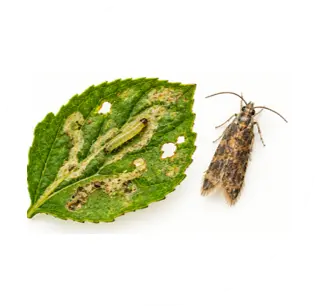
Tuta absoluta on plants: how to identify and control it
How to identify Tuta absoluta and protect tomato plants
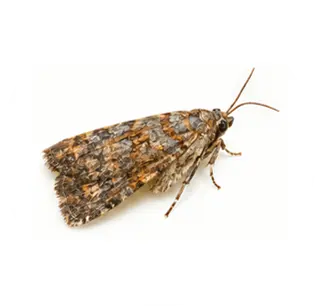
Tuta absoluta is a small moth whose larvae can cause serious damage, especially to tomato plants. The larvae penetrate leaves, stems, and fruits, where they create galleries and feed on the internal tissues. In leaves, these galleries reduce the functional leaf surface and can cause progressive deterioration, while damage to stems and especially fruits can directly affect crop development and harvest quality. Its ability to reproduce and rapidly increase its population makes early detection essential. Recognizing the first galleries and acting as soon as possible helps prevent the pest from progressing and causing significant losses.
How to identify Tuta absoluta
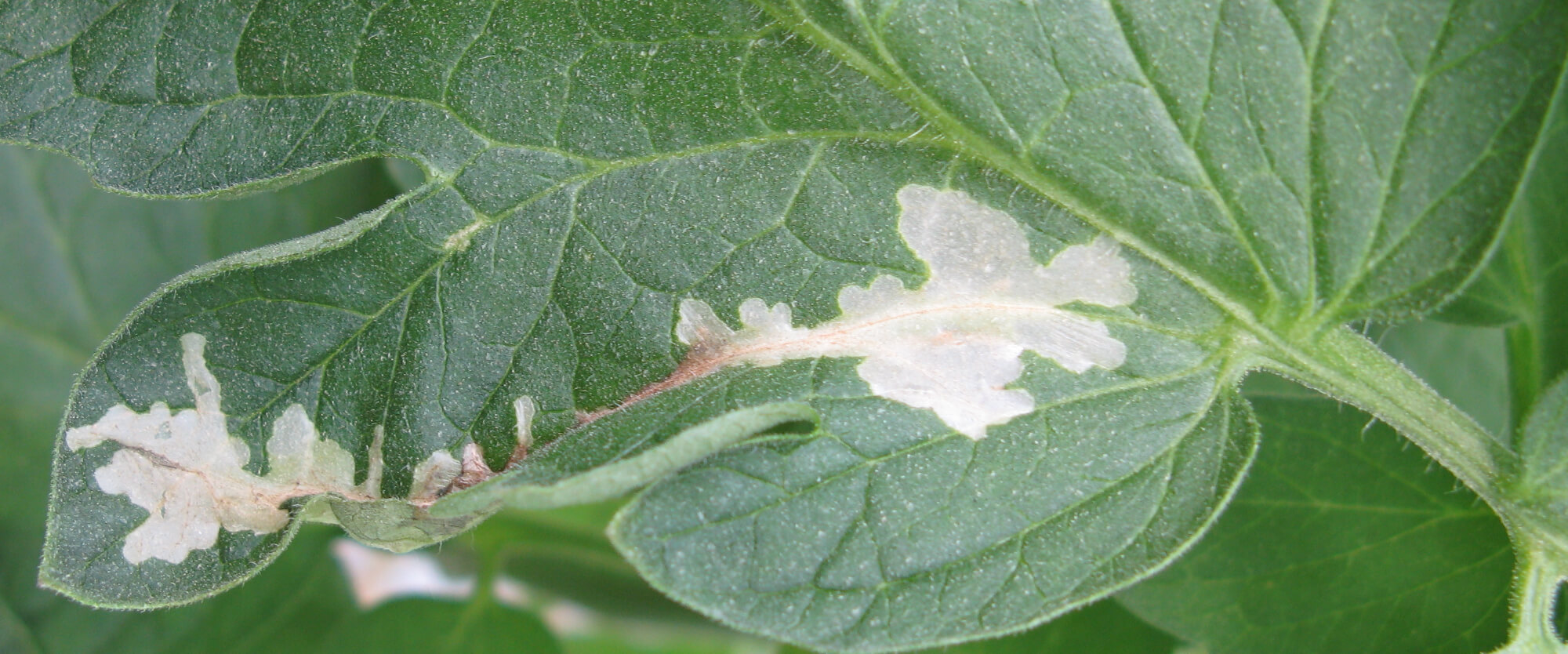
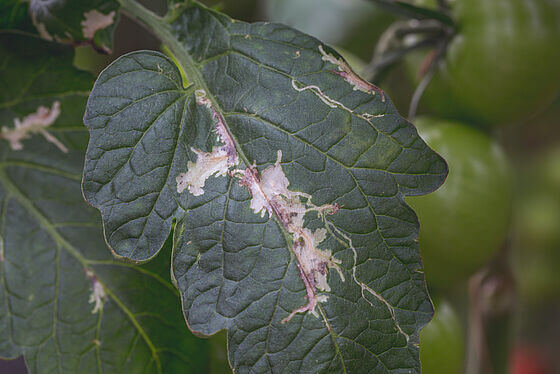
Tuta absoluta is a small moth whose larvae cause the main damage by feeding inside leaves, stems, and fruits, especially in tomato plants. The larvae create galleries that can quickly increase in size and destroy large areas of tissue. Small entry holes, damaged areas, and traces of droppings may also be found around affected areas.
The main symptoms are:
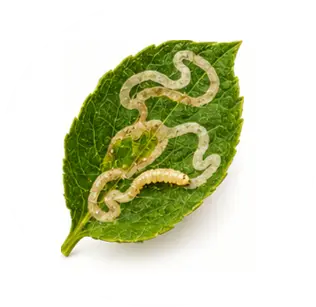
• Irregular galleries inside the leaves.
• Transparent, whitish, or discolored areas around the galleries.
• Galleries that progressively increase in size.
• Large areas of leaves destroyed when the infestation is severe.
• Small amounts of droppings inside the galleries.
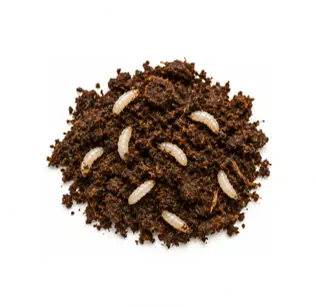
• Small larvae inside the galleries or in other protected areas of the plant.
• Leaves that dry out when the galleries destroy a significant amount of tissue.
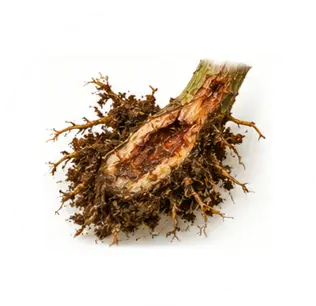
• Small entry holes in the stems.
• Galleries and damaged areas in the stems.
• Fruits with small entry holes.
• Galleries and internal damage in the fruits.
• Sunken or damaged areas around the entry holes.
• Fruits that may eventually rot around the damaged areas.
• Damage especially common on tomato plants.
Do not confuse with other leaf miners
Other leaf miners also create galleries inside leaves, but Tuta absoluta can produce wider and more destructive galleries. In addition, its larvae can also attack stems and fruits, which is not usually the case with many other leaf miners.
Do not confuse with external-feeding caterpillars
Caterpillars that feed on the surface of leaves leave feeding marks, holes, and irregularly cut edges. Tuta absoluta larvae, on the other hand, remain protected inside the plant tissues and create galleries inside leaves, stems, or fruits.
Recommended treatments for Tuta absoluta
Tuta absoluta is a moth whose larvae penetrate leaves, young shoots, and fruits and develop inside the plant tissues, where they create galleries and damage that can progress quickly. Therefore, it is important to detect adults from the beginning and act against the larvae before the infestation spreads.
The main recommendations and treatments are:
• Check leaves, young shoots, and fruits: look for galleries, small holes, spots, and signs of larval activity. Detecting the first damage allows treatment before the pest population increases.
• Remove severely affected parts: removing heavily damaged leaves, young shoots, or fruits reduces the number of larvae present and helps limit the spread of the pest.
• Specific traps with an attractant for Tuta absoluta: especially useful for capturing adults and reducing the breeding population. They also allow the presence of the pest to be detected quickly and help maintain continuous pressure on adult moths. They are an excellent complement to insecticide treatments and can help prevent new generations.
• Insecticide for moths: when larvae and visible damage are already present in the crop, insecticide treatment can act directly on the susceptible stages exposed to the product and reduce the existing infestation. It is especially important to intervene when new damage appears and the population begins to increase.
• Combine traps and insecticide: traps provide continuous action against adults and help detect new increases in the population, while insecticides help control the infestation already present on the plant. Combining both methods helps maintain the pest under control and reduce the risk of new generations.
Products for treating Tuta absoluta

Other common problems
Discover the most common problems and select the one that interests you.




Explore more tools
Services
Contact
Legal
©2023 by ZERIMAR S.A.R.L. All rights reserved