


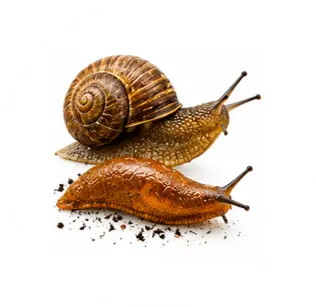
Products and treatments to eliminate snails and slugs from plants
How to identify, treat and prevent snails and slugs on plants
Snails and slugs are a common pest in gardens, vegetable gardens and cultivated plants. They mainly feed on leaves and young shoots and can cause significant damage in a short time, especially when there is high humidity. Detecting them early helps prevent them from continuing to damage the plant.
How to identify snails and slugs on plants?
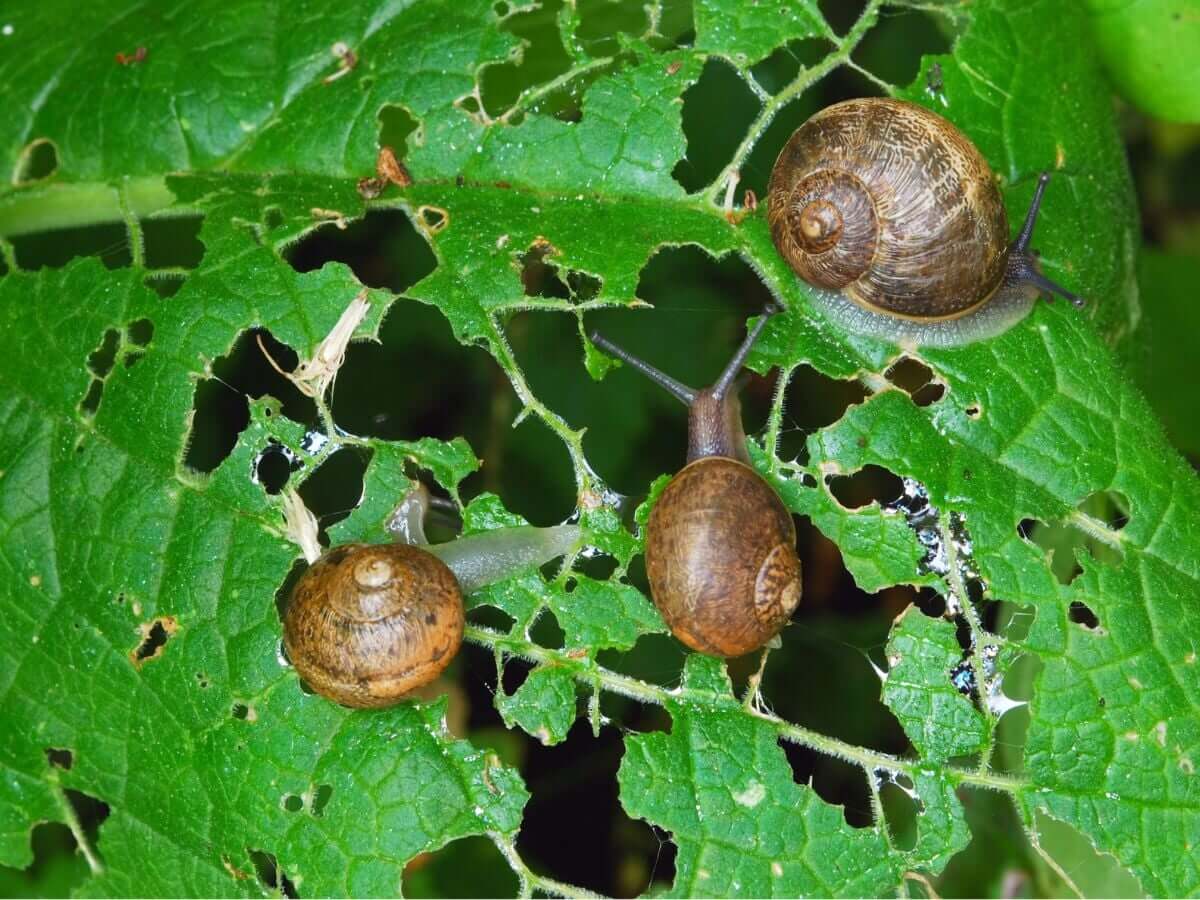
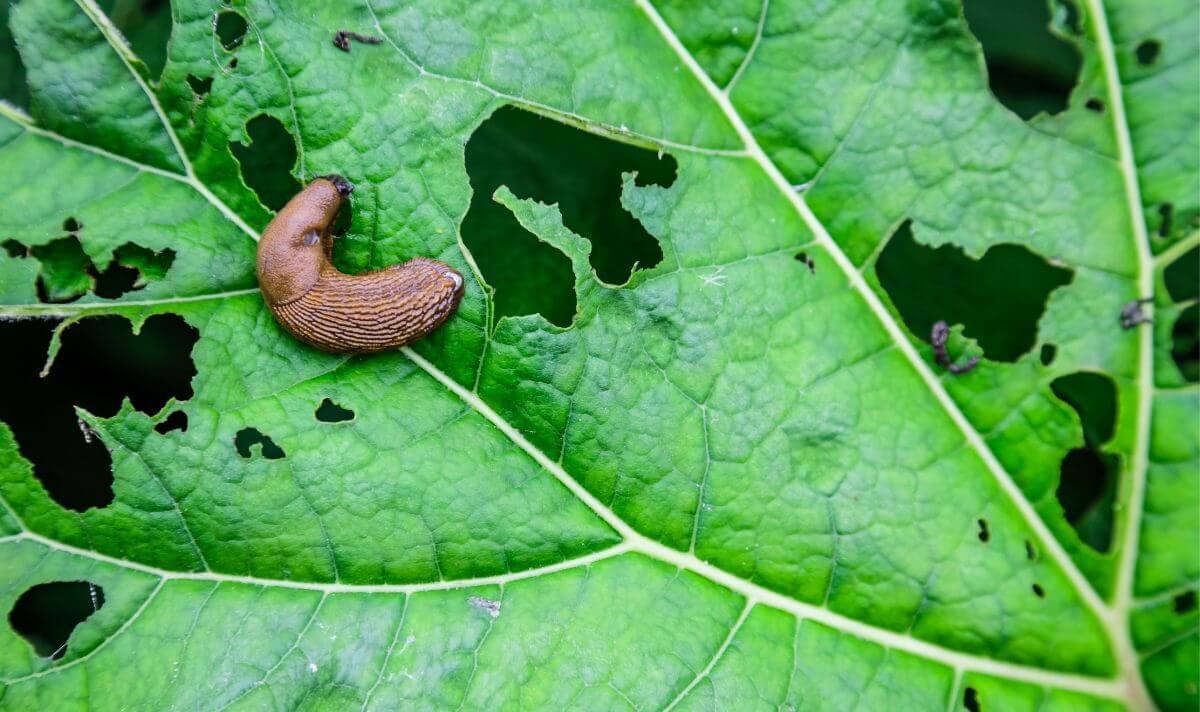
Snails and slugs usually feed on leaves, young shoots and fruits, leaving holes and irregularly eaten areas. They are usually more active at night, after watering or when there is high humidity, so they are often not found on the plant when the first damage appears. One of the easiest signs to recognize is the shiny slime trail they leave as they move.
The main symptoms are:
• Irregular holes in the leaves.
• Leaves that are partially eaten or have large damaged areas.
• Young shoots that are bitten or completely consumed.
• Damage and bite marks on fruits that are close to the ground.
• Shiny slime trails on leaves, soil, pots or stems.
• Presence of snails or slugs, especially at night, after watering or following periods of rain.
• Damage that mainly appears in humid, shady and sheltered areas.
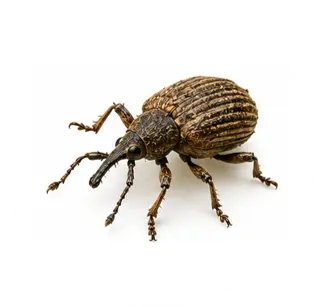
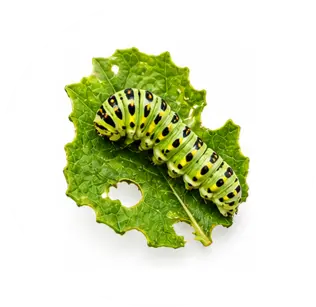
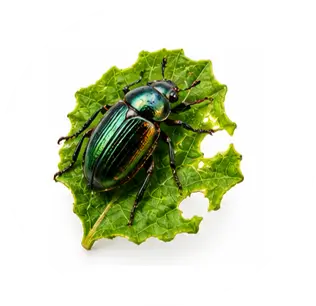
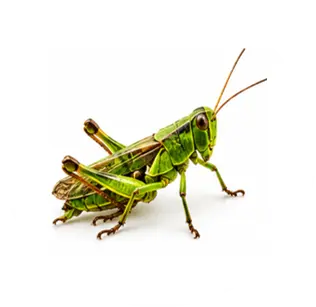
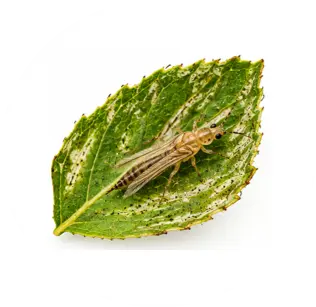
Do not confuse with caterpillars, worms, grasshoppers or beetles.
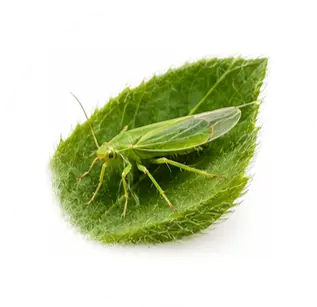
Caterpillars, grasshoppers and beetles can also leave holes and eaten areas on leaves. The main difference is that snails and slugs leave a shiny slime trail on the surfaces they move across. They also tend to cause more damage at night or when there is high humidity.
Caterpillars, grasshoppers and beetles do not leave this slime trail, so finding holes in the leaves together with shiny slime marks is a very characteristic sign of snails or slugs.
Treatments to eliminate snails and slugs from plants
To control snails and slugs, it is important to act on their population and reduce the places where they can shelter. They are especially active in humid environments and during the night, so combining the removal of individuals with traps and a specific product allows for more effective control. When their presence is high, molluscicide is the most direct solution for rapidly reducing the population.
The main recommendations and treatments are:
• Manual removal: allows visible individuals to be removed quickly and is especially useful as a support measure when the population is still low. It is advisable to inspect the plant and its surroundings at dusk or early in the morning, when they are more active.
• Reduce humid hiding places: removing accumulated leaves, plant debris and other places where they can hide during the day reduces their shelter areas and makes it more difficult for them to settle again around the plant.
• Snail and slug traps: allow the population around the plants to be attracted, captured and continuously reduced. They are a practical solution for keeping the pest under control and protecting crops.
• Molluscicide: is the recommended solution when there is a high presence of snails or slugs and the population needs to be reduced quickly. It acts directly on the pest and helps protect plants from the damage caused by their feeding.
Products for treating slugs and snails

Other common problems
Discover the most common problems and select the one that interests you.



Explore more tools
Services
Contact
Legal
©2023 by ZERIMAR S.A.R.L. All rights reserved