


Grasshoppers on plants: how to identify and control them
How to identify grasshoppers and protect leaves and young shoots
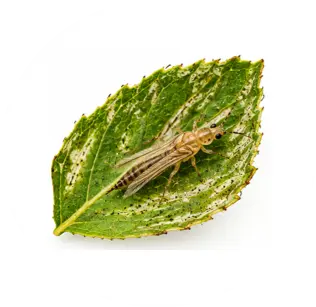
Grasshoppers are herbivorous insects that feed directly on plants and can cause significant damage, especially to leaves, young shoots, and tender stems. By biting and consuming plant tissues, they leave holes, irregular edges, and areas of partially destroyed foliage. When populations are high, they can consume large amounts of plant tissue in a short time and quickly weaken the plant, especially in young crops. Detecting their presence and acting as soon as possible is important to prevent them from continuing to feed and the damage from spreading throughout the plant.
How to identify grasshoppers
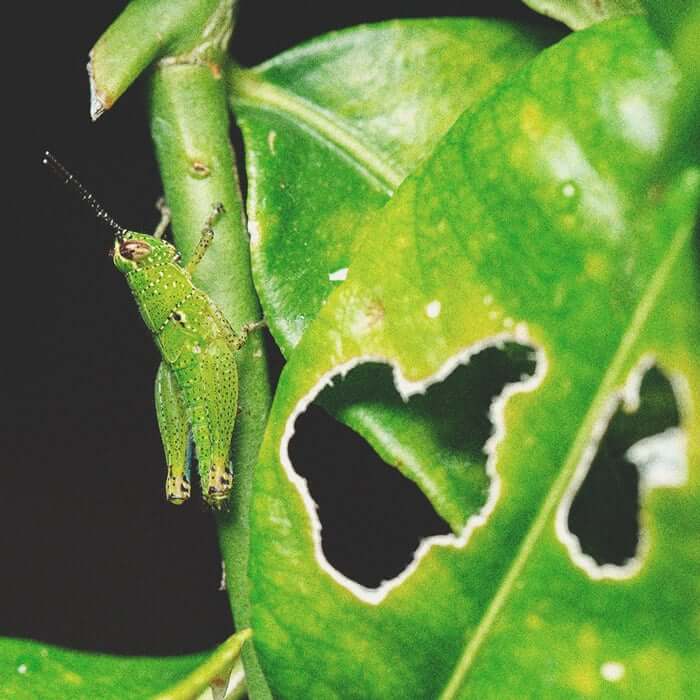
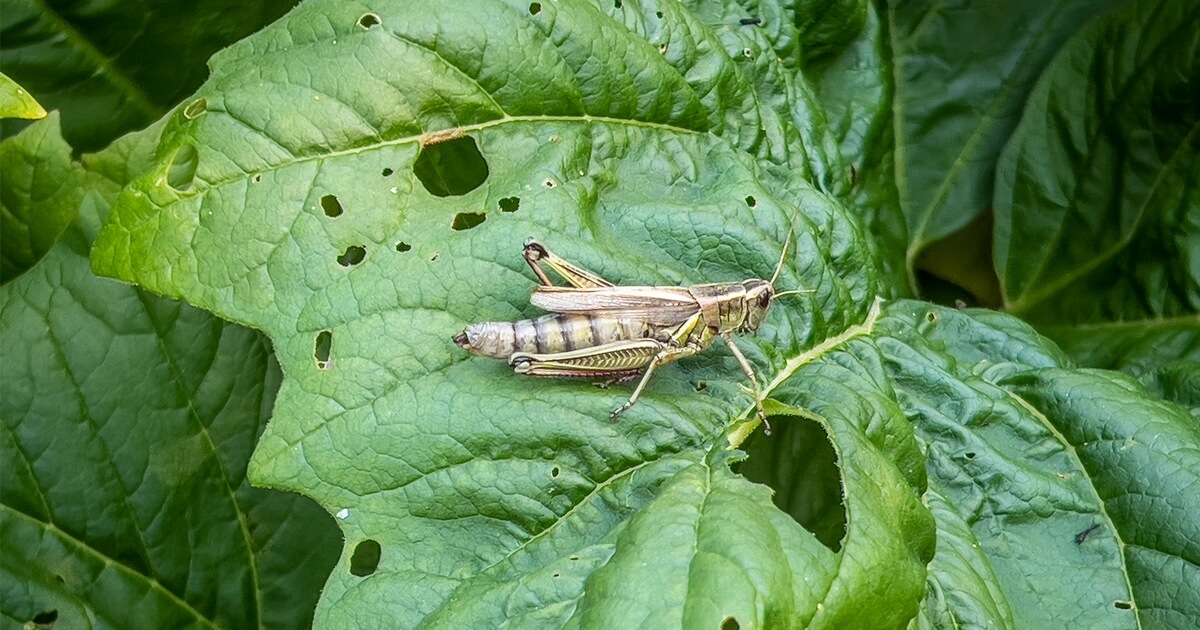
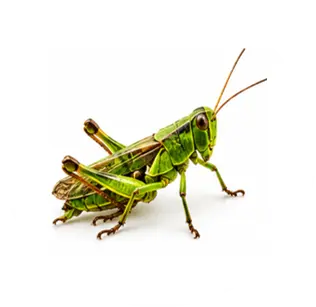
Grasshoppers are insects with elongated bodies and large, strong hind legs that allow them to jump quickly. Depending on the species, they may also have well-developed wings. They are usually found on leaves and, when disturbed, they quickly jump away and may travel some distance. The damage is mainly caused by feeding on plant tissues.
The main symptoms are:
• Leaves with holes of different sizes.
• Leaf edges that are bitten or irregularly cut.
• Partially eaten leaves.
• Large areas of leaves that have been completely eaten.
• Irregular holes distributed across the leaf surface.
• Leaves with a cut or worn appearance.
• Young shoots that have been bitten or damaged in some species.
• Flowers with parts eaten or damaged in some cases.
• Progressive loss of leaf surface as the attack continues.
• Leaves where only the main veins may remain when the attack is severe.
• Grasshoppers present on leaves, stems, or around the plant.
• Grasshoppers that quickly jump away when the plant is approached or touched.
• Plant weakening when leaf loss is significant.
Do not confuse with snails and slugs
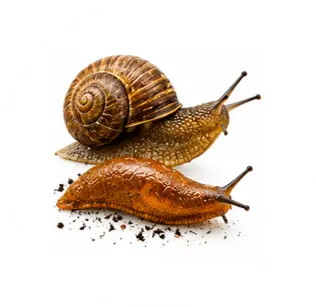
Snails and slugs can also cause holes and feeding damage on leaves, but they usually leave slime trails on the plant or soil. They are also more active at night or when there is high humidity. Grasshoppers, on the other hand, are usually visible during the day.
Recommended treatments for grasshoppers
Grasshoppers can cause significant damage by feeding directly on leaves, young shoots, and other tender parts of the plant. To control the pest, it is important to reduce the insects already present and, at the same time, prevent new individuals from entering the crop.
The main recommendations and treatments are:
• Check leaves and young shoots: regularly inspecting the plant helps detect feeding damage, holes, and grasshopper presence quickly, before the damage increases.
• Remove visible grasshoppers: manually removing individuals found on the plants helps quickly reduce the population and feeding damage.
• Keep the growing area clean: removing weeds and plant debris around the plants reduces hiding places where grasshoppers can remain.
• Protective nets: create a physical barrier that prevents new grasshoppers from accessing the crop. They are especially useful for protecting plants during periods of high pest activity and preventing new individuals from entering.
• Systemic or translaminar insecticide: a solution for controlling grasshoppers when pest pressure is high and damage continues. It acts on insects feeding on the plant and helps reduce the population.
Products for treating grasshoppers

Other common problems
Discover the most common problems and select the one that interests you.



Explore more tools
Services
Contact
Legal
©2023 by ZERIMAR S.A.R.L. All rights reserved