


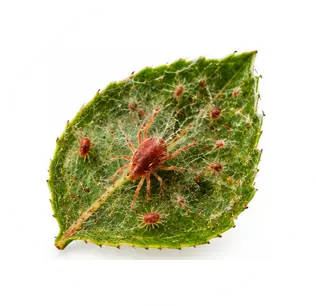
Products and treatments to eliminate mites from plants
How to recognize, treat and eliminate mites from plants
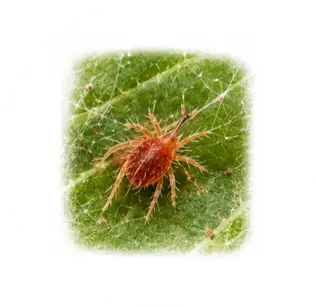
Mites are small organisms that can appear on many plants and cause damage that increases if the infestation is not controlled. They mainly affect the leaves, causing changes in color, spots and an increasingly weakened appearance. Detecting them early makes them much easier to control and allows gentler treatments to be used.
How to recognize mites on plants?
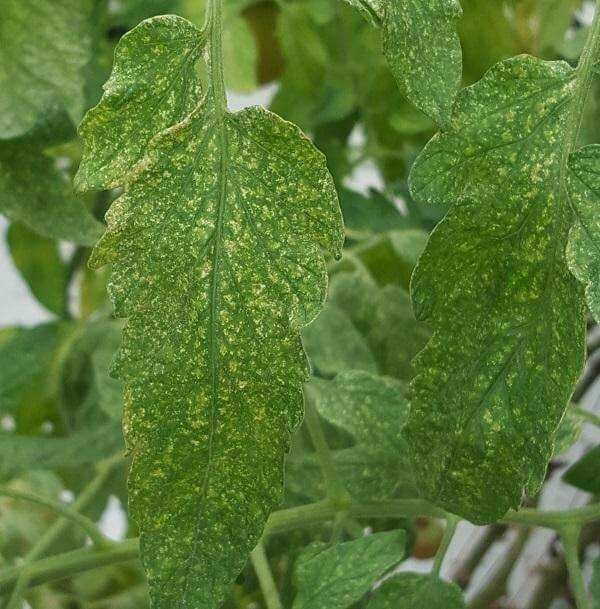
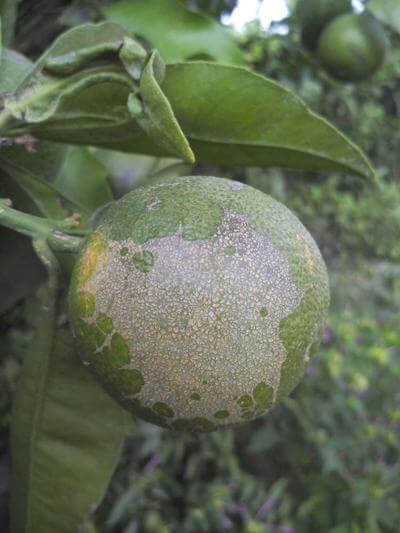
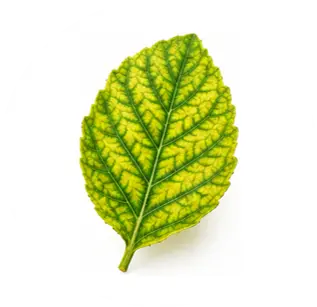
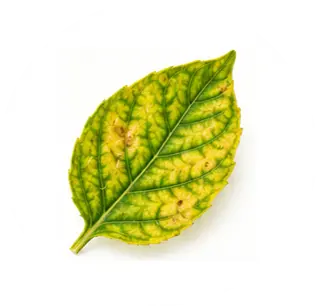
Mite damage usually appears first on the leaves. The plant may develop small spots, loss of color and a dull appearance. As the problem progresses, the leaves may dry out and, in some cases, small webs may appear around the affected areas.
The main symptoms are:
• Small dots or light-colored spots on the leaves.
• Leaves with a dull or slightly bronzed appearance.
• Progressive loss of green color.
• Leaves that dry out and eventually fall.
• Slower growth or general weakening of the plant.
• Presence of small webs, especially when the infestation is advanced.
Do not confuse with thrips, fungi or nutritional deficiencies
Mite damage can resemble damage caused by thrips, some diseases and certain nutritional deficiencies. An important difference is that mites tend to produce a large number of small dots or discolored areas on the leaves and, when the infestation is significant, fine webs may appear. Thrips also tend to leave silvery areas and small scattered dark spots, while nutritional deficiencies usually affect the plant more uniformly and not just isolated leaves.
Treatments to eliminate mites from plants
Treatment depends on the severity of the problem. When the first symptoms have just appeared, it may be enough to use gentle products such as potassium soap or neem and monitor the plant. If the presence of mites is more evident and the damage is significant, it is usually necessary to use a specific acaricide. There are also biological control options using predatory mites, which are especially useful for reducing populations at the beginning of the infestation.
The main treatments are:
• Potassium soap and neem oil: an option for acting during the early stages of the problem and as maintenance.
• Predatory mites: a biological control alternative to reduce the mite population when the infestation is not very advanced.
• Acaricide: recommended when symptoms are very visible, the infestation is more advanced or when it is a recurring problem.
Products for treating mites

Other common problems
Discover the most common problems and select the one that interests you.




Explore more tools
Services
Contact
Legal
©2023 by ZERIMAR S.A.R.L. All rights reserved