

Bacteriosis
Crown Gall
Agrobacterium Tumefaciens
Pathogen:
Bacterium
Type:
Risk to the plant:
HIGH

DESCRIPTION
WHO CAUSES IT?
Agrobacterium tumefaciens is a gram-negative bacteria found in soil and is known to cause crown gall disease in various plants, including cherry. The bacteria has the ability to transfer part of its DNA to the host plant through a plasmid known as the Ti (tumor-inducing) plasmid. This transferred DNA is integrated into the plant's genome, causing the production of plant hormones that induce the formation of galls, or tumors, in the crown and root area. The bacteria persist in the soil, entering the plant through wounds caused by agricultural practices, insects, or mechanical damage. Once inside, the bacteria multiply and colonize the plant tissue, continuing the cycle by releasing new bacteria into the soil as the galls age and disintegrate. The ability of A. tumefaciens to cause tumors depends on the presence of specific genes on the Ti plasmid, which are essential for DNA transfer and disease induction.
SYMPTOMS
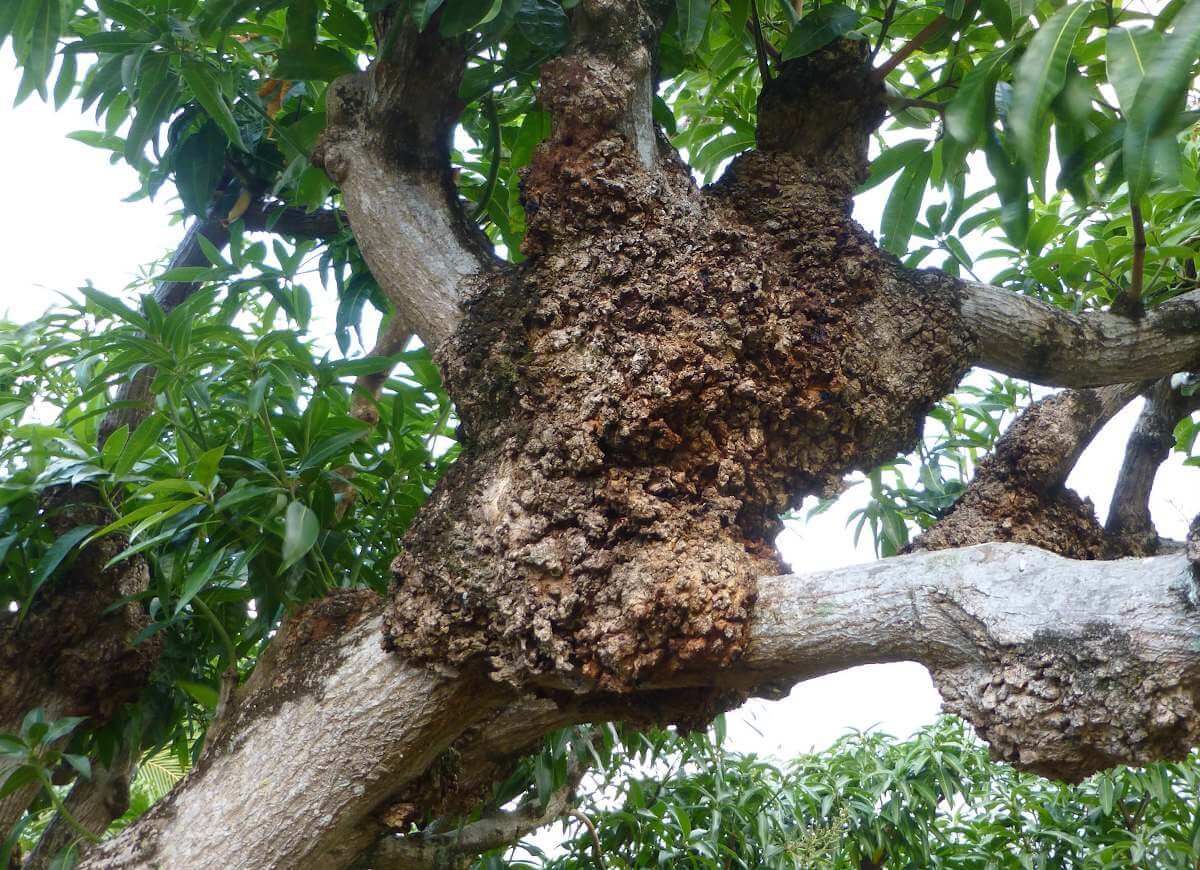
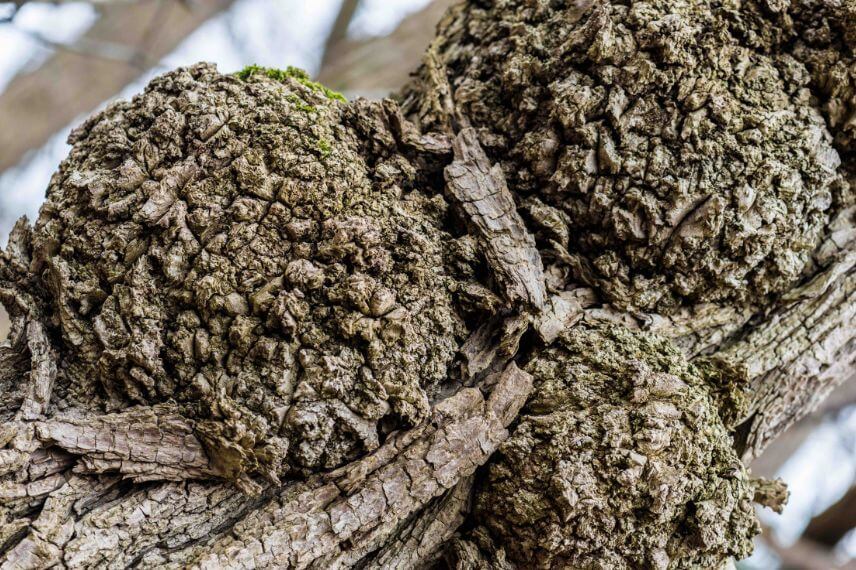
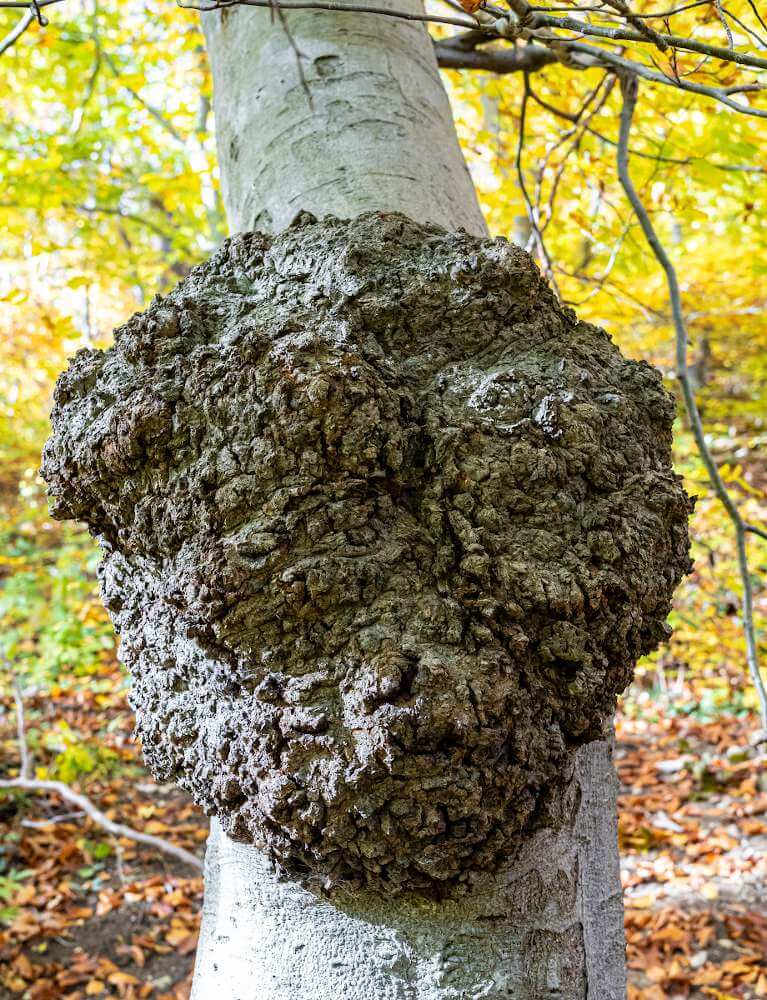
Crown gall in the cherry tree is a disease that affects the health and productivity of the tree, causing the formation of tumors in the crown and root area. These tumors interfere with the flow of nutrients and water, weakening the tree and making it more susceptible to other pathogens and adverse environmental conditions.
- Rounded or irregular tumors in the crown and root area.
- Galls initially small and smooth, becoming large and rough over time.
- General weakening of the tree and reduction in vigor.
- Yellowing of the leaves and premature defoliation.
- Delayed growth and reduced fruit production.
- Greater susceptibility to drought and other stress factors.
- Decay and regressive death of the affected branches.


TEMPERATURE AND HUMIDITY
20°C - 28°C
60% - 80%

HOW IS IT SPREAD?
Infected soil, Contaminated irrigation water, Contaminated tools, Infected plant material, Insect vectors, Wind

HOW TO REMOVE IT?
Home remedies
There are no home treatments
Chemical treatments
• CUPRIC HYDROXIDE 13.6% (EXPR. IN CU) + COPPER OXYCHLORIDE 13.6% (EXPR. IN CU) [SC] P/V
• CUPRIC HYDROXIDE 20% (EXPR. IN CU) [WG] P/P
• CUPRIC HYDROXIDE 25% (EXPR. IN CU) [WG] P/P
• CUPRIC HYDROXIDE 30% (EXPR. IN CU) [WG] P/P
• CUPRIC HYDROXIDE 35% (EXPR. IN CU) [WG] P/P
• CUPRIC HYDROXIDE 36% (EXPR. IN CU) [SC] P/V
• CUPRIC HYDROXIDE 40% (EXPR. IN CU) [WG] P/P
• CUPRIC HYDROXIDE 50% (EXPR. IN CU) [WP] P/P
• COPPER OXYCHLORIDE 25% (EXPR. IN CU) [WG] P/P
• COPPER OXYCHLORIDE 30% (EXPR. IN CU) [WP] P/P
• COPPER OXYCHLORIDE 35% (exp. in Cu) [WG] P/P
• COPPER OXYCHLORIDE 35% (EXPR. IN CU) [WG] P/P
• COPPER OXYCHLORIDE 37.5% (EXPR. IN CU) [WG] P/P
• COPPER OXYCHLORIDE 38% (EXPR. IN CU) [SC] P/V
• COPPER OXYCHLORIDE 50% (EXPR. IN CU) [WG] P/P
• COPPER OXYCHLORIDE 50% (EXPR. IN CU) [WP] P/P
• COPPER OXYCHLORIDE 52% (EXPR. IN CU) [SC] P/V
• COPPER OXYCHLORIDE 70% (EXPR. IN CU) [SC] P/V
• COPPER OXYCHLORIDE 70% [SC] P/V
• CUPROUS OXIDE 50% (EXPR. IN CU) [WP] P/P
• CUPROUS OXIDE 75% (EXPR. IN CU) [WG] P/P
• CUPROCALCIC SULFATE 12.4% (EXPR. IN CU) [SC] P/V
• CUPROCALCIC SULFATE 20% (EXPR. IN CU) [WG] P/P
• CUPROCALCIC SULFATE 20% (EXPR. IN CU) [WP] P/P
• CUPROCALCIC SULFATE 20% (EXPR. IN CU) [WG] P/P
• CUPROCALCIC SULFATE 20% [WP] P/P
• TRIBASIC COPPER SULFATE 40% (EXPR. IN CU) [WG] P/P
Authorized treatments in organic farming
• CUPRIC HYDROXIDE 13.6% (EXPR. IN CU) + COPPER OXYCHLORIDE 13.6% (EXPR. IN CU) [SC] P/V
• CUPRIC HYDROXIDE 20% (EXPR. IN CU) [WG] P/P
• CUPRIC HYDROXIDE 25% (EXPR. IN CU) [WG] P/P
• CUPRIC HYDROXIDE 30% (EXPR. IN CU) [WG] P/P
• CUPRIC HYDROXIDE 35% (EXPR. IN CU) [WG] P/P
• CUPRIC HYDROXIDE 36% (EXPR. IN CU) [SC] P/V
• CUPRIC HYDROXIDE 40% (EXPR. IN CU) [WG] P/P
• CUPRIC HYDROXIDE 50% (EXPR. IN CU) [WP] P/P
• COPPER OXYCHLORIDE 25% (EXPR. IN CU) [WG] P/P
• COPPER OXYCHLORIDE 30% (EXPR. IN CU) [WP] P/P
• COPPER OXYCHLORIDE 35% (exp. in Cu) [WG] P/P
• COPPER OXYCHLORIDE 35% (EXPR. IN CU) [WG] P/P
• COPPER OXYCHLORIDE 37.5% (EXPR. IN CU) [WG] P/P
• COPPER OXYCHLORIDE 38% (EXPR. IN CU) [SC] P/V
• COPPER OXYCHLORIDE 50% (EXPR. IN CU) [WG] P/P
• COPPER OXYCHLORIDE 50% (EXPR. IN CU) [WP] P/P
• COPPER OXYCHLORIDE 52% (EXPR. IN CU) [SC] P/V
• COPPER OXYCHLORIDE 70% (EXPR. IN CU) [SC] P/V
• COPPER OXYCHLORIDE 70% [SC] P/V
• CUPROUS OXIDE 50% (EXPR. IN CU) [WP] P/P
• CUPROUS OXIDE 75% (EXPR. IN CU) [WG] P/P
• CUPROCALCIC SULFATE 12.4% (EXPR. IN CU) [SC] P/V
• CUPROCALCIC SULFATE 20% (EXPR. IN CU) [WG] P/P
• CUPROCALCIC SULFATE 20% (EXPR. IN CU) [WP] P/P
• CUPROCALCIC SULFATE 20% (EXPR. IN CU) [WG] P/P
• CUPROCALCIC SULFATE 20% [WP] P/P
• TRIBASIC COPPER SULFATE 40% (EXPR. IN CU) [WG] P/P
Insect allies
PREDATORY MITES
LADYBUGS
LACEWINGS
PARASITIC WASPS
HOVERFLIES OR PARASITIC FLIES
PREDATORY BUGS
There are no natural allies
Mycodiplosis oidii (predatory mosquito)
EFFECTIVE PRODUCTS TO ELIMINATE THIS DISEASE
Sponsored link
Sponsored link


Sponsored link
Sponsored link
Sponsored link


Sponsored link
Sponsored link
Effective against all types of fungi

Sponsored link


Sponsored link
Sponsored link

Sponsored link


Sponsored link
- Use seedlings free of the bacteria to establish new crops.
- Avoid injuries to plants during transplanting and cultivation, since wounds are entry points for bacteria.
- Practice good hygiene of agricultural tools, disinfecting them regularly to prevent the spread of the pathogen.
- Implement crop rotations and avoid planting cherry trees in soils where the presence of A. tumefaciens has been detected.
- Apply bactericides and biological products containing antagonistic bacterial strains to reduce the population of A. tumefaciens in the soil.
- Promote good soil drainage to avoid conditions that favor bacterial infection.
- Regularly monitor crops for early detection of symptoms and elimination of affected plants.
- Promote plant vigor through adequate fertilization and irrigation, strengthening the natural resistance of cherry trees.
Recommendations

Enjoy idMicrobe TOTALLY FREE, with no trial periods.


