


Polillas
False codling moth: what it is, how it originates, and how to eliminate it effectively
False Codling Moth
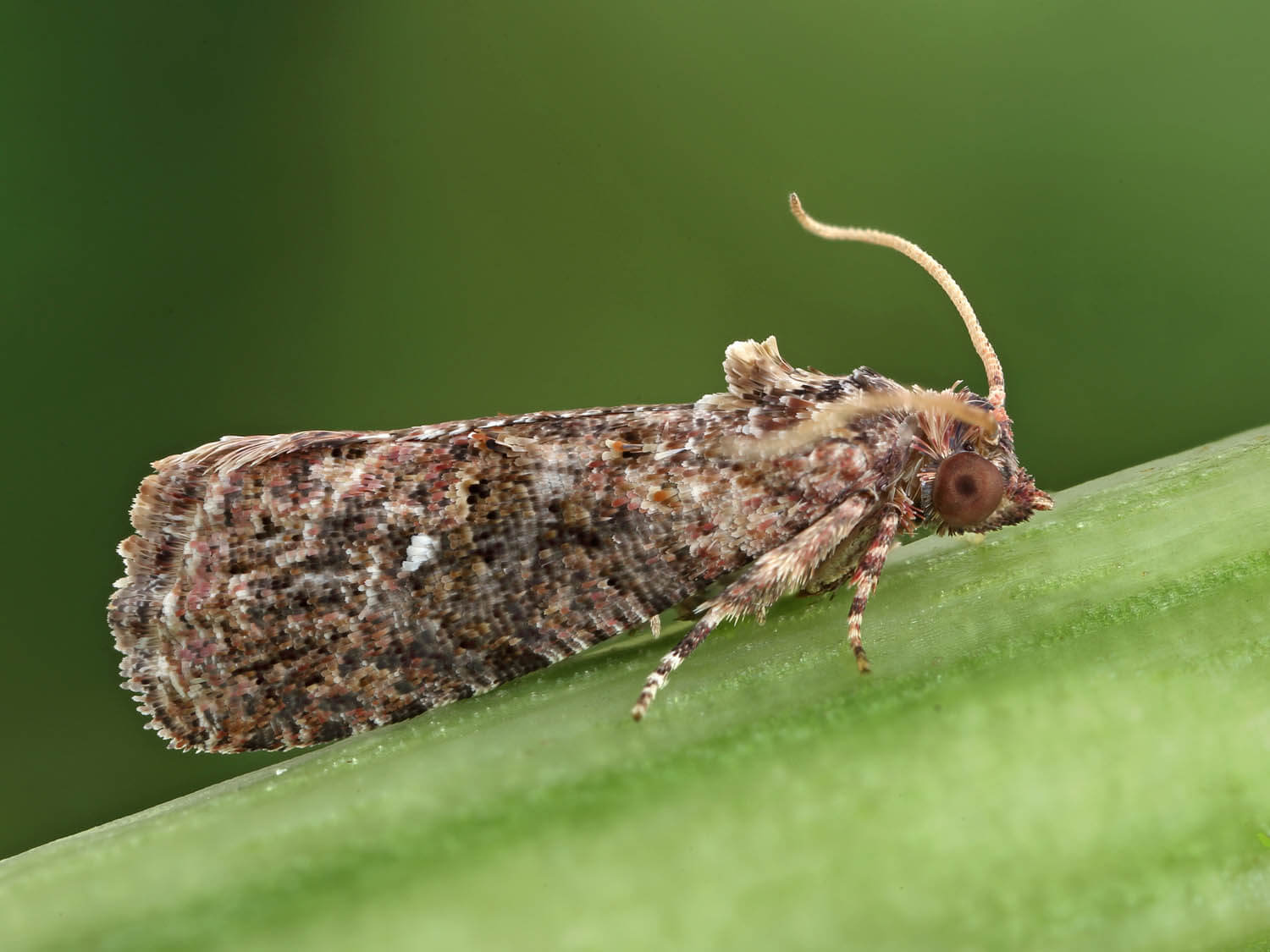
Thaumatotibia Leucotreta
Pathogen:
Insect
Type:
Risk to the plant:
CRITICAL (Quarantine Agency)


DESCRIPTION
WHO CAUSES IT?
Thaumatotibia leucotreta, commonly known as false codling moth, is a pest that affects a wide variety of fruit trees in different regions of the world. It is a moth whose larvae feed on fruits, causing significant damage to their quality and yield. False codling moth is a significant threat to the fruit industry due to its ability to damage multiple crops, including apples, pears, peaches and plums, among others.
SYMPTOMS
In fruit trees, infestation by false codling moth can cause a series of harmful symptoms. Among the most common signs are the presence of galleries or tunnels in the pulp of the fruits, the appearance of exudate or rot in damaged areas and the premature fall of infected fruits. Additionally, codling moth larvae can introduce secondary pathogens, increasing the risk of postharvest diseases.


TEMPERATURE AND HUMIDITY
20°C - 30°C
60% - 80%

HOW IS IT SPREAD?
Movement of infected plant material, human transport, natural dispersal by moth flight.

HOW TO REMOVE IT?
Home remedies
There are no home treatments
Chemical treatments
• Cryptophlebia leucotreta (Pheromones) (Attractant pheromones of Lepidoptera)
• CYPERMETHRIN 10% [EC] P/V
• TEBUFENOCIDE 24% [SC] P/V
Authorized treatments in organic farming
• Cryptophlebia leucotreta (Pheromones) (Attractant pheromones of Lepidoptera)
Insect allies
PREDATORY MITES
LADYBUGS
LACEWINGS
PARASITIC WASPS
HOVERFLIES OR PARASITIC FLIES
PREDATORY BUGS
There are no natural allies
Mycodiplosis oidii (predatory mosquito)
EFFECTIVE PRODUCTS TO ELIMINATE THIS DISEASE





To prevent and control false codworm infestation in fruit trees, it is recommended to implement a series of integrated pest management practices. This includes regular monitoring of crops for the presence of the pest, the use of pheromone traps to monitor its population, and the application of specific insecticides at key times in the moth's life cycle.
Recommendations



Explore more tools
Services
Contact
Legal
©2023 by ZeriMar Laboratoire. All rights reserved.