


Virus
Tomato mosaic virus (TOMV): what it is, how it originates, and how to eliminate it effectively.
Tomato Mosaic Virus (Tomv)
Virus Tomv
Pathogen:
Virus
Type:
Risk to the plant:
HIGH

DESCRIPTION
WHO CAUSES IT?
Tomato Mosaic Virus (ToMV) is a single-stranded RNA virus that belongs to the Tobamovirus genus. This virus is highly stable and can survive in plant remains, tools and crop structures for long periods, which facilitates its persistence and spread. ToMV infects tomato cells by entering through wounds or natural openings in the plant. Once inside, the virus uses the tomato's cellular machinery to replicate, producing new viral particles that spread to other cells and tissues of the plant. This process of replication and intercellular movement causes the appearance of the characteristic symptoms of the virus. Furthermore, ToMV can be transmitted mechanically through contact with infected plants, aggravating its spread in dense and poorly managed crops.
SYMPTOMS
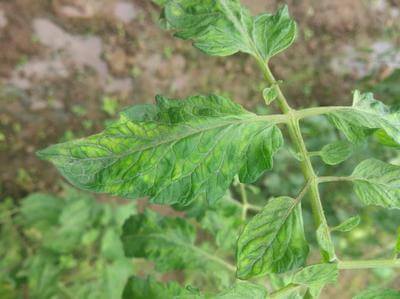
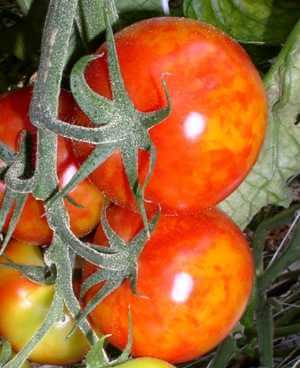
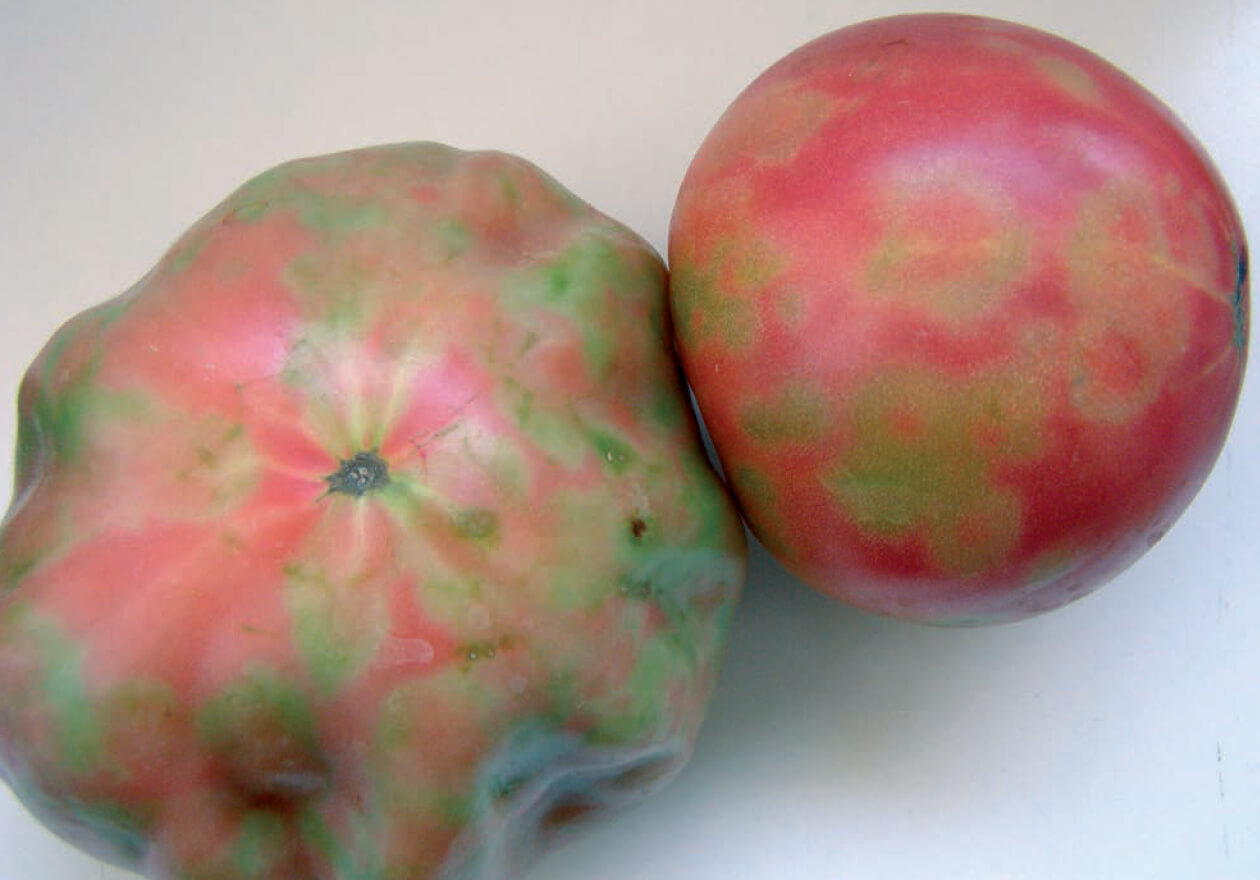
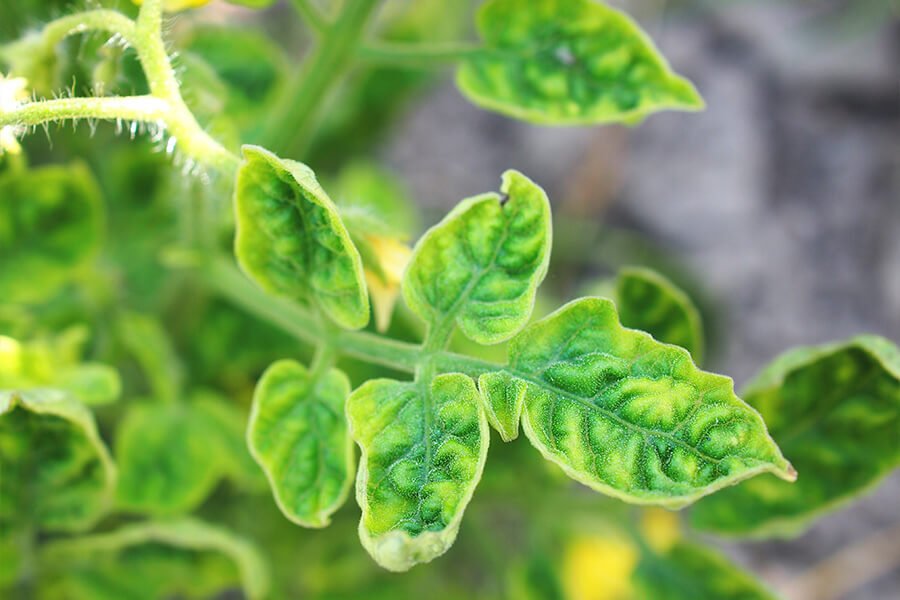
The disease caused by the Tomato Mosaic Virus in tomato manifests itself mainly through a series of symptoms that affect the appearance and productivity of the plant. The leaves have a characteristic mosaic pattern, with areas of light and dark green, as well as deformations and wrinkles. Infection can also affect the size and shape of fruits, significantly reducing crop quality and yield.
- Light and dark green mosaic on the leaves
- Leaf deformations and wrinkles
- Reduction in fruit size
- Taches and deformations on the fruits
- Yellowing of the leaves
- Delay in plant growth
- Decreased crop yield


TEMPERATURE AND HUMIDITY
20-25°C
60-80%

HOW IS IT SPREAD?
Contact with contaminated tools, workers' hands and clothing, infected crop remains, infected seed, water splashes, contact between plants, vector insects

HOW TO REMOVE IT?
Home remedies
There are no home treatments
Chemical treatments
There are no effective treatments against viruses, the treatments are focused on combating the insect or vector carrying the virus (SEE AVAILABLE TREATMENTS AGAINST INSECTS)
Authorized treatments in organic farming
There are no effective treatments against viruses, the treatments are focused on combating the insect or vector carrying the virus (SEE AVAILABLE TREATMENTS AGAINST INSECTS)
Insect allies
PREDATORY MITES
LADYBUGS
LACEWINGS
PARASITIC WASPS
HOVERFLIES OR PARASITIC FLIES
PREDATORY BUGS
There are no natural allies
Mycodiplosis oidii (predatory mosquito)
EFFECTIVE PRODUCTS TO ELIMINATE THIS DISEASE





- Use certified virus-free seeds to avoid the introduction of ToMV into the crop.
- Implement appropriate crop rotations, avoiding planting tomatoes in the same place in consecutive seasons.
- Disinfect tools and work equipment before and after using them in different areas of the crop.
- Control weeds and eliminate remains of infected crops that could serve as a reservoir for the virus.
- Use ToMV-resistant tomato varieties, if available.
- Maintain good hygiene in the field, including washing hands and clothes before handling plants.
- Avoid sprinkler irrigation that can favor the spread of the virus through splashes.
- Carry out regular crop inspections to detect infection symptoms early and eliminate affected plants.
- Implement physical barriers or trap crops to reduce mechanical transmission of the virus.
- Apply biostimulants and fertilizers that strengthen the natural resistance of plants.
Recommendations



Explore more tools
Services
Contact
Legal
©2023 by ZeriMar Laboratoire. All rights reserved.