


Plantas decorativas de jardín y/o interior
How to recognize and combat gray rot in decorative garden and/or indoor plants
Gray Rot
Fungus
Type:
Risk to the plant:
HIGH
Botrytis Cinerea
Pathogen:
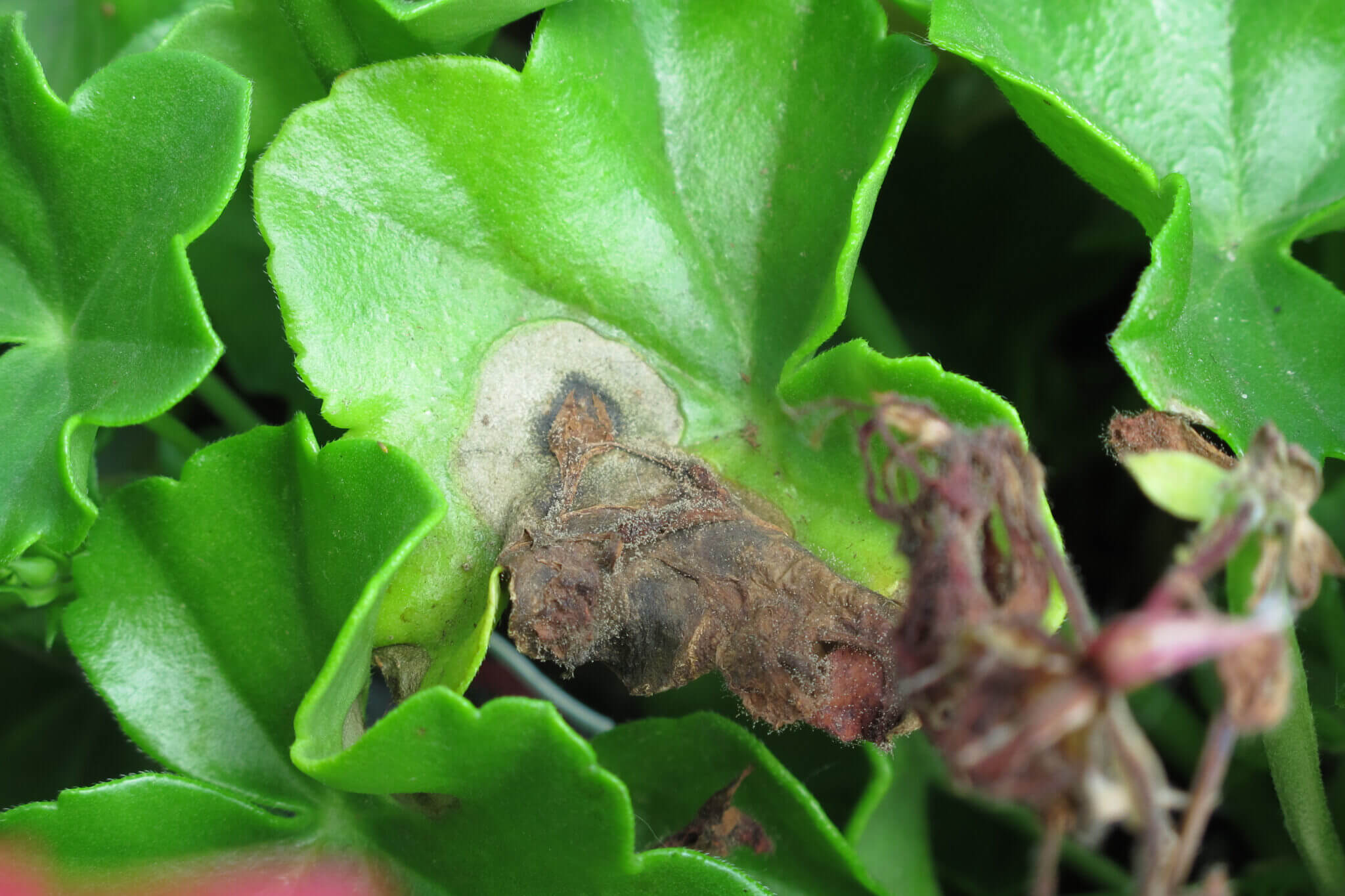
Podredumbre gris


WHO CAUSES IT?
Botrytis cinerea is a necrotrophic fungus that affects a wide variety of plants. The fungus survives in the form of sclerotia and mycelium in plant remains and soil. During favorable conditions, these sclerotia germinate, producing conidia that are dispersed by wind, water, or physical contact. Conidia land on the surfaces of susceptible plants and germinate, invading plant tissues through wounds or natural surfaces. Once inside the plant, the fungus produces enzymes and toxins that break down plant cells, facilitating the absorption of nutrients. Botrytis cinerea can also form sporangia on dead tissues, ensuring continued production and dispersal of spores. Furthermore, in adverse conditions, it can produce resistance structures that allow its survival until conditions improve.
.png)
SYMPTOMS
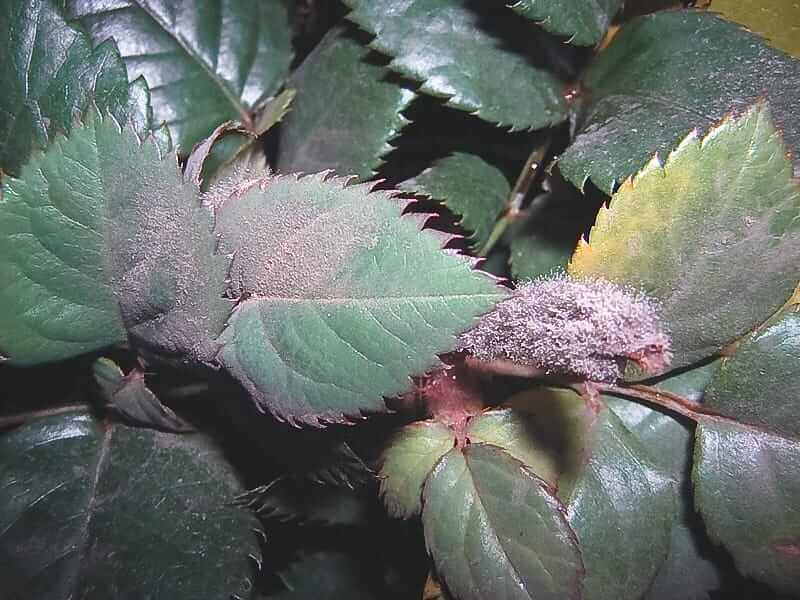
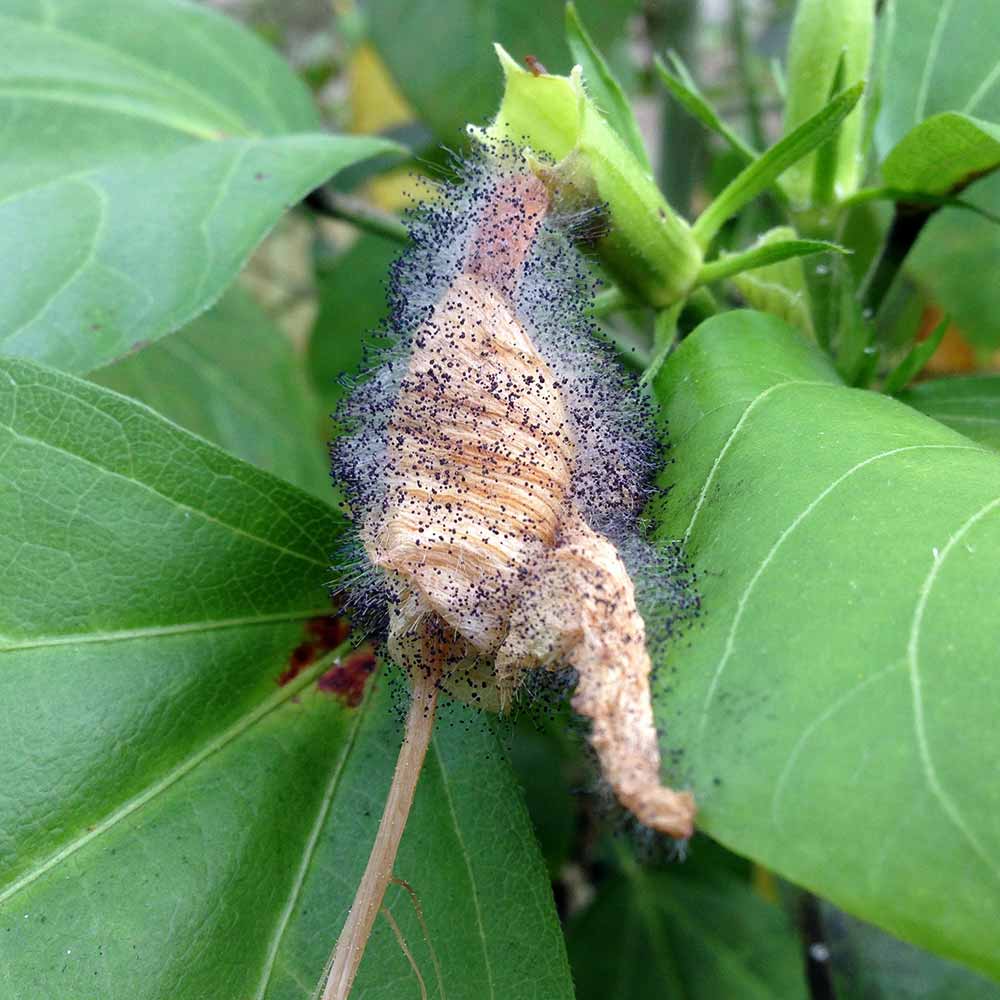
In plants, gray rot caused by Botrytis cinerea manifests itself mainly in conditions of high humidity and moderate temperatures. The disease begins with watery Taches on the leaves, stems, flowers and fruits, which quickly become covered with a characteristic grayish mold. These infected areas become soft and watery, and may collapse and rot completely. The affected tissues also emit an unpleasant odor due to decomposition. Infection can significantly reduce crop quality and yield as it affects both vegetative and reproductive organs.
- Watery Taches on leaves, stems and fruits.
- Gray mold in infected areas.
- Soft and watery tissues.
- Collapse and complete rotting of the affected parts.
- Unpleasant smell in decomposed tissues.
- Reduction in crop quality and yield.


DEVELOPMENT CONDITIONS
Temperature:
15°C - 25°C
Humidity:
85% - 100%

HOW IS IT SPREAD?
Spores carried by wind, water splashes, contaminated tools, infected plant remains, infested plants, direct contact between plants

HOW TO ELIMINATE IT?
Home treatments
There are no home treatments
Natural allies
Chemical treatments
There are no treatments for this disease. Treatments are directed at the insect vectors that transmit it. See insect treatments.
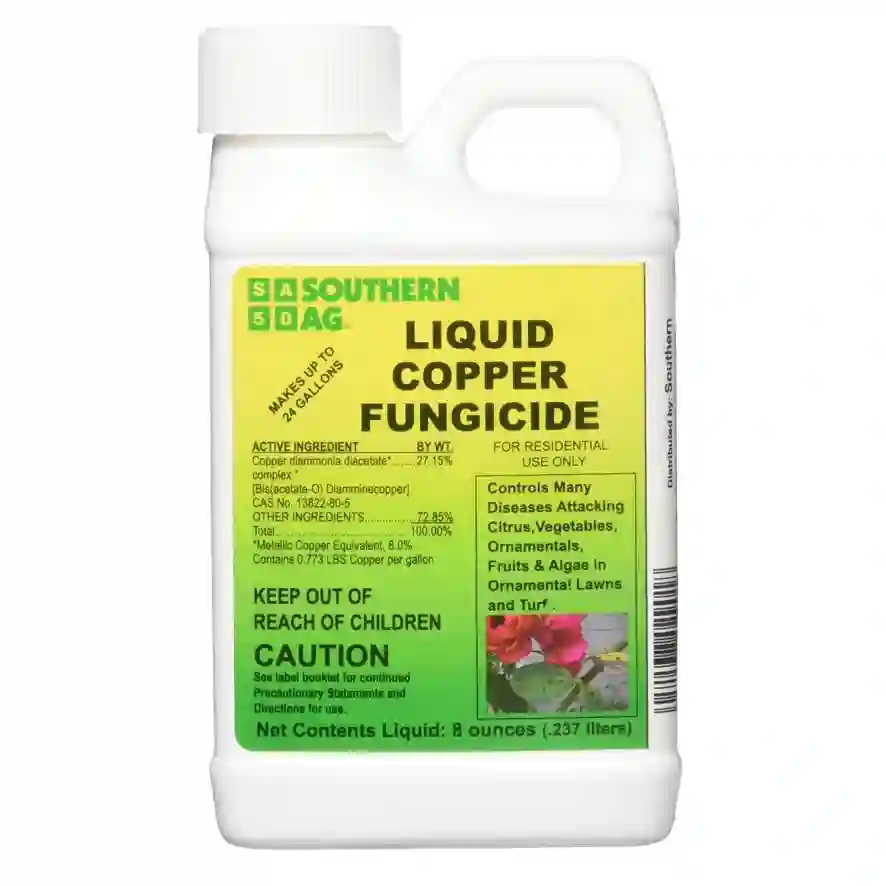
RECOMMENDED PRODUCTS TO ELIMINATE THE PEST



PLANTAS REPELENTES

RECOMMENDATIONS
OTHER PESTS THAT MAY INTEREST YOU


DID YOU LIKE IT?
Now you can always have it on your mobile, without ads and totally FREE. TRY idMicrobe NOW!



Explore more tools
Services
Contact
Legal
©2023 por ZeriMar Laboratoire. Todos los derechos reservados.