

Cerezo
How to recognize and combat gray rot in cherry trees
Gray Rot
Fungus
Type:
Risk to the plant:
HIGH
Botrytis Cinerea
Pathogen:
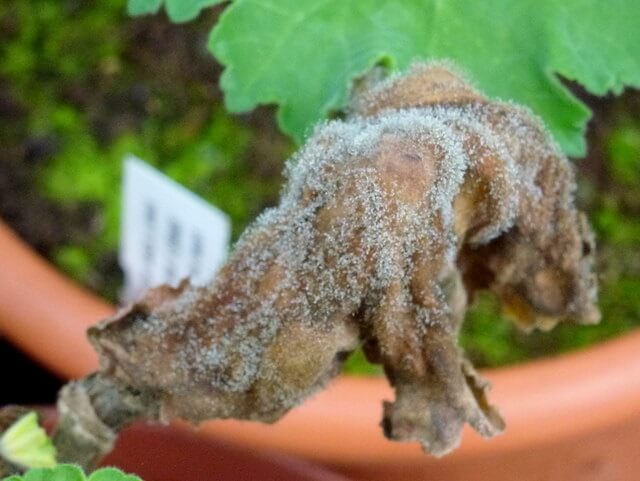
Podredumbre gris


WHO CAUSES IT?
Botrytis cinerea is a necrotrophic fungus that affects a wide variety of plants, including the cherry tree. This pathogen reproduces through conidial spores that are dispersed through the air and water. When the spores find adequate humidity and temperature conditions, they germinate and produce hyphae that penetrate the tissues of the host plant. The infection can start in flowers, fruits, leaves and stems, causing necrosis and cell death. During periods of high humidity, the fungus forms a visible grayish mycelium, which contains asexual reproductive structures called conidiophores. In unfavorable conditions, Botrytis cinerea forms sclerotia, resistance structures that can survive long periods until conditions are again favorable for germination and restarting the cycle. This pathogen is particularly active in spring and autumn, when temperatures and humidity are optimal for its development.
.png)
SYMPTOMS
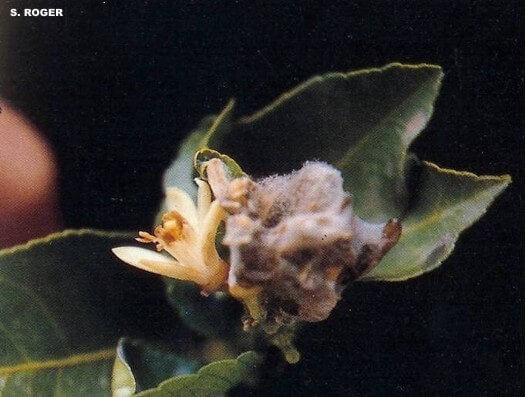
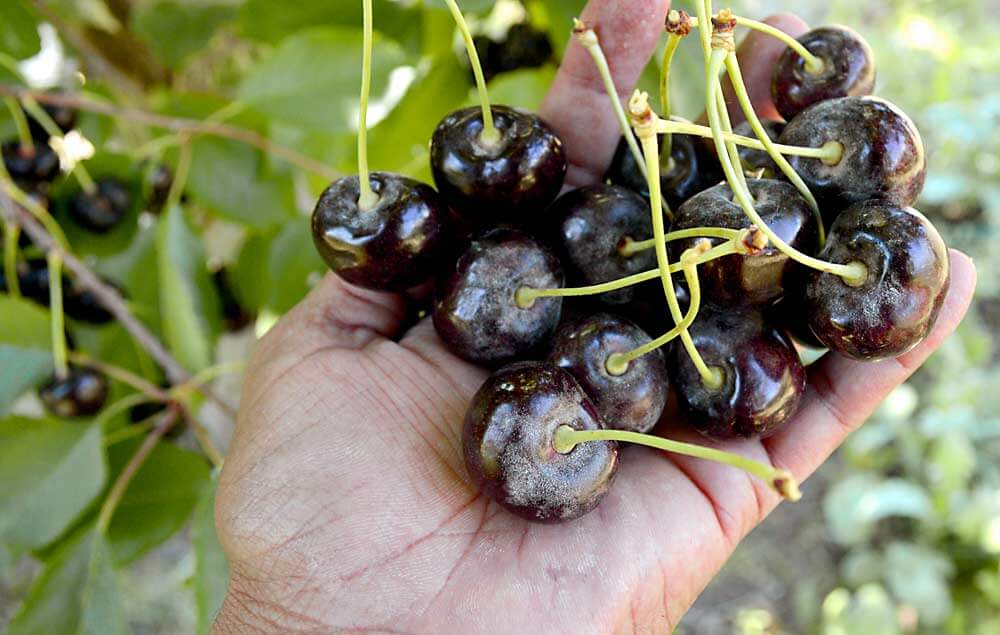
Gray rot caused by Botrytis cinerea in cherry trees initially manifests itself as watery Taches on flowers, leaves and fruits, which quickly become necrotic and covered with a characteristic gray mold. This disease can cause significant losses in fruit production, due to the premature decay and fall of affected flowers and fruits.
- Watery Taches that become necrotic on flowers, leaves and fruits.
- Development of grayish mold on the affected areas.
- Withering and death of flowers and young shoots.
- Premature fall of flowers and fruits.
- Rotten, soft fruits covered in gray spores.
- Loss of turgor in the affected tissues.
- Necrosis in leaves and young stems.


DEVELOPMENT CONDITIONS
Temperature:
15°C - 25°C
Humidity:
90% - 100%

HOW IS IT SPREAD?
Air, Irrigation water, Contaminated tools, Direct contact between plants, Insects, Infected plant material

HOW TO ELIMINATE IT?
Home treatments
There are no home treatments
Natural allies
Chemical treatments
There are no treatments for this disease. Treatments are directed at the insect vectors that transmit it. See insect treatments.
RECOMMENDED PRODUCTS TO ELIMINATE THE PEST
Sponsored link
Sponsored link


Sponsored link
Sponsored link
Sponsored link


Sponsored link
Sponsored link
Effective against all types of fungi

Sponsored link


Sponsored link
Sponsored link

Sponsored link


Sponsored link

PLANTAS REPELENTES

RECOMMENDATIONS
OTHER PESTS THAT MAY INTEREST YOU


DID YOU LIKE IT?
Now you can always have it on your mobile, without ads and totally FREE. TRY idMicrobe NOW!


