

Plantas decorativas de jardín y/o interior
How to recognize and combat anthracnose in decorative garden and/or indoor plants
Anthracnose
Fungus
Type:
Risk to the plant:
HIGH
Colletotrichum Sp.
Pathogen:
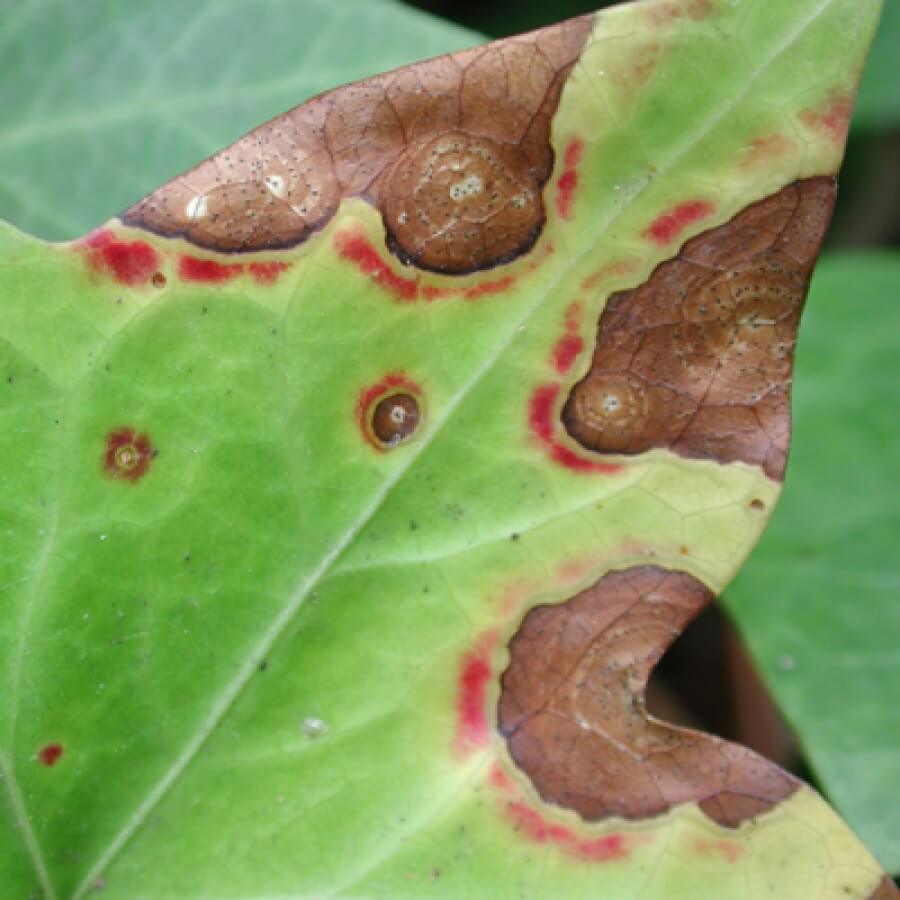
Antracnosis


WHO CAUSES IT?
Colletotrichum sp. It is a genus of phytopathogenic fungi that affects a wide variety of plants. These fungi survive in the remains of infected plants and in the soil as resistant structures called sclerotia or in the form of dormant mycelium. When environmental conditions are favorable, especially in the presence of high humidity and warm temperatures, fungi produce conidia, which are asexual spores. Conidia are dispersed by wind, water and contact with agricultural tools and machinery. Upon reaching a susceptible plant, the conidia germinate and penetrate plant tissues through wounds or natural openings. Once inside the plant, the fungus colonizes the tissue, producing lesions that can expand rapidly, compromising the health and performance of the plant.
.png)
SYMPTOMS
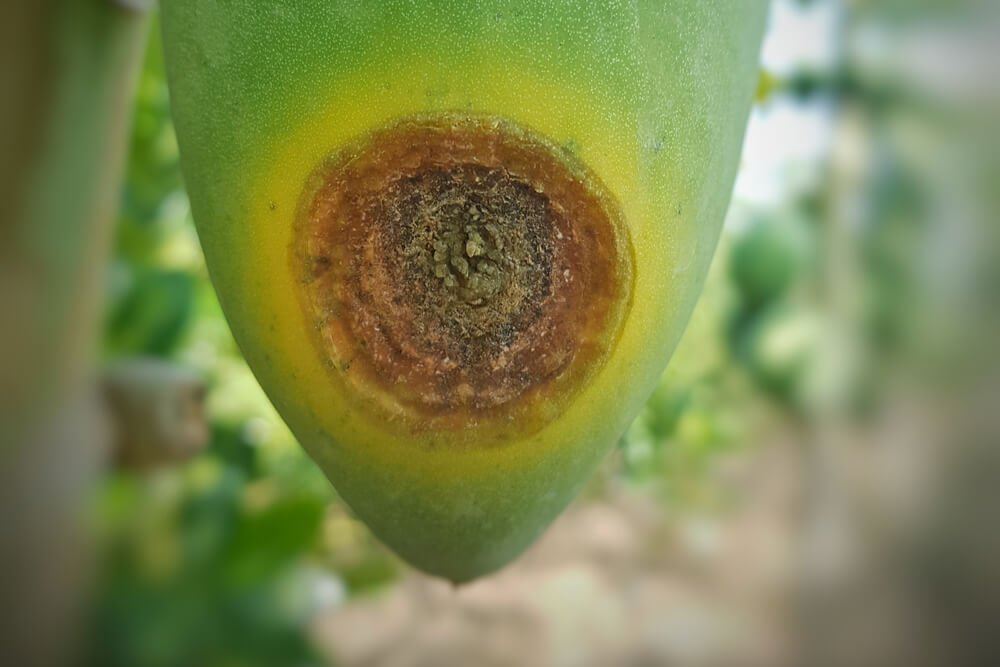
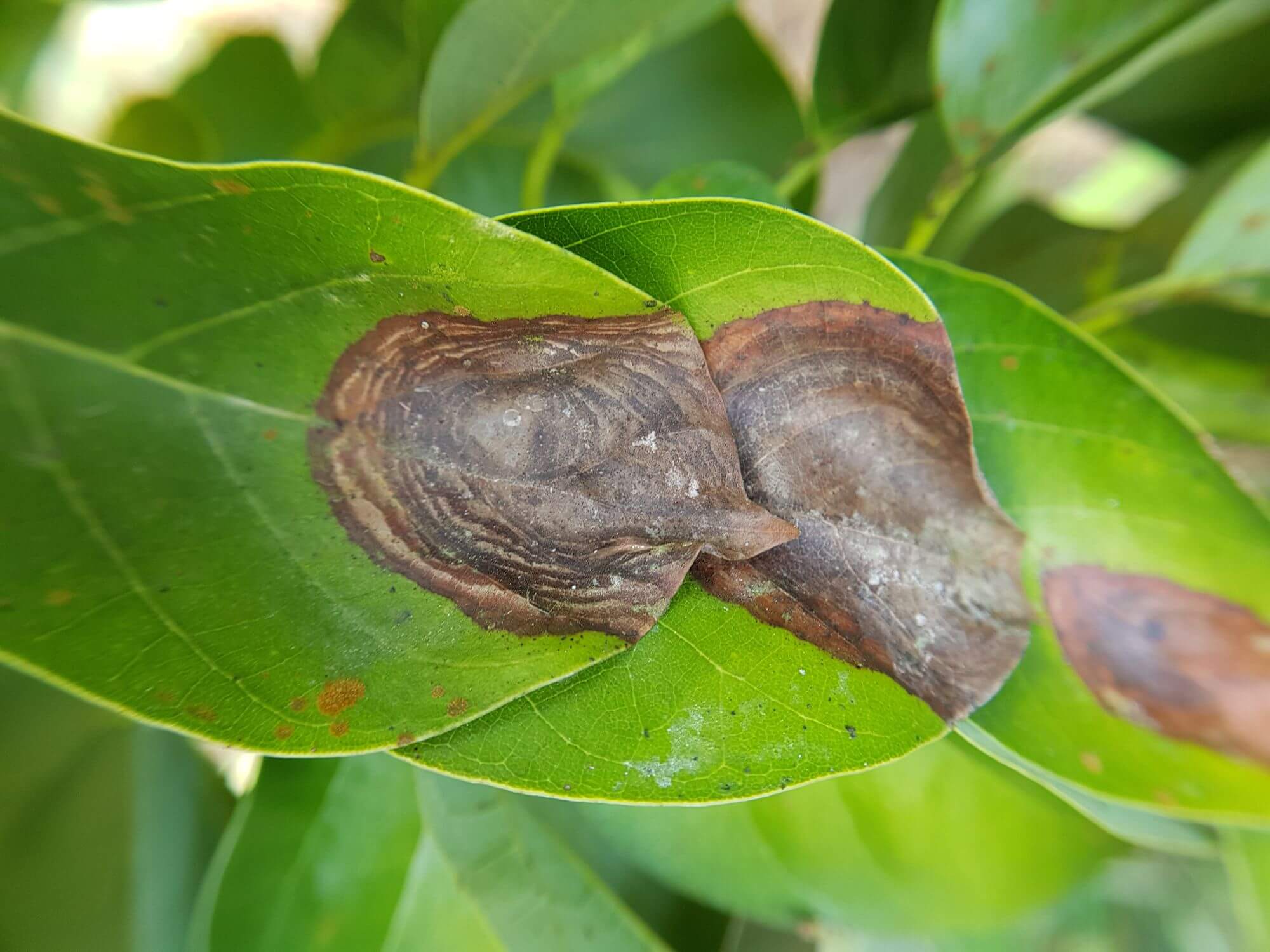
Anthracnose caused by Colletotrichum sp. It manifests itself in various parts of plants, including leaves, stems, flowers and fruits. The disease is characterized by the appearance of dark, sunken Taches in the affected areas, which can expand and join together, causing extensive necrosis. Affected tissues often develop a watery appearance and may exude a sticky fluid under high humidity conditions.
- Black or brown Taches on leaves and stems.
- Sunken lesions in fruits and flowers.
- Discoloration and death of plant tissues.
- Premature fall of leaves and fruits.
- Delay in plant growth.
- Deformation of flowers and fruits.
- Presence of masses of pink or orange spores in the lesions.
- Withering of aerial parts of the plant.


DEVELOPMENT CONDITIONS
Temperature:
20°C a 30°C
Humidity:
80% a 100%

HOW IS IT SPREAD?
Spores carried by wind, Contact with infected soil, Contaminated tools, Irrigation with infected water, Infected plant material, Movement of sclerotia in soil

HOW TO ELIMINATE IT?
Home treatments
There are no home treatments
Natural allies
Chemical treatments
There are no treatments for this disease. Treatments are directed at the insect vectors that transmit it. See insect treatments.
RECOMMENDED PRODUCTS TO ELIMINATE THE PEST
Sponsored link
Sponsored link
Sponsored link


Sponsored link
Sponsored link
Effective against all types of fungi

Sponsored link


Sponsored link
Sponsored link

Sponsored link


Sponsored link
Sponsored link
Sponsored link


Sponsored link

REPELLENT PLANTS

RECOMMENDATIONS
OTHER PESTS THAT MAY INTEREST YOU


DID YOU LIKE IT?
Now you can always have it on your mobile, without ads and totally FREE. TRY idMicrobe NOW!


