

Frutos
How to recognize and combat alternariosis in fruit
Alternaria
Fungus
Type:
Risk to the plant:
HIGH
Alternaria sp.
Pathogen:
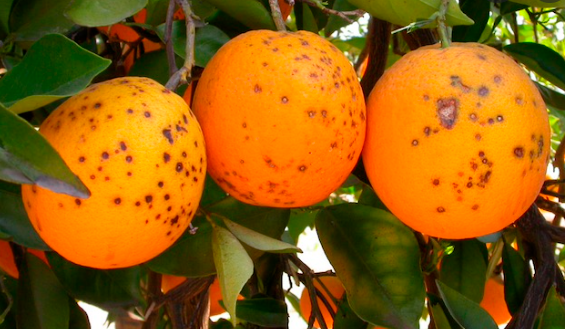
Alternariosis


WHO CAUSES IT?
Alternaria sp. is a very large genus of phytopathogenic fungi, comprising numerous species capable of affecting a wide variety of plants, especially weakened, senescent, or damaged plant tissues. Many Alternaria species exhibit primarily necrotrophic behavior, colonizing tissues that have suffered wounds, physiological stress, mechanical damage, or unfavorable environmental conditions. The fungus produces a mycelium made up of branched hyphae that develop on or within the affected tissues and subsequently form conidiophores that produce numerous conidia. These conidia are one of the most important structures for the dispersal of the pathogen and can remain viable for extended periods in plant debris, affected fruit, seeds, soil, crop structures, and other contaminated surfaces. Conidia production increases particularly when infected tissues and favorable environmental conditions are present, and these conidia can be released and transported by wind, water splash, rain, irrigation systems, and agricultural operations. After reaching a susceptible surface, conidia can germinate when sufficient moisture is present, producing germ tubes that penetrate directly into tissues or take advantage of wounds, microlesions, and weakened areas. Once the infection is established, the fungus progressively colonizes cells and tissues, causing their death and forming new lesions in which it can again produce reproductive structures. In this way, successive infection cycles occur during the favorable period. The presence of infected plant debris constitutes an important source of inoculum, since the pathogen can survive between growing seasons in diseased plant material and resume its activity when suitable temperatures and humidity levels are present again. In fruit, infection can occur both during development in the field and during ripening, harvesting, handling, and storage, especially when wounds or damage facilitate fungal penetration.
.png)
SYMPTOMS
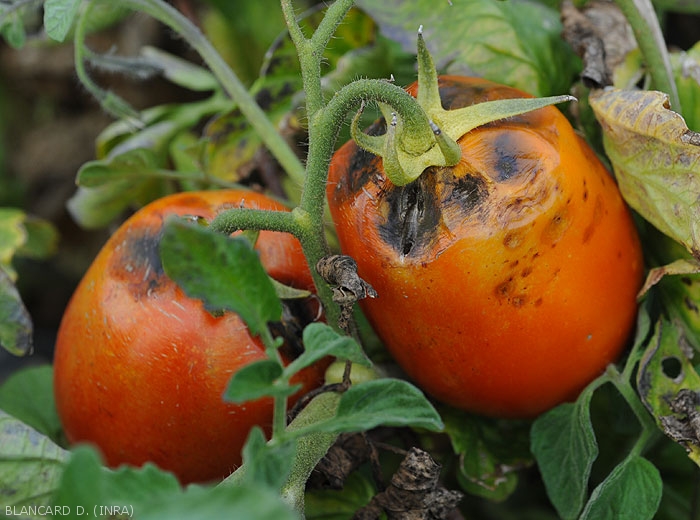
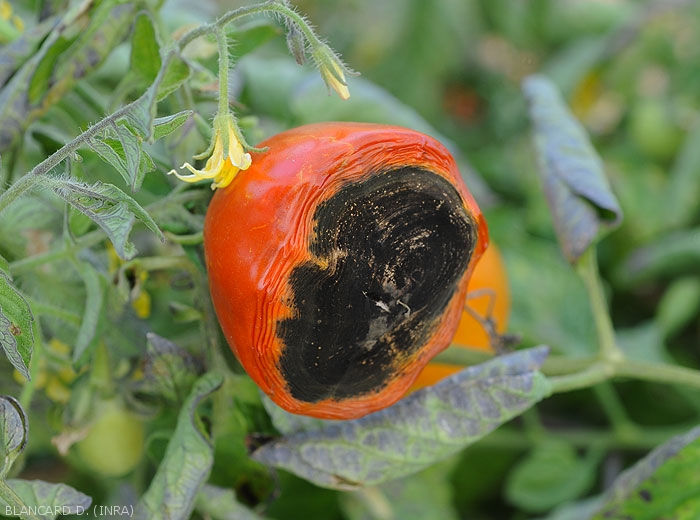
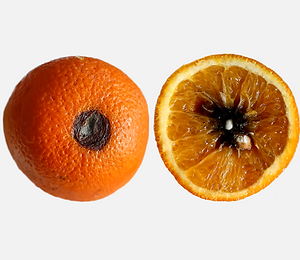
Alternaria leaf spot causes necrotic lesions on fruit that can begin as small, discolored, or sunken areas and progress to dark spots and areas of rot. The disease tends to advance more rapidly when the fruit has wounds, insect damage, abrasions, cracks, or any other alteration of the epidermis. The lesions can increase in size and acquire brown, black, or grayish tones, and may appear dry and sunken or progress to a softer rot depending on the Alternaria species, the affected fruit, and environmental conditions. In humid environments, a dark-colored sporulation mass may develop on the surface of the lesions, which is an important source of new conidia. The infection can considerably reduce the commercial quality of the fruit and, if it progresses during storage, can cause significant losses due to spoilage and rejection of the production. The disease may manifest as:
• Circular or irregular spots that are dark brown, grayish, or black.
• Sunken lesions that progressively increase in size.
• Necrosis and death of affected tissues.
• Appearance of rot areas on the fruit.
• Development of dark, dry, or leathery areas.
• Presence of dark sporulation on the lesions under high humidity conditions.
• Cracks or deterioration of the epidermis around the infected areas.
• Progressive spread of lesions from small initially affected areas.
• Internal rot in advanced infections.
• Loss of firmness and deterioration of fruit quality.
• Appearance of secondary infections favored by tissue deterioration.
• Loss of commercial value and an increase in fruit discarded during sorting and marketing.


DEVELOPMENT CONDITIONS
Temperature:
20–27 °C
Humidity:
85–100 %

HOW IS IT SPREAD?
Conidia transported by wind, rain splash, irrigation water, contact between fruits, infected plant debris, contaminated tools and equipment, hands and clothing of workers, insects and other agents that produce wounds or carry inoculum, contaminated plant material, contaminated seeds.

HOW TO ELIMINATE IT?
Home treatments
There are no home treatments
Natural allies
Chemical treatments
There are no treatments for this disease. Treatments are directed at the insect vectors that transmit it. See insect treatments.
RECOMMENDED PRODUCTS TO ELIMINATE THE PEST
Sponsored link

Sponsored link
Sponsored link


Sponsored link
Sponsored link
Effective against all types of fungi

Sponsored link


Sponsored link
Sponsored link

Sponsored link


Sponsored link
Sponsored link
Sponsored link


Sponsored link

REPELLENT PLANTS

RECOMMENDATIONS
OTHER PESTS THAT MAY INTEREST YOU


DID YOU LIKE IT?
Now you can always have it on your mobile, without ads and totally FREE. TRY idMicrobe NOW!


