

Plantas decorativas de jardín y/o interior
How to recognize and combat borers in decorative garden and/or indoor plants
Borers or Bark beetle
Insect
Type:
Risk to the plant:
CRITICAL
Borers or Bark beetle
Pathogen:
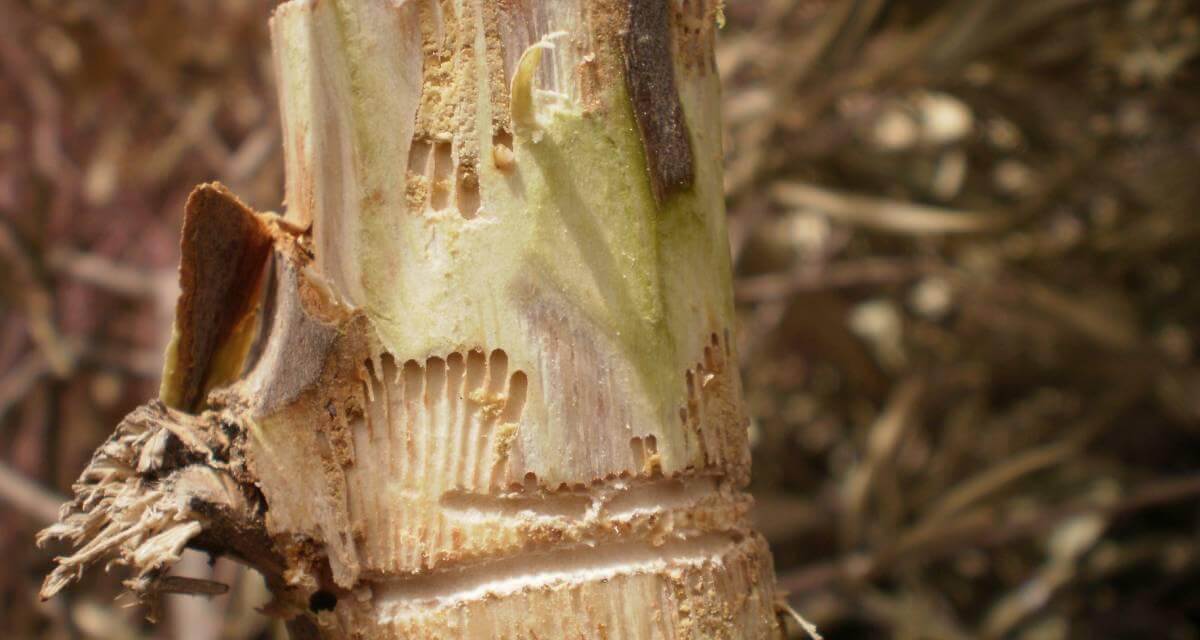
Barrenillos


WHO CAUSES IT?
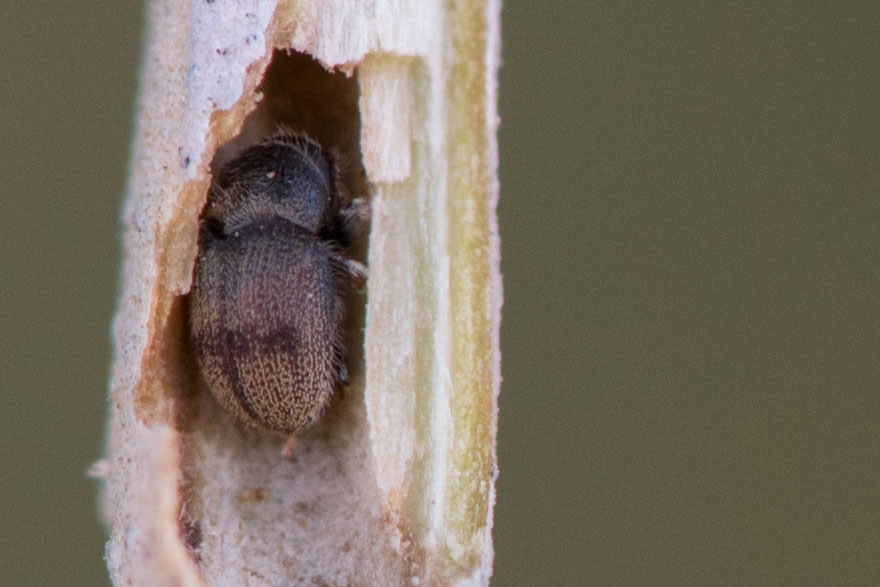
The borers, borers or borers comprise a group of xylophagous insects, mainly coleopterans of the families Scolytidae, Bostrichidae and Cerambycidae, which affect numerous plant species. These insects lay their eggs on the bark or in small cracks in plants. Upon hatching, the larvae enter the interior of stems, branches or trunks, where they excavate galleries feeding on the woody or Cambial tissue. This behavior protects them from predators and chemical treatments, making their control difficult. In their development they can go through several larval phases until they reach their adult stage, at which time they leave the interior of the plant through exit holes to complete their reproductive cycle. Depending on the species and climatic conditions, they can complete one to several generations per year. Some borers are active mainly in spring and summer, while others can remain in the larval state during the winter, sheltered within the plant.
.png)
SYMPTOMS
The activity of the borers causes a devastating disease in plants, especially in woody and fruit species. By piercing internal tissues, they disrupt sap flow, weaken structures, introduce secondary pathogens, and in many cases lead to the death of branches or entire plants. Its silent and progressive action means that damage is often detected when it is already severe.
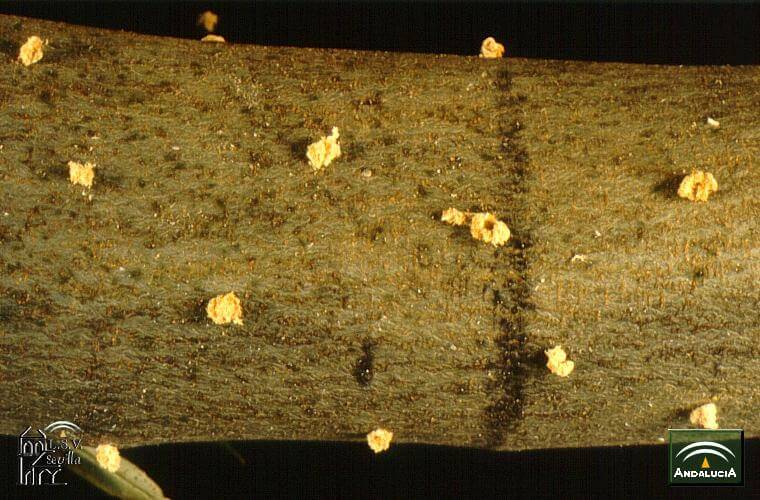
- Presence of small circular holes in the bark, stems or trunks
- Sawdust or resinous exudates accumulated near the holes
- Withering or drying of branches without apparent cause
- Premature fall of leaves or fruits
- Appearance of galleries when removing the bark
- Loss of general vigor of the plant
- Regressive death of branches from the tip towards the interior
- Detachment of the bark in highly affected areas


DEVELOPMENT CONDITIONS
Temperature:
20°C - 35°C
Humidity:
40% - 70%

HOW IS IT SPREAD?
Flight of adults, Transport of infested plants, Contaminated tools, Firewood or infected plant remains

HOW TO ELIMINATE IT?
Home treatments
There are no home treatments
Natural allies
Chemical treatments
There are no treatments for this disease. Treatments are directed at the insect vectors that transmit it. See insect treatments.
RECOMMENDED PRODUCTS TO ELIMINATE THE PEST
Sponsored link
Sponsored link
Sponsored link


Sponsored link
Sponsored link
Effective against all types of fungi

Sponsored link


Sponsored link
Sponsored link

Sponsored link


Sponsored link
Sponsored link
Sponsored link


Sponsored link

REPELLENT PLANTS

RECOMMENDATIONS
OTHER PESTS THAT MAY INTEREST YOU


DID YOU LIKE IT?
Now you can always have it on your mobile, without ads and totally FREE. TRY idMicrobe NOW!


