

Nitrogen Deficiency
-
Pathogen:
Type:
Nutritional disorder
Risk:
ALTO
Plantas decorativas de jardín y/o interior
Deficiencia Nitrógeno

WHO CAUSES IT?
Nitrogen deficiency is one of the most common nutritional problems in agriculture and gardening. This nutrient is essential for the formation of chlorophyll, proteins, and enzymes, so its deficiency directly limits plant growth and productivity. Soils lacking organic matter, excessive irrigation, leaching from heavy rainfall, or an inadequate pH are common causes of this disorder.
.png)
SYMPTOMS
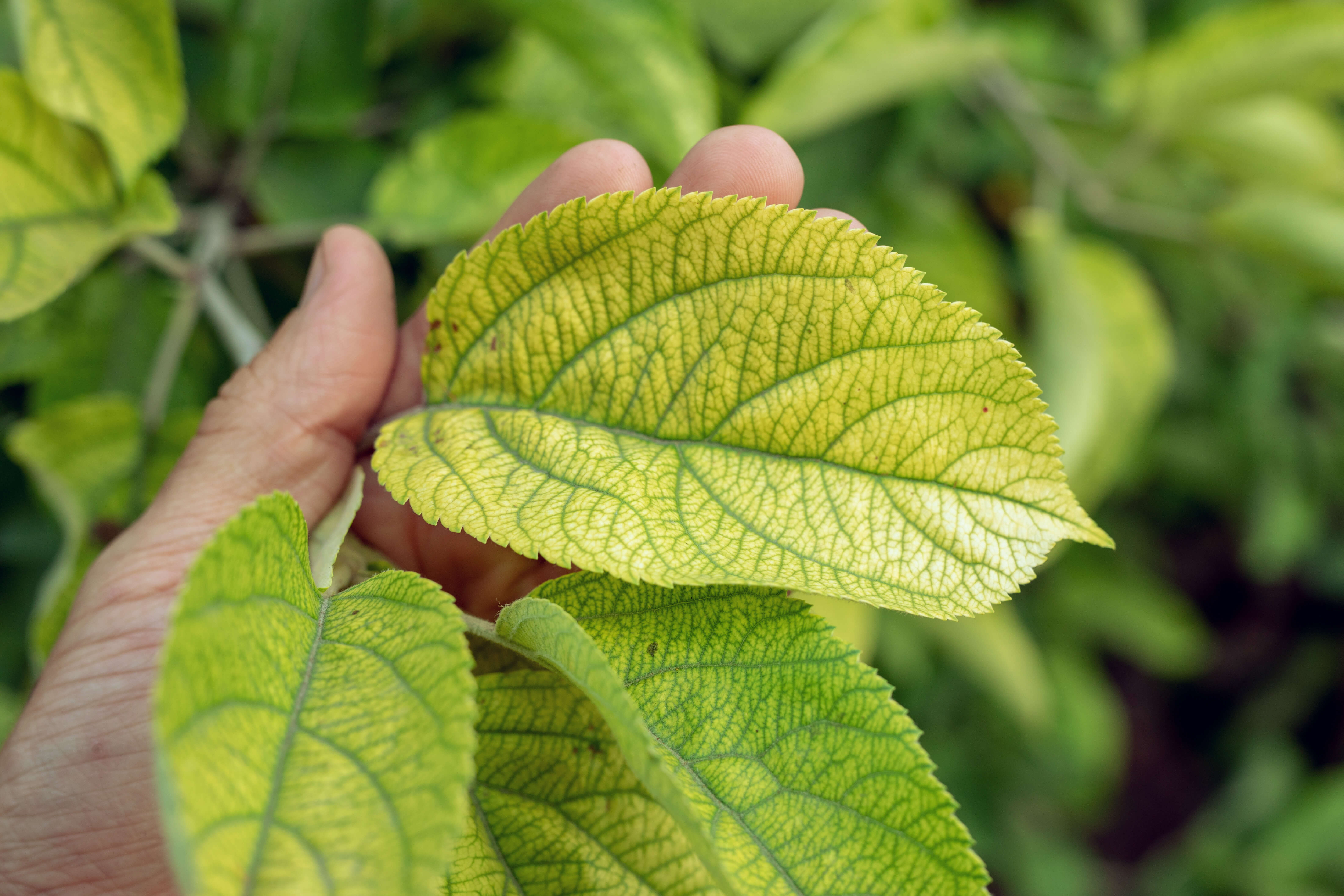
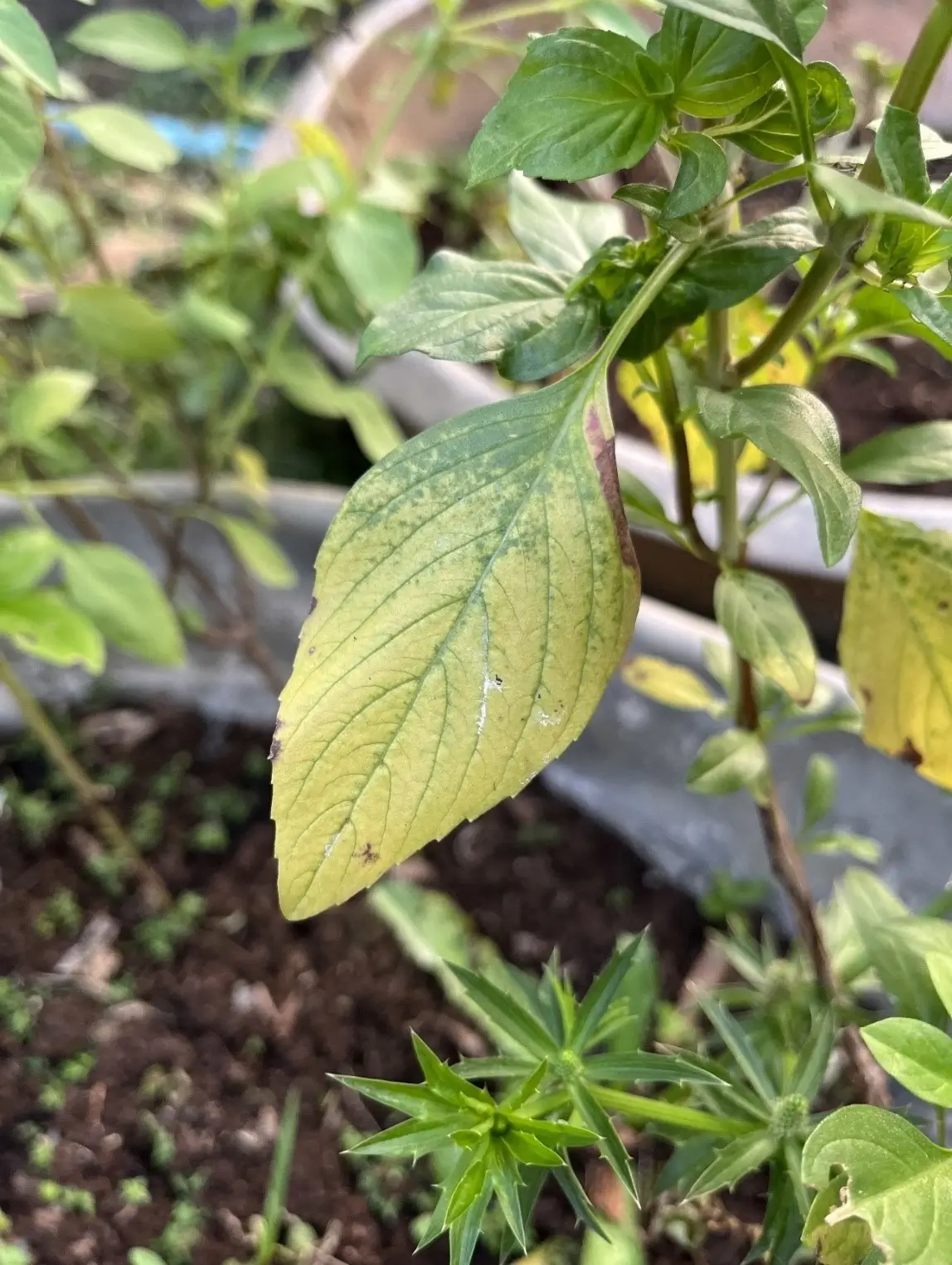
Nitrogen deficiency is usually first noticed in the older leaves, which appear pale and weakened. Over time, the plant loses vigor, reduces its production, and becomes more susceptible to pests and diseases.
Typical symptoms:
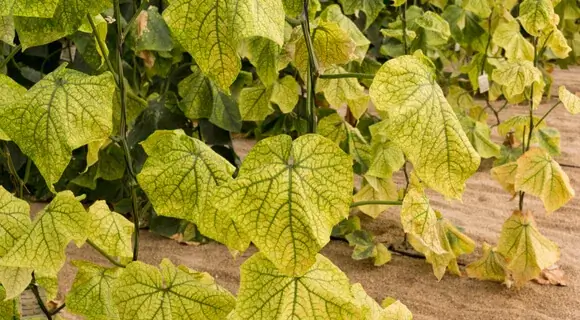
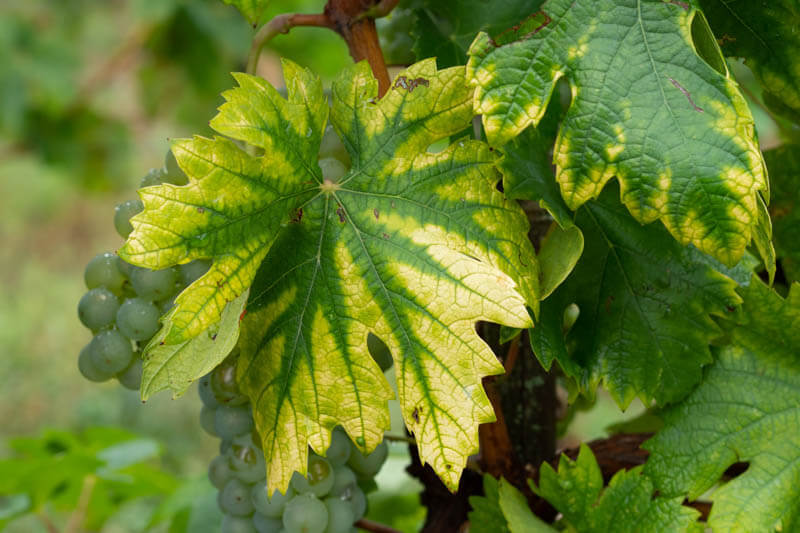
• Yellow or pale green lower leaves (chlorosis).
• Thin stems and reduced growth.
• Small leaves and premature drop.
• Early and forced flowering.
• Poor fruit production or grains with low protein content.
Nitrogen deficiency progresses gradually, beginning with mild signs and reaching critical stages if not corrected promptly.
Developmental stages:
• Initial: Mature leaves are lighter than normal.
• Intermediate stage: Yellowing progresses from the lower leaves to the upper ones.
• Advanced: Stems and veins take on a reddish or purplish hue.
• Final: Generalized chlorosis, leaf necrosis, and premature wilting.
• Final consequence: sharp reduction in yield and even death of the plant.


TEMPERATURE AND HUMIDITY
-
-

TRANSMISSION ROUTES
-
Do you want to remove this disease? Choose how you want to treat it.

TREATMENTS
Chemical treatments
• SOLUBLE NITROGEN FERTILIZERS: Urea, ammonium nitrate, calcium nitrate; rapid absorption by the soil or fertigation.
• CONTROLLED RELEASE FERTILIZERS: Encapsulated or stabilized nitrogen; reduces losses and maintains prolonged supply.
• ORGANIC FERTILIZERS + NITROGEN: Compost, manure, guano; provide nutrients and improve soil structure.
• FERTILIZERS WITH AMINO ACIDS + NITROGEN: Promote foliar absorption and rapid recovery of the plant.
Treatments allowed in organic farming
• SOLUBLE NITROGEN FERTILIZERS: Urea, ammonium nitrate, calcium nitrate; rapid absorption by the soil or fertigation.
• CONTROLLED RELEASE FERTILIZERS: Encapsulated or stabilized nitrogen; reduces losses and maintains prolonged supply.
• ORGANIC FERTILIZERS + NITROGEN: Compost, manure, guano; provide nutrients and improve soil structure.
• FERTILIZERS WITH AMINO ACIDS + NITROGEN: Promote foliar absorption and rapid recovery of the plant.
Biological treatments
• NITROGEN-FIXING MICROORGANISMS: Bacteria such as Rhizobium, Azospirillum or Azotobacter that capture N₂ from the air and transform it into nitrogen available to the plant.
Recommendations
To maintain adequate nitrogen levels and ensure healthy growth, it is important to implement strategies that optimize the uptake and availability of this nutrient in the soil, combining fertilization, soil management, and cultivation practices.
• Apply nitrogen fertilizers according to the crop type.
• Incorporate compost or well-rotted manure.
• Grow green manures, especially legumes.
• Maintain adequate irrigation to prevent leaching.
• Improve soil aeration.
• Adjust soil pH to the optimal range.
• Rotate crops with legumes for natural nitrogen fixation.
• Control weeds that compete for nutrients.
Sponsored link

Sponsored link
Sponsored link


Sponsored link
Sponsored link
Sponsored link
Sponsored link


Sponsored link
Sponsored link
Effective against all types of fungi

Sponsored link
Sponsored link


Sponsored link
Sponsored link

Sponsored link
Sponsored link


Sponsored link
*The recommended treatments are recommendations based on the authorities' databases and in no way replace the guidelines established by the legislation of each country.
*Products shown are recommendations and not our own products. As Amazon Associates, we earn revenue from purchases of recommended products.

TREATMENTS
Homemade remedies
There are no home treatments
Natural allies
Chemical treatments
There are no treatments for this disease. Treatments are directed at the insect vectors that transmit it. See insect treatments.

RECOMMENDATIONS

REPELLENT PLANTS
EFFECTIVE PRODUCTS TO ELIMINATE THIS DISEASE
Sponsored link
Sponsored link
Sponsored link
Sponsored link
Sponsored link
Sponsored link
Sponsored link
Sponsored link
Sponsored link
Effective against all types of fungi
Sponsored link
Sponsored link
Sponsored link
Sponsored link
Sponsored link
Sponsored link
Sponsored link
*The recommended treatments are recommendations based on the authorities' databases and in no way replace the guidelines established by the legislation of each country.
*Products shown are recommendations and not our own products. As Amazon Associates, we earn revenue from purchases of recommended products.

Enjoy idMicrobe TOTALLY FREE, with no trial periods.


