

Potato Flea
Epitrix Similaris
Pathogen:
Type:
Insect
Risk:
INTERMEDIATE
Patata
Escarabajos

WHO CAUSES IT?
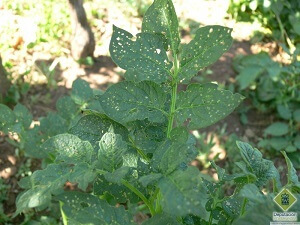
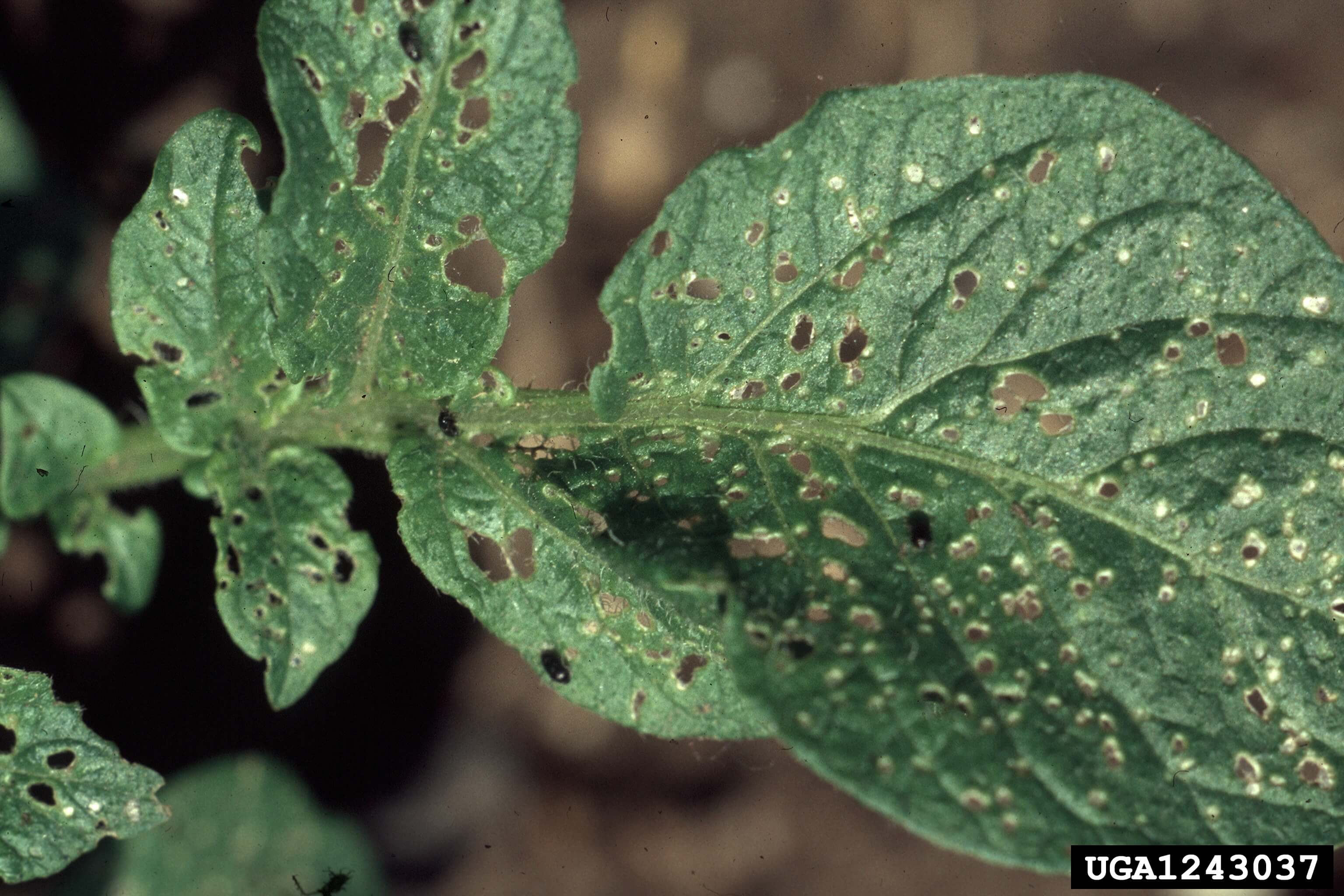
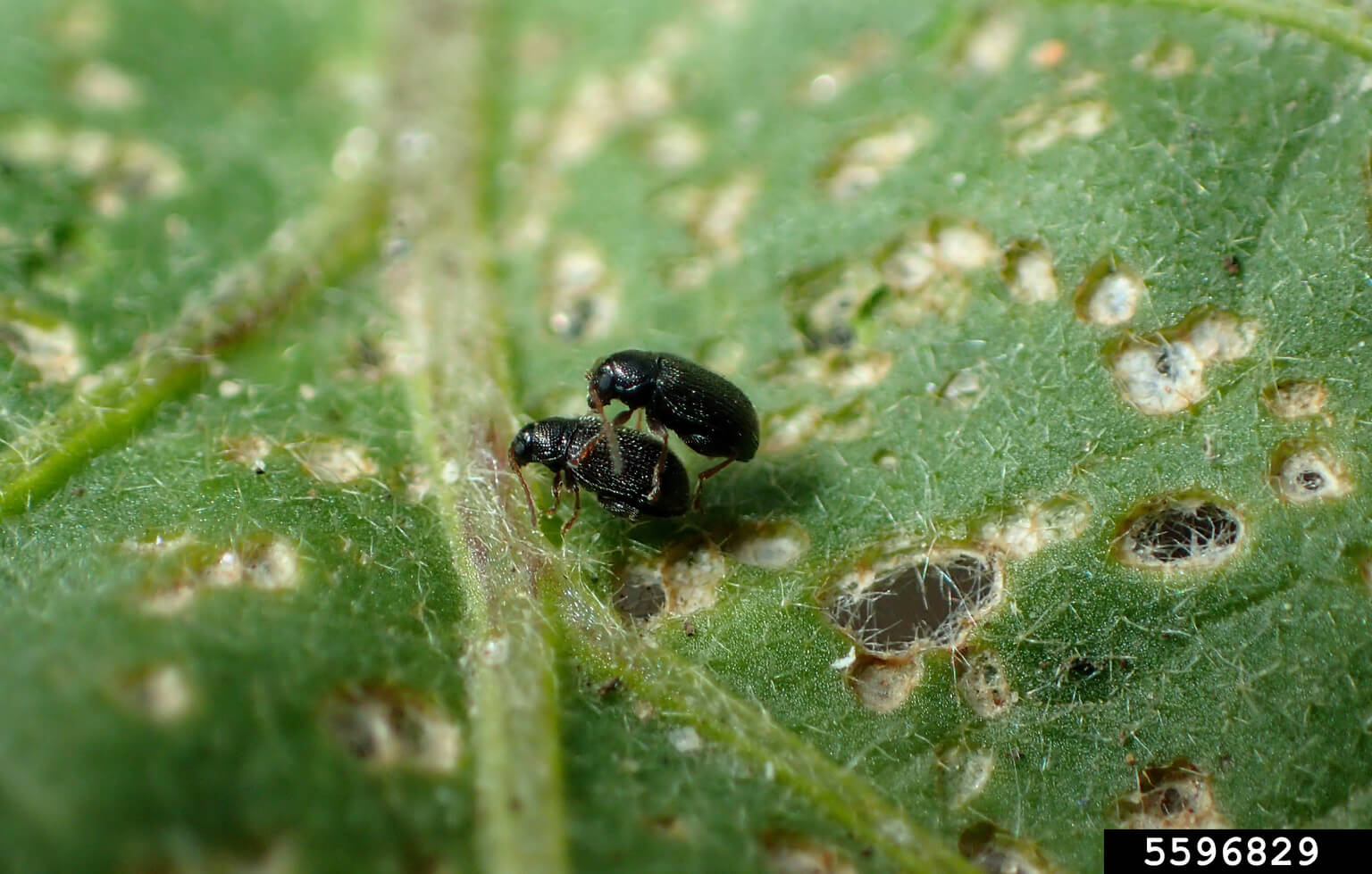
Epitrix similaris, known as the potato flea, is a beetle that mainly affects potato crops and other vegetables of the Solanaceae family. This insect has a fast life cycle, especially in warm climates. Females lay eggs in the soil near potato plants, and the emerging larvae feed on the roots and tubers. The adults feed on the leaves of the plant, causing small holes in the leaf surface.
.png)
SYMPTOMS
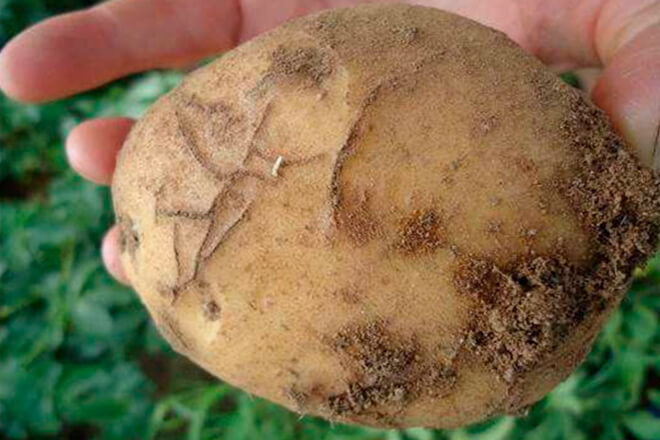
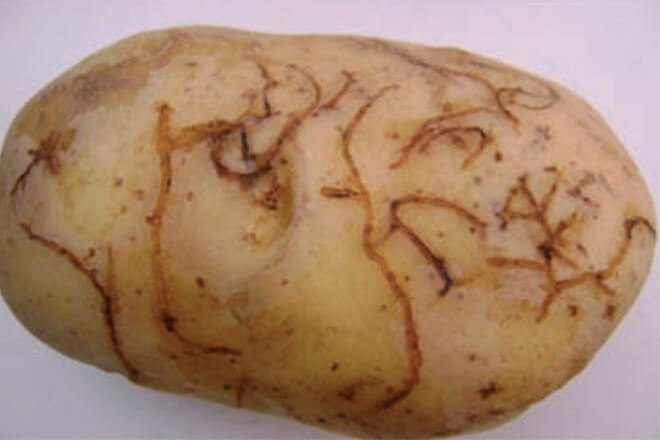
The potato flea causes damage to the leaves, roots and tubers of the potato. Symptoms include small holes in leaves, damage to roots and tunneling in tubers. This damage can weaken the plant and reduce the quality and quantity of the harvest.
• Small holes in the leaves of the plant.
• Damage to potato roots.
• Tunneling in the tubercles, causing deformities.
• Decrease in the quality and quantity of the harvest.

TEMPERATURE AND HUMIDITY
15°C - 30°C
40% - 80%

TRANSMISSION ROUTES
Flight, direct contact with infected plants or tubers, contaminated soil.
Do you want to remove this disease? Choose how you want to treat it.

TREATMENTS
Chemical treatments
• ACETAMIPRID 20% [SP] P/P
• DELTAMETHRIN 1.57% [SC] P/V
• DELTAMETHRIN 2.5% [EW] P/V
Treatments allowed in organic farming
-
Biological treatments
-
Recommendations
• Regularly monitor crops to detect the presence of the pest.
• Use monitoring traps to control adult populations.
• Apply specific insecticides according to expert recommendations.
• Rotate crops with non-host plants to interrupt the pest's life cycle.
• Avoid excess moisture in the soil, as it favors the development of larvae.
• Use pest-resistant potato varieties.
Sponsored link

Sponsored link
Sponsored link


Sponsored link
Sponsored link
Sponsored link
Sponsored link


Sponsored link
Sponsored link
Effective against all types of fungi

Sponsored link
Sponsored link


Sponsored link
Sponsored link

Sponsored link
Sponsored link


Sponsored link
*The recommended treatments are recommendations based on the authorities' databases and in no way replace the guidelines established by the legislation of each country.
*Products shown are recommendations and not our own products. As Amazon Associates, we earn revenue from purchases of recommended products.

TREATMENTS
Homemade remedies
There are no home treatments
Natural allies
Chemical treatments
There are no treatments for this disease. Treatments are directed at the insect vectors that transmit it. See insect treatments.

RECOMMENDATIONS

REPELLENT PLANTS
EFFECTIVE PRODUCTS TO ELIMINATE THIS DISEASE
Sponsored link
Sponsored link
Sponsored link
Sponsored link
Sponsored link
Sponsored link
Sponsored link
Sponsored link
Sponsored link
Effective against all types of fungi
Sponsored link
Sponsored link
Sponsored link
Sponsored link
Sponsored link
Sponsored link
Sponsored link
*The recommended treatments are recommendations based on the authorities' databases and in no way replace the guidelines established by the legislation of each country.
*Products shown are recommendations and not our own products. As Amazon Associates, we earn revenue from purchases of recommended products.

Enjoy idMicrobe TOTALLY FREE, with no trial periods.


