


Vid de vinificación
How to recognize and combat gray rot in wine grapes
Gray Rot
Fungus
Type:
Risk to the plant:
HIGH
Botrytis Cinerea
Pathogen:

Podredumbre gris


WHO CAUSES IT?
Botrytis cinerea is a filamentous fungus that causes the disease known as gray rot in a wide variety of plants, including crops, flowers and fruit trees. It is a very destructive pathogen that can attack healthy and injured plant tissues, both in field and greenhouse conditions. This fungus spreads rapidly in cool, humid environments, and is capable of surviving for long periods in plant debris, soil, and in storage conditions.

SYMPTOMS
On grapevines, Botrytis cinerea can cause a disease known as grape gray rot. Symptoms include the formation of watery Taches on the surface of the berries, which are subsequently covered with grayish mold. As the infection progresses, the berries become soft, wrinkled and eventually disintegrate, leading to loss of harvest and wine quality.


DEVELOPMENT CONDITIONS
Temperature:
15°C - 20°C
Humidity:
90% - 100%

HOW IS IT SPREAD?
Air, rainwater, direct contact with infected plants, contaminated soil, contaminated growing tools, infected plant material, and spread through spores produced by the fungus.

HOW TO ELIMINATE IT?
Home treatments
There are no home treatments
Natural allies
Chemical treatments
There are no treatments for this disease. Treatments are directed at the insect vectors that transmit it. See insect treatments.
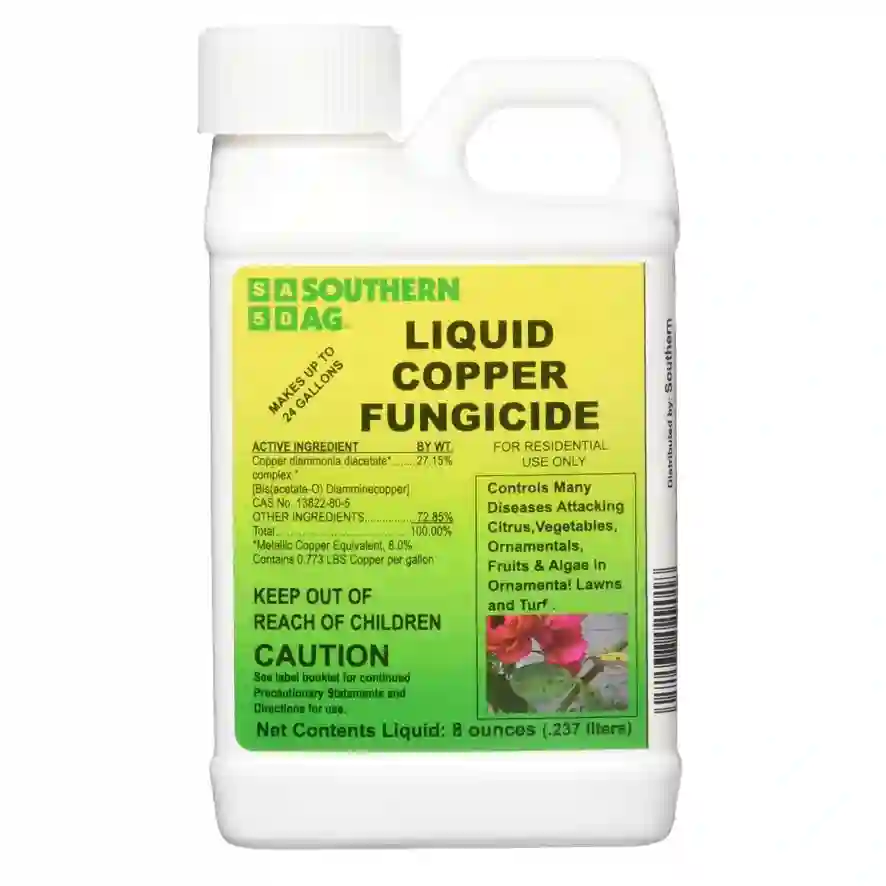
RECOMMENDED PRODUCTS TO ELIMINATE THE PEST




REPELLENT PLANTS

RECOMMENDATIONS
OTHER PESTS THAT MAY INTEREST YOU


DID YOU LIKE IT?
Now you can always have it on your mobile, without ads and totally FREE. TRY idMicrobe NOW!



Explore more tools
Services
Contact
Legal
©2023 by ZERIMAR S.A.R.L. All rights reserved