


Platanera
How to recognize and combat red spot thrips on banana trees
Banana red spot thrips
Insect
Type:
Risk to the plant:
HIGH
Chaetanaphothrips signipennis
Pathogen:
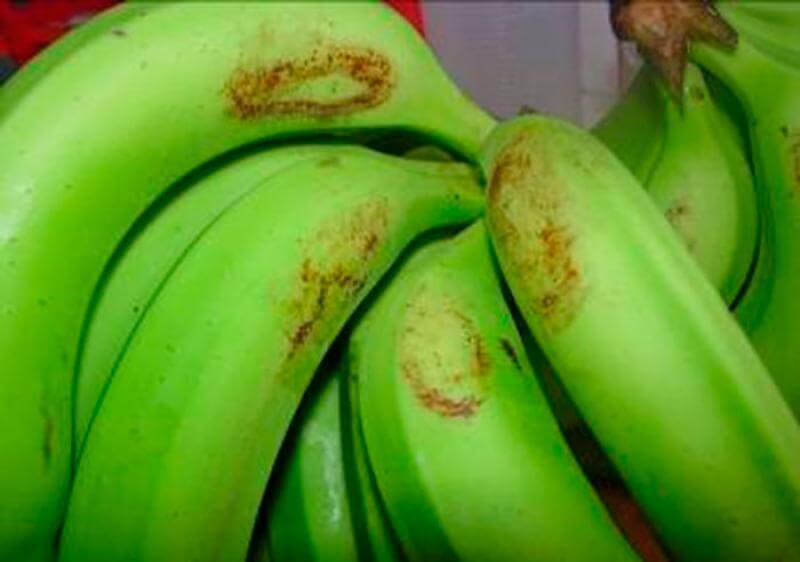
Trips


WHO CAUSES IT?
Chaetanaphothrips signipennis is a tiny insect belonging to the order Thysanoptera and the family Thripidae. It is characterized by its elongated and segmented body, with colors that vary between dark brown and black, and narrow wings with characteristic fringes. Its development goes through several phases, from the egg to the adult phase, with intermediate larva and pupa stages. The female lays her eggs in the tissues of the banana tree, where the larvae emerge and begin to feed. These larvae go through two stages before entering the pupal phase, during which they cease feeding and seek refuge in the soil or plant structures. Subsequently, they emerge as adults and restart the reproductive process. Adult longevity can vary depending on environmental conditions, and females can produce several generations in a year, facilitating rapid proliferation of the pest.

SYMPTOMS
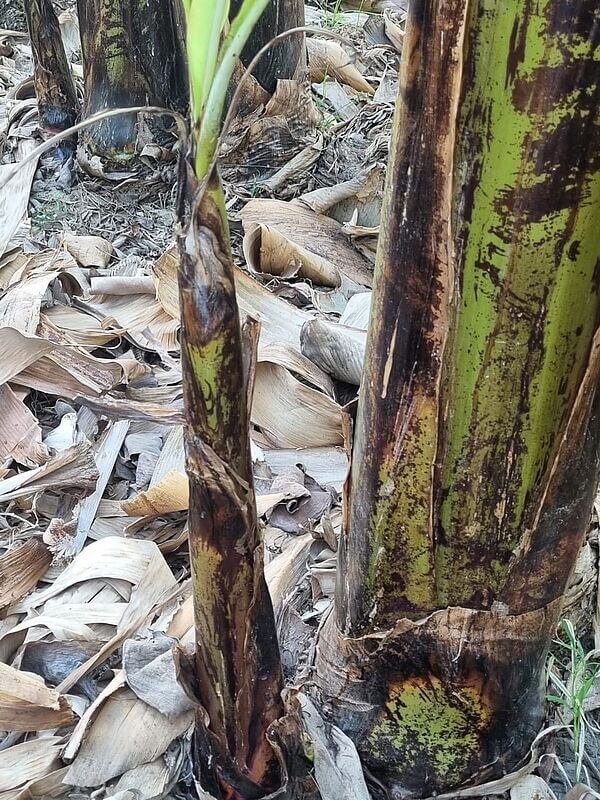
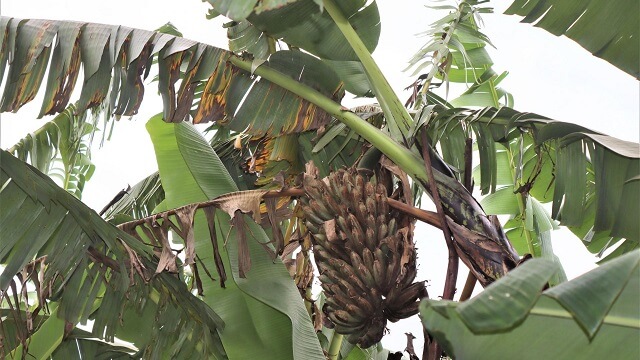
In banana trees, Chaetanaphothrips signipennis causes the disease known as banana red spot thrips. This insect feeds on plant tissues, piercing the epidermal cells and sucking their contents, which causes localized necrosis and alterations in the host's physiology. The damage is most evident in leaves and fruits, generating discolorations and lesions that affect the quality and yield of the crop.
- Appearance of reddish or brown spots on leaves and fruits.
- Necrosis in the affected tissues.
- Deformation of young leaves.
- Loss of shine and shriveled appearance on the leaf surface.
- Reduction in growth and general weakening of the plant.
- Damage to fruits that reduces their commercial value.
- Greater susceptibility to secondary infections.


DEVELOPMENT CONDITIONS
Temperature:
20-30°C
Humidity:
60-85%

HOW IS IT SPREAD?
Dispersion by wind, contact between infested plants, contaminated tools, presence in plant remains, movement of infected plant material, insect vectors

HOW TO ELIMINATE IT?
Home treatments
There are no home treatments
Natural allies
Chemical treatments
There are no treatments for this disease. Treatments are directed at the insect vectors that transmit it. See insect treatments.
RECOMMENDED PRODUCTS TO ELIMINATE THE PEST





REPELLENT PLANTS

RECOMMENDATIONS
OTHER PESTS THAT MAY INTEREST YOU


DID YOU LIKE IT?
Now you can always have it on your mobile, without ads and totally FREE. TRY idMicrobe NOW!



Explore more tools
Services
Contact
Legal
©2023 by ZERIMAR S.A.R.L. All rights reserved