


Naranjo
How to recognize and combat false codling moths in orange trees
False Codling Moth
Insect
Type:
Risk to the plant:
CRITICAL (Quarantine Agency)
Thaumatotibia Leucotreta
Pathogen:

Polillas


WHO CAUSES IT?
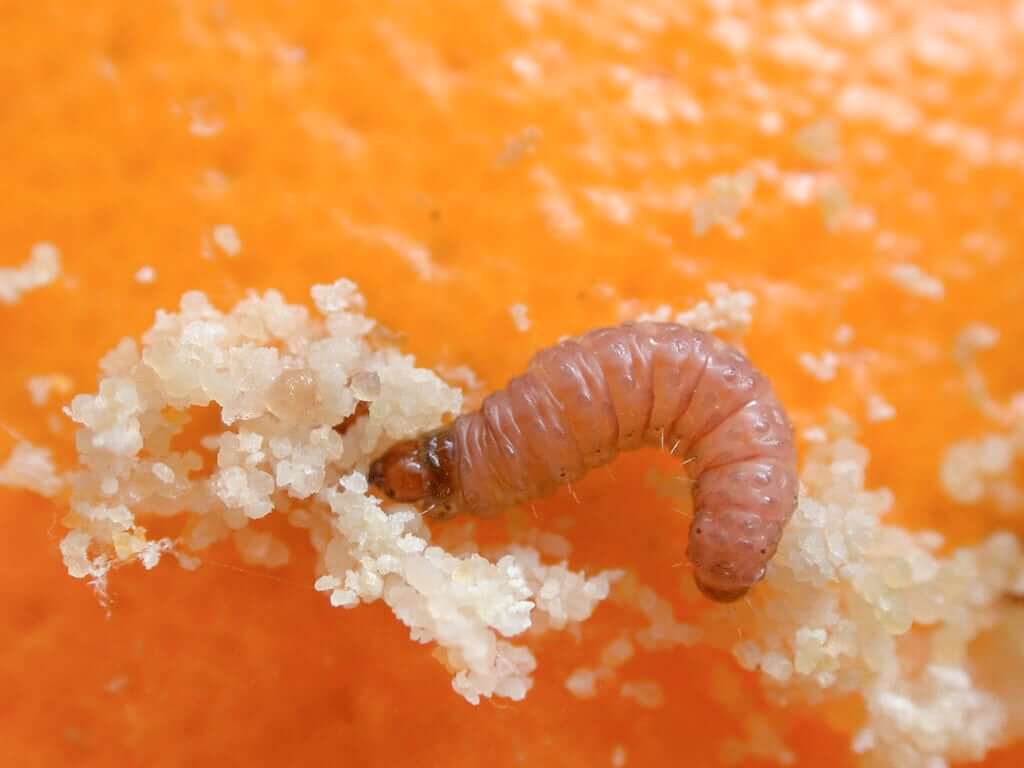
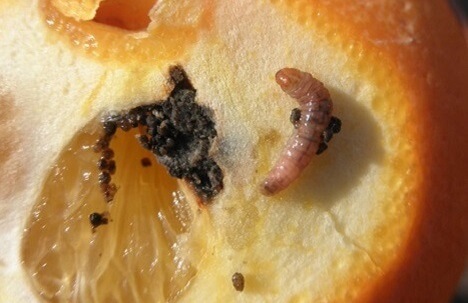
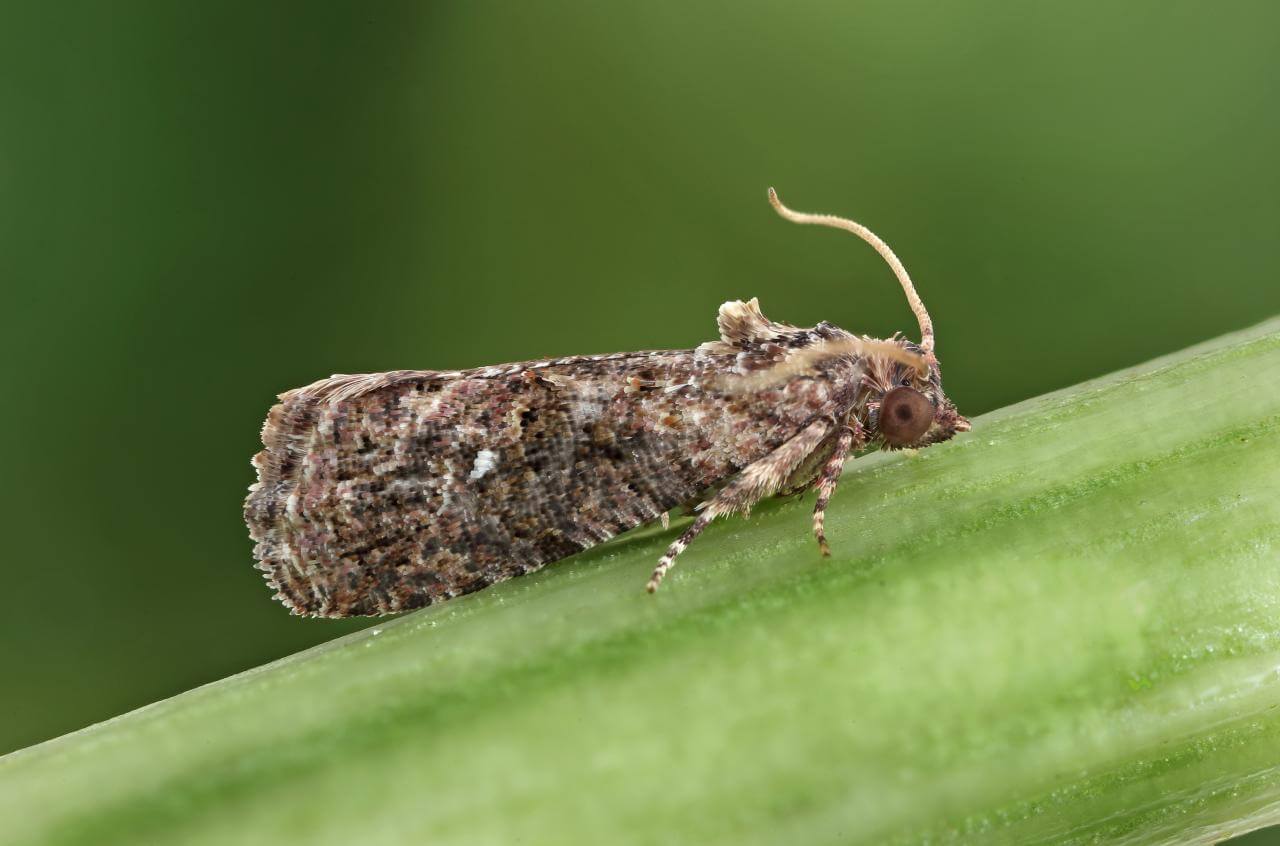
Thaumatotibia leucotreta, commonly known as false moth, is a species of moth native to southern Africa that causes significant damage to citrus and other fruit crops. It feeds on fruits, where it deposits its eggs, which can cause premature decomposition of the fruit and loss of quality in production.

SYMPTOMS
In citrus fruits, the false codling moth can cause a series of symptoms, such as the presence of larval galleries inside the fruits, the formation of necrotic areas around the bites and the premature fall of the affected fruits. These symptoms can result in significant economic losses for citrus growers.


DEVELOPMENT CONDITIONS
Temperature:
20°C - 30°C
Humidity:
60%

HOW IS IT SPREAD?
Active dispersal of adults, human transport, infected plant material, contaminated agricultural equipment, wind movement.

HOW TO ELIMINATE IT?
Home treatments
There are no home treatments
Natural allies
Chemical treatments
There are no treatments for this disease. Treatments are directed at the insect vectors that transmit it. See insect treatments.
RECOMMENDED PRODUCTS TO ELIMINATE THE PEST





REPELLENT PLANTS

RECOMMENDATIONS
OTHER PESTS THAT MAY INTEREST YOU


DID YOU LIKE IT?
Now you can always have it on your mobile, without ads and totally FREE. TRY idMicrobe NOW!



Explore more tools
Services
Contact
Legal
©2023 by ZERIMAR S.A.R.L. All rights reserved