


Manzano
How to recognize and combat bacterial canker in apple trees
Bacterial Cancer
Bacterium
Type:
Risk to the plant:
INTERMEDIATE
Pseudomonas Syringae
Pathogen:
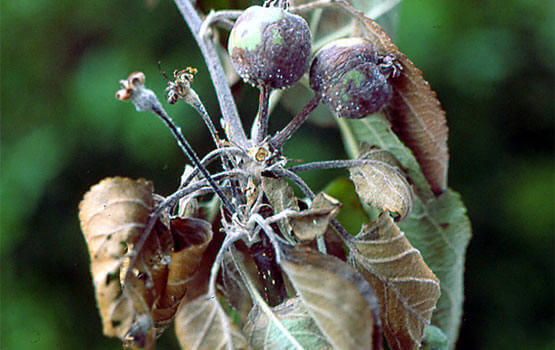
Cancros


WHO CAUSES IT?
Pseudomonas syringae is a phytopathogenic bacteria that causes bacterial canker on apple and other fruit trees. The bacteria can survive in soil, water, and the remains of infected plants. It spreads through water splashes, contaminated tools, and mechanical vectors, and can infect new plants when they find wounds or openings in plant tissues.

SYMPTOMS
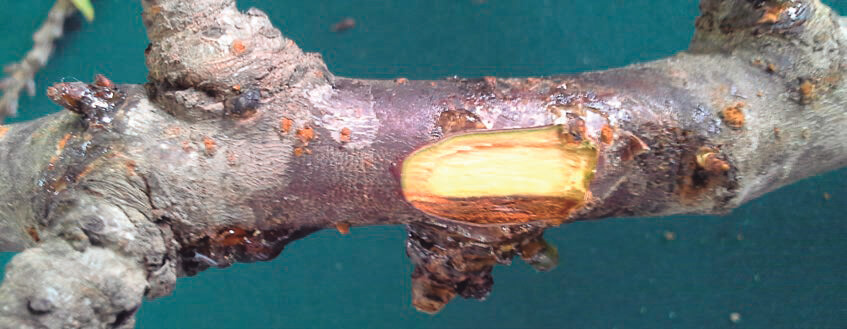
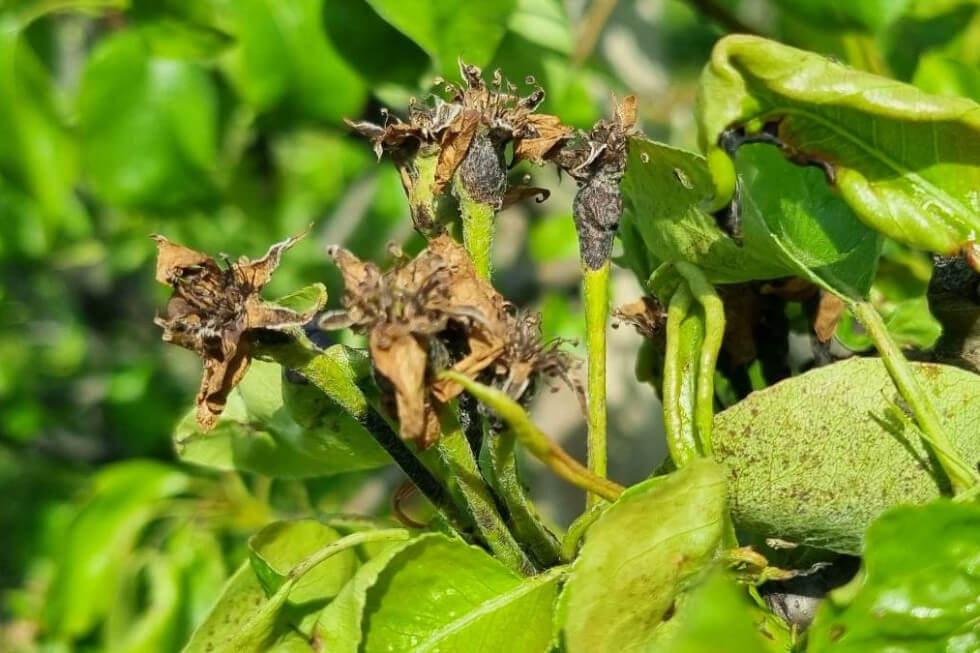
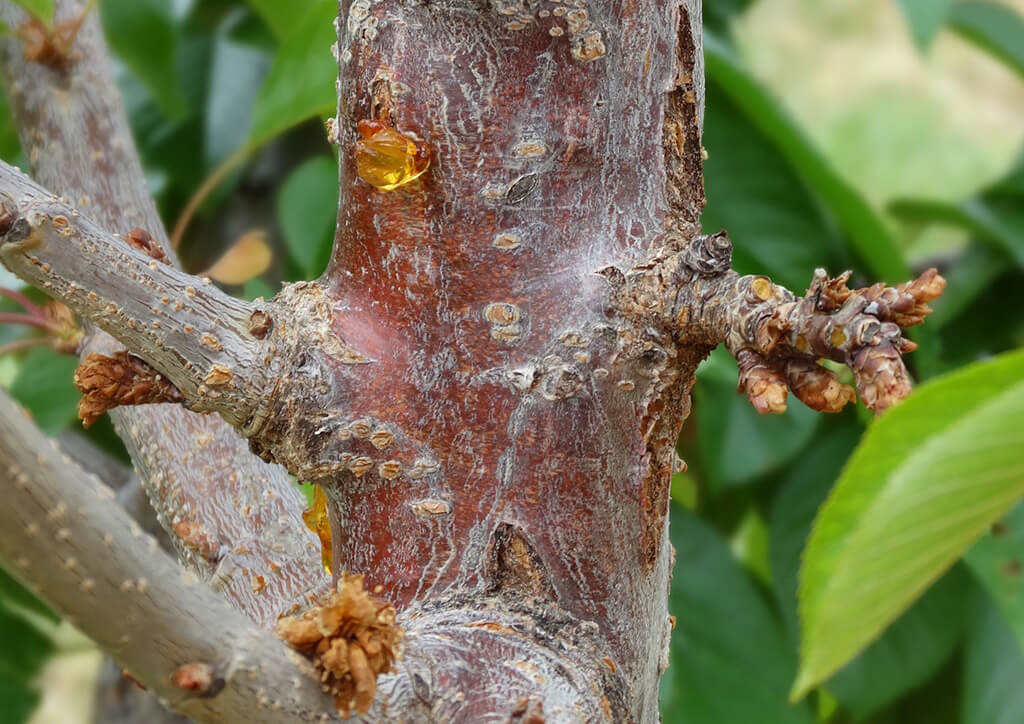
Bacterial canker on apple trees caused by Pseudomonas syringae produces dark, sunken lesions on branches, shoots, and leaves. These cankers can expand and cause branch dieback, affecting the overall health of the plant. The infection can also cause lesions on the fruits, reducing their quality and commercial value.
• Dark, sunken lesions on branches, shoots and leaves.
• Dieback of branches due to the expansion of cankers.
• Injuries to the fruits that reduce their quality.
• General weakening of the plant.


DEVELOPMENT CONDITIONS
Temperature:
18°C - 25°C
Humidity:
70% - 90%

HOW IS IT SPREAD?
Water splashes, contaminated tools, mechanical vectors, contact with infected plants.

HOW TO ELIMINATE IT?
Home treatments
There are no home treatments
Natural allies
Chemical treatments
There are no treatments for this disease. Treatments are directed at the insect vectors that transmit it. See insect treatments.
RECOMMENDED PRODUCTS TO ELIMINATE THE PEST





REPELLENT PLANTS

RECOMMENDATIONS
OTHER PESTS THAT MAY INTEREST YOU


DID YOU LIKE IT?
Now you can always have it on your mobile, without ads and totally FREE. TRY idMicrobe NOW!



Explore more tools
Services
Contact
Legal
©2023 by ZERIMAR S.A.R.L. All rights reserved