

Stem Borer
Hepialus Spp.
Pathogen:
Type:
Insect
Risk:
HIGH
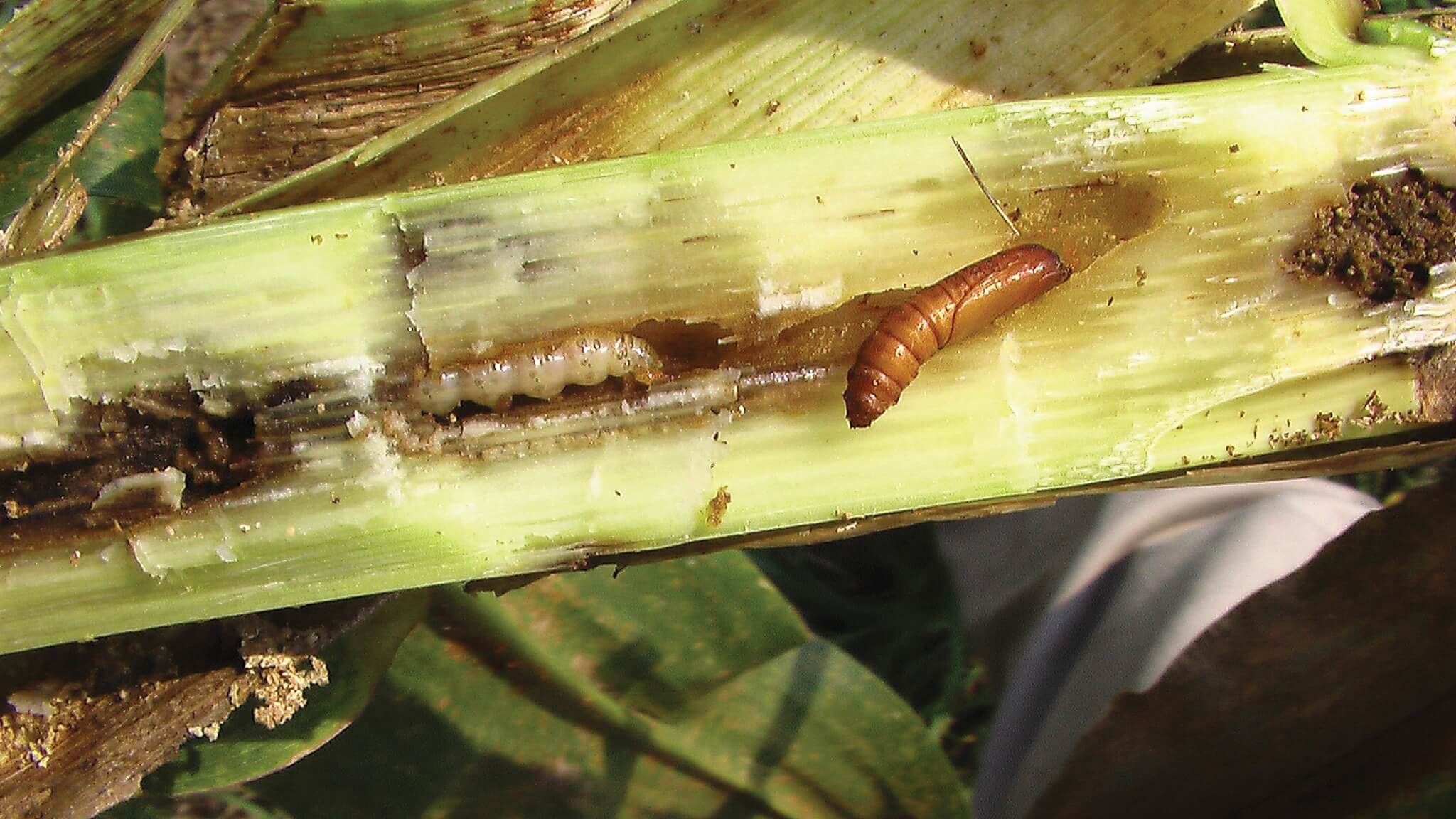
Mora
Barrenadores

WHO CAUSES IT?
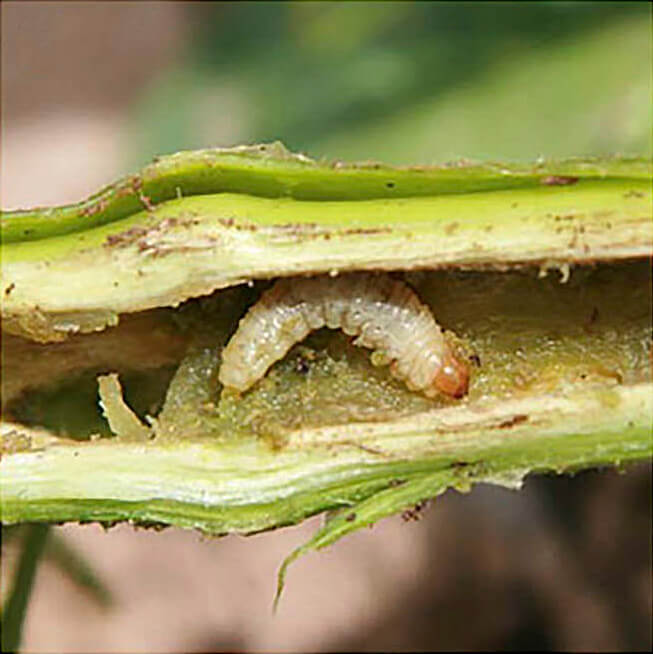
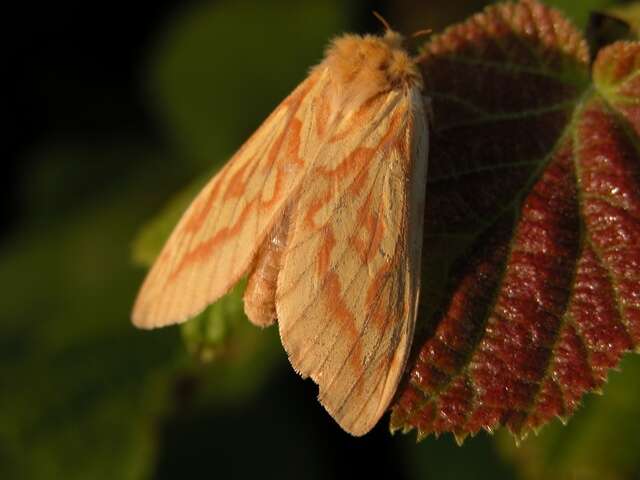
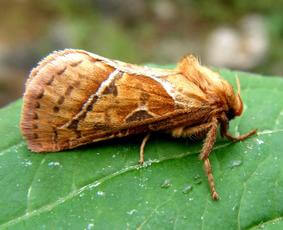
Epialus spp. is a genus of lepidopteran insects that includes several species known for their ability to severely damage agricultural crops by piercing and feeding on the stems of plants. Adults are small to medium-sized moths with wings of variable color that allows them to camouflage themselves in their environment. Females lay eggs at the base of plants or in crevices in the stem. The larvae emerge and quickly penetrate the stem tissue, where they feed, creating tunnels and galleries. These larvae go through several larval stages during a period that can vary between several weeks to months, depending on environmental conditions. Upon completing their development, the larvae pupate within the stem or in the nearby soil, emerging as adults to begin the reproductive cycle again. The ability of these species to complete multiple generations per year, along with their adaptation to diverse climates, contributes to their destructive potential and the difficulty of their control in blackberry crops.
.png)
SYMPTOMS
The infestation of Epialus spp. In blackberries it produces a disease known as stem borer, which significantly weakens the plants and affects their growth and production capacity. By piercing the stems, the larvae prevent the adequate flow of nutrients and water, leading to the progressive deterioration of the plant. This structural damage causes several visible symptoms in the plant.
- Withering and premature leaf fall.
- Yellowing and general weakening of the branches.
- Presence of holes and resinous exudations in the stems.
- Formation of internal galleries that can be filled with larva excrement.
- Reduction in plant vigor and decreased fruit production.
- Regressive death of branches and, in severe cases, of entire plants.
- Presence of larvae or pupae when opening the affected stems.


TEMPERATURE AND HUMIDITY
15°C a 30°C
50% a 70%

TRANSMISSION PATHS
Wind, Transport of plant material, Pruning tools, Field personnel, Earthworks
Do you want to remove this disease? Choose how you want to treat it.

TREATMENTS
Chemical treatment
• ORANGE OIL 60g/L [ME] P/S
• AZADIRACTIN 1% (AS AZADIRACTIN A) [EC] P/V
• Azadirachtin 2.6% (AS AZADIRACTIN A) [EC] P/V
• SPINOSAD 48% [SC] P/V
Authorized treatments in organic farming
• ORANGE OIL 60g/L [ME] P/S
• AZADIRACTIN 1% (AS AZADIRACTIN A) [EC] P/V
• Azadirachtin 2.6% (AS AZADIRACTIN A) [EC] P/V
• SPINOSAD 48% [SC] P/V
Biological control
• BACILLUS THURINGIENSIS AIZAWAI (ABTS-1857 strain, 540 g/kg) (15 million CLU/g) 54% [WG] P/P
• BACILLUS THURINGIENSIS KURSTAKI (ABTS-351 strain, 640 g/kg) (32 MILLION CLU/g) 64% [WP] P/P
• BACILLUS THURINGIENSIS KURSTAKI (ABTS-351 strain) (32 MILLION CLU/g) 54% (540 g/kg) [WG] P/P
• BACILLUS THURINGIENSIS KURSTAKI (STRAIN PB 54) 32% (32 MILLION IU/G) [WP] P/P
• BACILLUS THURINGIENSIS KURSTAKI (EG 2348) (24x106 I.U./G) 18.3% [SC] P/V
Recommendations
- Carry out regular and detailed monitoring of plants to detect early signs of infestation.
- Implement crop rotation to interrupt the life cycle of the pathogen.
- Eliminate and destroy infested plants to reduce the source of inoculum.
- Use pheromone traps to capture adults and reduce the reproductive population.
- Apply specific chemical treatments, respecting safety periods and technical recommendations.
- Promote biological control through the introduction of natural enemies such as parasitoids and predators.
- Maintain good hygiene practice in the field, avoiding crop residues and keeping the area clean.
- Implement physical barriers such as protective mesh to prevent adults from entering the plantations.
Sponsored link
Sponsored link


Sponsored link
Sponsored link
Sponsored link


Sponsored link
Sponsored link
Effective against all types of fungi

Sponsored link


Sponsored link
Sponsored link

Sponsored link


Sponsored link
*The recommended treatments are still recommendations according to the databases of the authorities and at no time do they replace the guidelines established according to the legislation of each country
*The products shown are recommendations and are not our own products. As Amazon Associates, we earn revenue from purchases of recommended products.

TREATMENTS
Homemade treatments
There are no home treatments
Natural allies
Chemical treatments
There are no treatments for this disease. Treatments are directed at the insect vectors that transmit it. See insect treatments.

RECOMMENDATIONS

REPELLENT PLANTS
RECOMMENDED PRODUCTS TO ELIMINATE THIS PEST
Sponsored link
Sponsored link
Sponsored link
Sponsored link
Sponsored link
Sponsored link
Sponsored link
Effective against all types of fungi
Sponsored link
Sponsored link
Sponsored link
Sponsored link
Sponsored link
*The recommended treatments are still recommendations according to the databases of the authorities and at no time do they replace the guidelines established according to the legislation of each country
*The products shown are recommendations and are not our own products. As Amazon Associates, we earn revenue from purchases of recommended products.

Enjoy idMicrobe TOTALLY FREE, with no trial periods.


