

Ash
Podosphaera Sp, Blumeria Sp, Erysiphe Sp., Golovinomyces Sp. Laveillula Sp.
Pathogen:
Type:
Fungus
Risk:
INTERMEDIATE
Plantas decorativas de jardín y/o interior
Ceniza

WHO CAUSES IT?
The fungi of the genus Podosphaera, Blumeria, Erysiphe, Golovinomyces and Laveillula are pathogens that cause powdery mildew in plants. These fungi are characterized by the production of asexual spores called conidia, which are easily dispersed by the wind. Once the conidia find a suitable surface on the leaves, shoots or flowers of the host plant, they germinate and form a superficial mycelium that adheres to the cuticle of the plant. The fungus extracts nutrients through haustoria, specialized structures that penetrate epidermal cells without destroying them. During the end of the growing season, some of these fungi produce sexual structures called cleistothecia, which contain ascospores and serve to perpetuate the fungus, allowing it to survive in plant remains until the next season.
.png)
SYMPTOMS
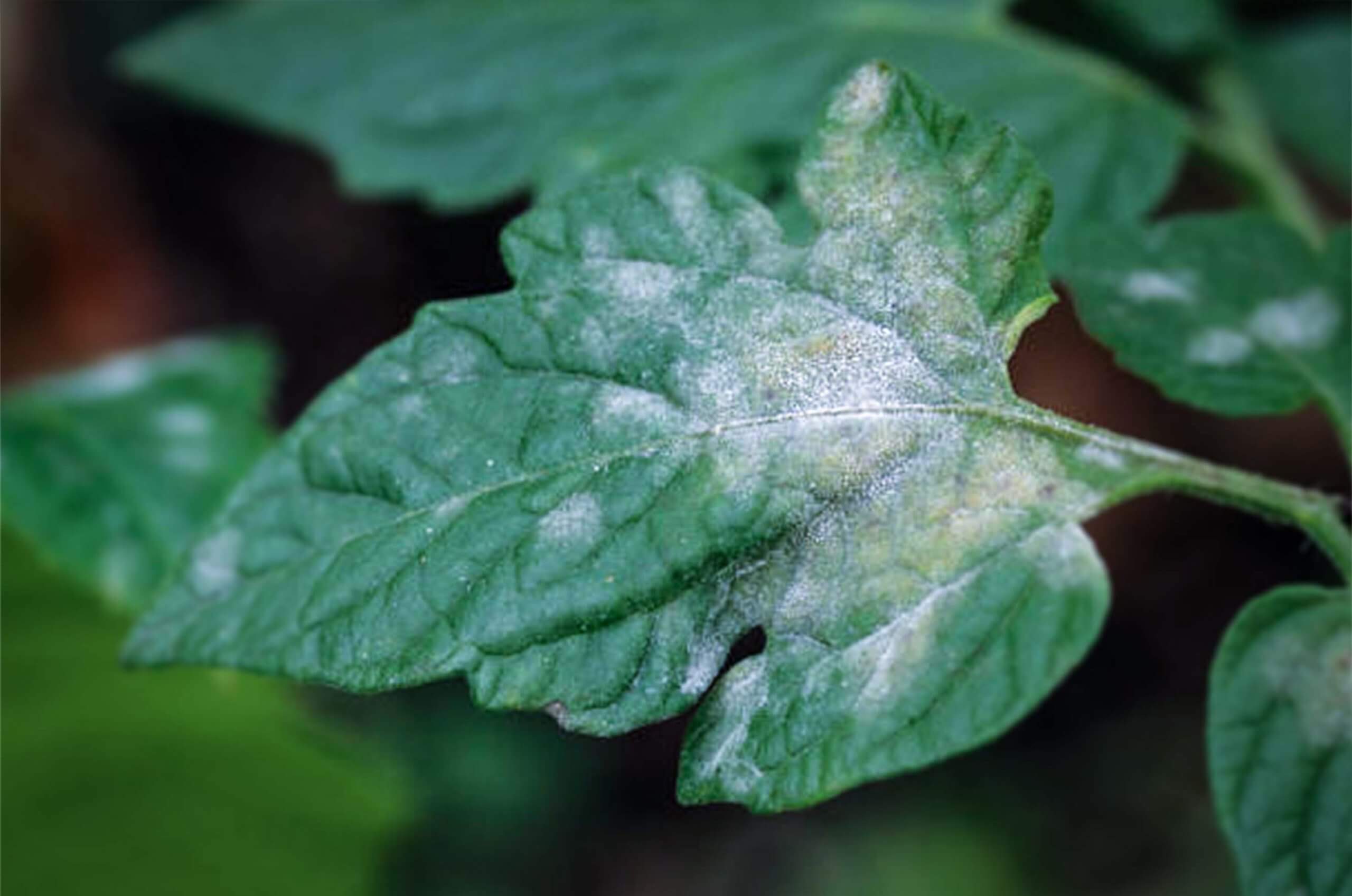
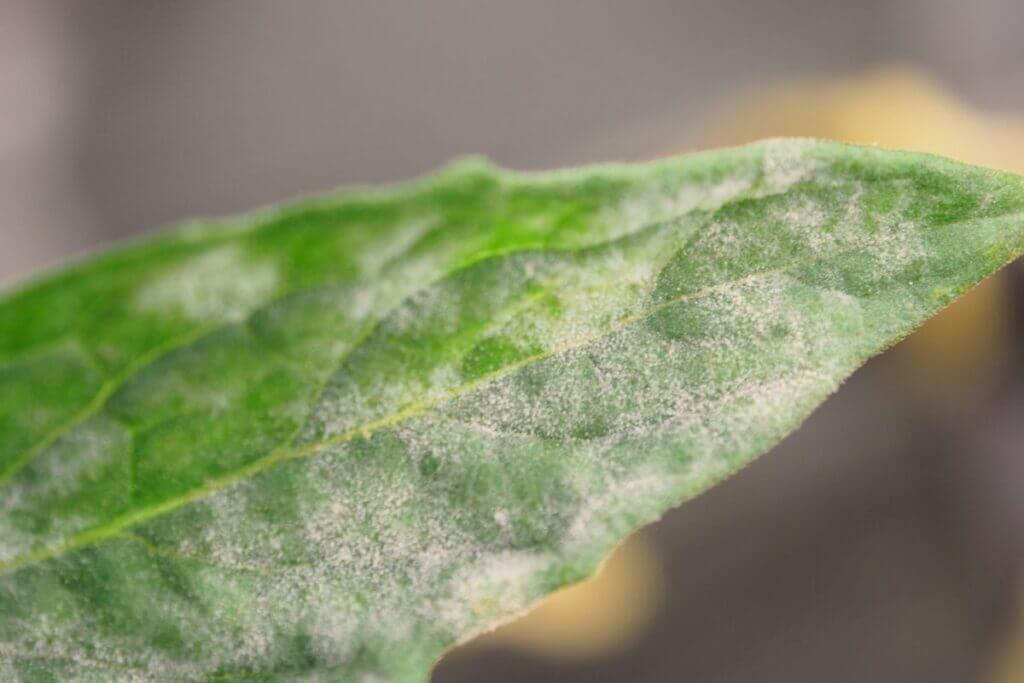
The powdery mildew disease caused by these fungi in plants is visible mainly on the surface of the leaves, although it can also affect stems and flowers. This disease is very characteristic and easy to identify by the presence of a white or grayish powder on the surface of the plant. The infection causes general weakening of the plant, reducing its photosynthetic capacity and, in severe cases, can lead to premature defoliation. Affected plants show:
- Appearance of whitish Taches on leaves and shoots.
- Rolled or deformed leaves.
- Slowed and stunted plant growth.
- Reduced or deformed flowering.
- Fruits with superficial Taches or deformations.
- Loss of general vigor in the plant.
- Necrosis in severely affected tissues.


TEMPERATURE AND HUMIDITY
15°C - 25°C
40% - 80%

TRANSMISSION PATHS
Wind, contaminated tools, direct contact between plants, insect vectors, infected plant remains
Do you want to remove this disease? Choose how you want to treat it.

TREATMENTS
Chemical treatment
• ORANGE OIL 6% [SL] P/V
• ORANGE OIL 60g/L [ME] P/S
• AZOXISTROBIN 25% [SC] P/V
• SULFUR 80% [SC] P/V
• SULFUR 80% [WG] P/P
• SULFUR 80% [WP] P/P
• CIFLUFENAMID 10% [SC] P/V
• POTASSIUM HYDROGEN CARBONATE 85% [SP] P/P
• METRAPHENONE 50% [SC] P/V
• TETRACONAZOLE 10% [EC] P/V
• TETRACONAZOLE 12.5% [ME] P/V
• TETRACONAZOLE 4% [ME] P/V
Authorized treatments in organic farming
• ORANGE OIL 6% [SL] P/V
• ORANGE OIL 60g/L [ME] P/S
• SULFUR 80% [SC] P/V
• SULFUR 80% [WG] P/P
• SULFUR 80% [WP] P/P
• POTASSIUM HYDROGEN CARBONATE 85% [SP] P/P
Biological control
• Bacillus pumilus strain QST 2808 (1x10E9 CFU/g) 14.35g/L [SC] P/V
• PYTHIUM OLIGANDRUM (strain M1) 17.5% [WP] P/P
Recommendations
- Carry out regular pruning to improve air circulation in the foliage.
- Maintain an adequate distance between plants to reduce the relative humidity in the growing area.
- Use plant varieties resistant to powdery mildew when possible.
- Apply preventive fungicides in periods of greater susceptibility.
- Remove and destroy remains of infected plants at the end of the growing season.
- Avoid sprinkler irrigation that wets the foliage, opting for drip irrigation.
- Constantly monitor plants for early detection of powdery mildew.
- Implement crop rotation practices to reduce the persistence of the fungus in the soil.
- Use biological products such as neem extracts or baking soda for preventive control.
- Improve soil fertilization to strengthen the natural resistance of plants.
Sponsored link
Sponsored link


Sponsored link
Sponsored link
Sponsored link


Sponsored link
Sponsored link
Effective against all types of fungi

Sponsored link


Sponsored link
Sponsored link

Sponsored link


Sponsored link
*The recommended treatments are still recommendations according to the databases of the authorities and at no time do they replace the guidelines established according to the legislation of each country
*The products shown are recommendations and are not our own products. As Amazon Associates, we earn revenue from purchases of recommended products.

TREATMENTS
Homemade treatments
There are no home treatments
Natural allies
Chemical treatments
There are no treatments for this disease. Treatments are directed at the insect vectors that transmit it. See insect treatments.

RECOMMENDATIONS

REPELLENT PLANTS
RECOMMENDED PRODUCTS TO ELIMINATE THIS PEST
Sponsored link
Sponsored link
Sponsored link
Sponsored link
Sponsored link
Sponsored link
Sponsored link
Effective against all types of fungi
Sponsored link
Sponsored link
Sponsored link
Sponsored link
Sponsored link
*The recommended treatments are still recommendations according to the databases of the authorities and at no time do they replace the guidelines established according to the legislation of each country
*The products shown are recommendations and are not our own products. As Amazon Associates, we earn revenue from purchases of recommended products.

Enjoy idMicrobe TOTALLY FREE, with no trial periods.


