

Cocoids Or Scale Insects (Coccoidea)
Cocoids Or Scale Insects (Coccoidea)
Pathogen:
Type:
Insect
Risk:
HIGH
Mora
Escamas

WHO CAUSES IT?
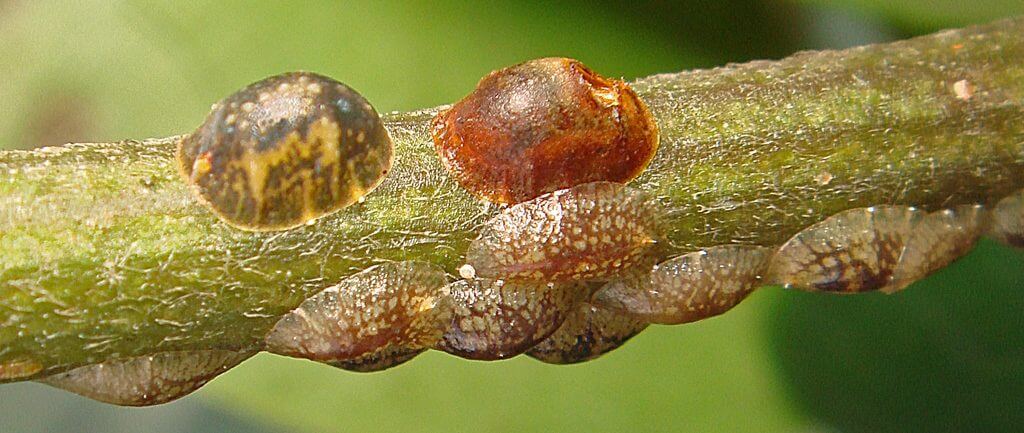
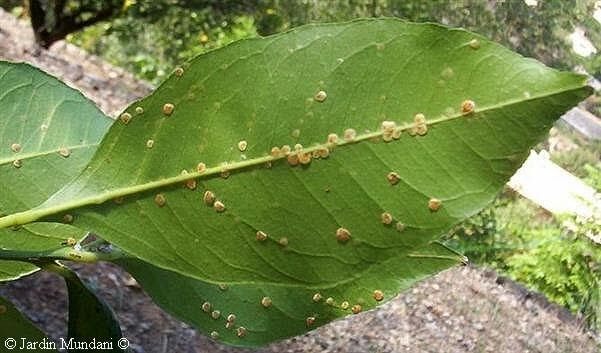
Coccoids, or scale insects (Coccoidea), are a group of insects belonging to the superfamily Coccoidea. These insects have a complex life cycle that includes several stages. The eggs are deposited by adult females under their body or in a protective structure called an ovisac. After hatching, the nymphs, also known as "crawlers", are mobile and look for a suitable place on the plant to feed. Once they find a suitable site, the nymphs attach themselves to the plant and begin to feed on the sap, developing a protective waxy covering. This immobile phase can last several weeks, depending on environmental conditions. Coccoids go through several molts before reaching maturity. Adult females generally remain motionless and continue feeding, while males, if present, are usually winged and do not feed at this stage. Reproduction can be sexual or parthenogenetic, depending on the species.
.png)
SYMPTOMS
In blackberry, coccoids cause a disease that significantly affects the health and productivity of the plant. These insects suck the sap, weakening the growth and vigor of the blackberry. In addition, they excrete honeydew, a sticky substance that can encourage the development of fungi such as sooty mold, further affecting photosynthesis and the aesthetics of the plant.
- Yellowing and premature leaf fall.
- Loss of vigor and reduced plant growth.
- Appearance of black Taches (sooty mold) on leaves and stems.
- Deformation of fruits and decrease in quality.
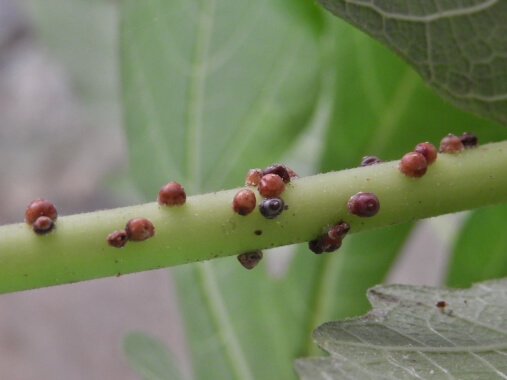
- Presence of small scales visible on stems and leaves.
- Accumulation of honeydew on the surface of the plant.
- General weakening of the plant, making it more susceptible to other pests and diseases.


TEMPERATURE AND HUMIDITY
20°C - 30°C
70% - 90%

TRANSMISSION PATHS
Wind, Direct contact between plants, Movement of infested plants, Contaminated tools
Do you want to remove this disease? Choose how you want to treat it.

TREATMENTS
Chemical treatment
• RAPE OIL 1.53% [AL] P/V
• RAPE OIL 848.24 g/l [EC] P/V
• ORANGE OIL 60g/L [ME] P/S
• PARAFFIN OIL (CAS [8042-47-5]) 54.6% [EW] P/V
• PARAFFIN OIL (CAS [97862-82-3]) 40% [EW] P/V
• PARAFFIN OIL (CAS [97862-82-3]) 80% [EC] P/V
• AZADIRACTIN 1% (AS AZADIRACTIN A) [EC] P/V
• Azadirachtin 2.6% (AS AZADIRACTIN A) [EC] P/V
• MALTODEXTRIN 47.6% [SL] P/V
• POTASSIUM SALTS OF FATTY ACIDS C14-C20 48% [EW] P/V
Authorized treatments in organic farming
• RAPE OIL 1.53% [AL] P/V
• RAPE OIL 848.24 g/l [EC] P/V
• ORANGE OIL 60g/L [ME] P/S
• PARAFFIN OIL (CAS [8042-47-5]) 54.6% [EW] P/V
• PARAFFIN OIL (CAS [97862-82-3]) 40% [EW] P/V
• PARAFFIN OIL (CAS [97862-82-3]) 80% [EC] P/V
• AZADIRACTIN 1% (AS AZADIRACTIN A) [EC] P/V
• Azadirachtin 2.6% (AS AZADIRACTIN A) [EC] P/V
• MALTODEXTRIN 47.6% [SL] P/V
• POTASSIUM SALTS OF FATTY ACIDS C14-C20 48% [EW] P/V
Biological control
• APHYTIS MELINUS (Parasitoid and predatory insects)
• CHRYSOPERLA CARNEA (Parasitoid and predatory insects)
• RHYZOBIUS LOPHANTHAE (Parasitoid and predatory insects)
Recommendations
- Regularly monitor plants to detect the presence of coccoids in early stages.
- Promote biodiversity in cultivation to encourage the presence of natural enemies of coccoids, such as ladybugs and parasitoid wasps.
- Apply horticultural oils during the winter to suffocate dormant eggs and nymphs.
- Use potassium soap or oil-based insecticides to treat minor infestations.
- Prune and eliminate infested parts of the plant to reduce the coccoid population.
- Implement crop rotation and avoid continuously planting blackberries in the same place.
- Apply specific insecticides only when necessary and according to technical recommendations, to avoid resistance.
- Maintain adequate nutrition and irrigation of plants to strengthen their natural resistance against infestations.
Sponsored link
Sponsored link


Sponsored link
Sponsored link
Sponsored link


Sponsored link
Sponsored link
Effective against all types of fungi

Sponsored link


Sponsored link
Sponsored link

Sponsored link


Sponsored link
*The recommended treatments are still recommendations according to the databases of the authorities and at no time do they replace the guidelines established according to the legislation of each country
*The products shown are recommendations and are not our own products. As Amazon Associates, we earn revenue from purchases of recommended products.

TREATMENTS
Homemade treatments
There are no home treatments
Natural allies
Chemical treatments
There are no treatments for this disease. Treatments are directed at the insect vectors that transmit it. See insect treatments.

RECOMMENDATIONS

REPELLENT PLANTS
RECOMMENDED PRODUCTS TO ELIMINATE THIS PEST
Sponsored link
Sponsored link
Sponsored link
Sponsored link
Sponsored link
Sponsored link
Sponsored link
Effective against all types of fungi
Sponsored link
Sponsored link
Sponsored link
Sponsored link
Sponsored link
*The recommended treatments are still recommendations according to the databases of the authorities and at no time do they replace the guidelines established according to the legislation of each country
*The products shown are recommendations and are not our own products. As Amazon Associates, we earn revenue from purchases of recommended products.

Enjoy idMicrobe TOTALLY FREE, with no trial periods.


