

Symptoms, treatments, and recommendations for treating black marrow or bone marrow necrosis
Black Marrow Or Spinal Cord Necrosis
Pseudomonas Corrugata
Pathogen:
Type:
Bacterium
Risk:
HIGH

Tomate
Bacteriosis


WHO CAUSES IT?
Pseudomonas corrugata is a phytopathogenic bacteria that affects various plants, including tomatoes. This bacteria can cause a disease known as tomato black marrow or marrow necrosis, which can have a significant impact on the quality and yield of tomato crops.
.png)
SYMPTOMS
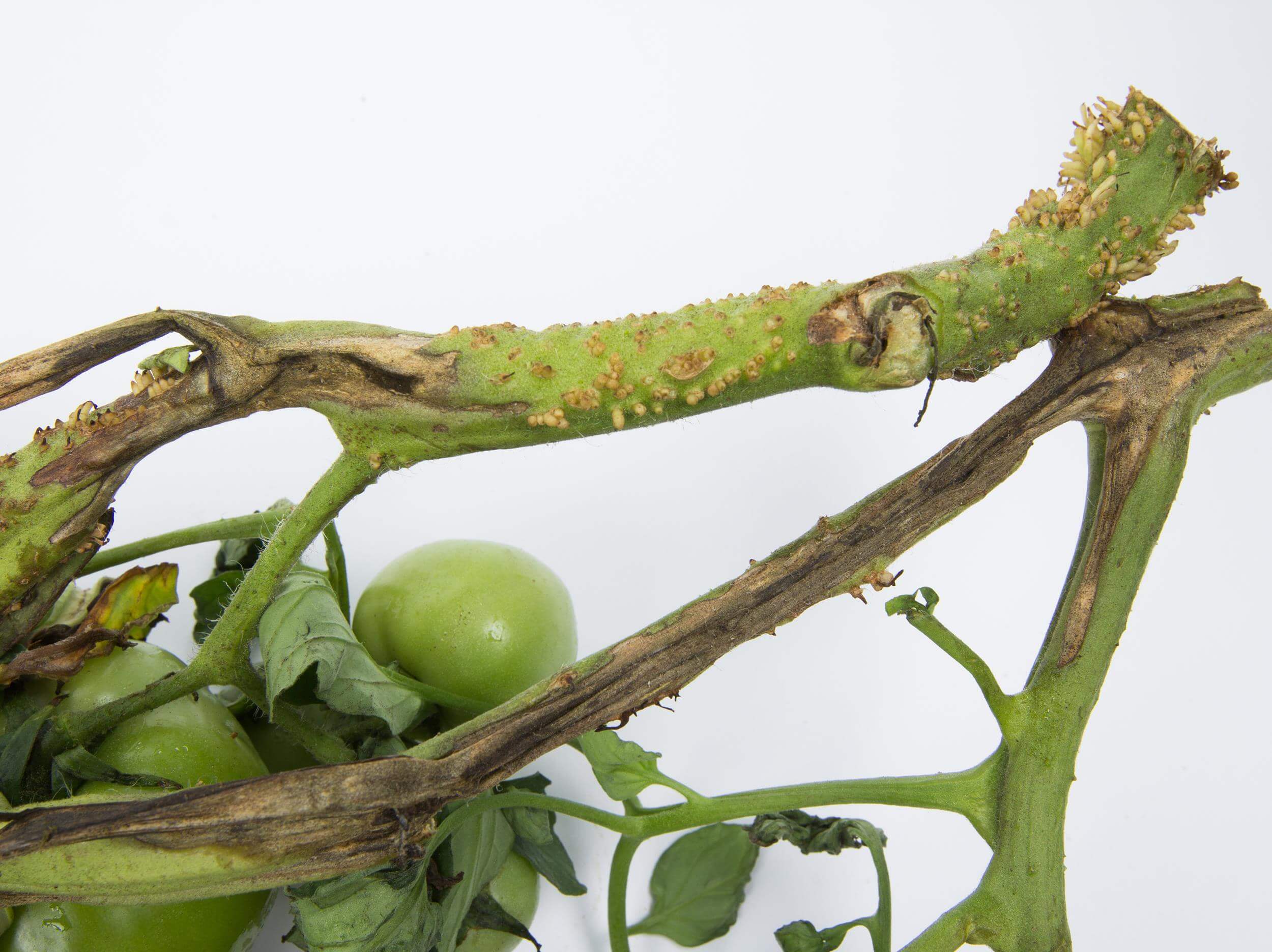
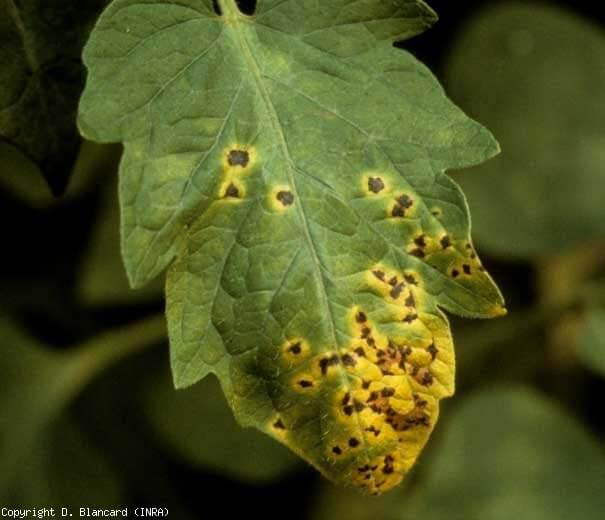
In tomato, the disease caused by Pseudomonas corrugata manifests itself mainly as necrotic lesions on the leaves, with dark edges and a light brown center. These lesions usually appear on the oldest leaves of the plant and can extend to the stems and fruits, causing the destruction of plant tissue and reduced yield.


TEMPERATURE AND HUMIDITY
20°C - 30°C
80% - 95%

TRANSMISSION PATHS
Contaminated irrigation water, undisinfected agricultural tools, handling of infected plants and dispersal by insect vectors.
Do you want to remove this disease? Choose how you want to treat it.

TREATMENTS
Chemical treatment
• CAPTAIN 80% [WG] P/P
• COPPER OXYCHLORIDE 35% (exp. in Cu) [WG] P/P
• COPPER OXYCHLORIDE 35% (EXPR. IN CU) [WG] P/P
• COPPER OXYCHLORIDE 50% (EXPR. IN CU) [WP] P/P
• CUPROCALCIC SULFATE 20% (EXPR. IN CU) [WG] P/P
Authorized treatments in organic farming
• COPPER OXYCHLORIDE 35% (exp. in Cu) [WG] P/P
• COPPER OXYCHLORIDE 35% (EXPR. IN CU) [WG] P/P
• COPPER OXYCHLORIDE 50% (EXPR. IN CU) [WP] P/P
• CUPROCALCIC SULFATE 20% (EXPR. IN CU) [WG] P/P
Biological control
• BACILLUS SUBTILIS (STRAIN QST 713) 1.34% [SC] P/V
Recommendations
To prevent and control the disease caused by Pseudomonas corrugata in tomato crops, it is essential to implement integrated pest management practices. This includes rotating crops, using certified pathogen-free seeds, removing infected plants, and applying preventive treatments such as disinfecting agricultural tools and using irrigation practices that reduce moisture in plant foliage. .
Sponsored link

Sponsored link


Sponsored link
Sponsored link
Sponsored link


Sponsored link
Sponsored link
Effective against all types of fungi

Sponsored link


Sponsored link
Sponsored link

Sponsored link


Sponsored link
*The recommended treatments are still recommendations according to the databases of the authorities and at no time do they replace the guidelines established according to the legislation of each country
*The products shown are recommendations and are not our own products. As Amazon Associates, we earn revenue from purchases of recommended products.

TREATMENTS
Homemade treatments
There are no home treatments
Natural allies
Chemical treatments
There are no treatments for this disease. Treatments are directed at the insect vectors that transmit it. See insect treatments.

RECOMMENDATIONS

REPELLENT PLANTS
RECOMMENDED PRODUCTS TO ELIMINATE THIS PEST
Sponsored link
Sponsored link
Sponsored link
Sponsored link
Sponsored link
Sponsored link
Sponsored link
Effective against all types of fungi
Sponsored link
Sponsored link
Sponsored link
Sponsored link
Sponsored link
*The recommended treatments are still recommendations according to the databases of the authorities and at no time do they replace the guidelines established according to the legislation of each country
*The products shown are recommendations and are not our own products. As Amazon Associates, we earn revenue from purchases of recommended products.

Enjoy idMicrobe TOTALLY FREE, with no trial periods.


