

Maíz
How to recognize and combat corn leafhopper or leafhopper in corn
Corn Leafhopper Or Leafhopper
Insect
Type:
Risk to the plant:
HIGH
Peregrinus Maidis
Pathogen:
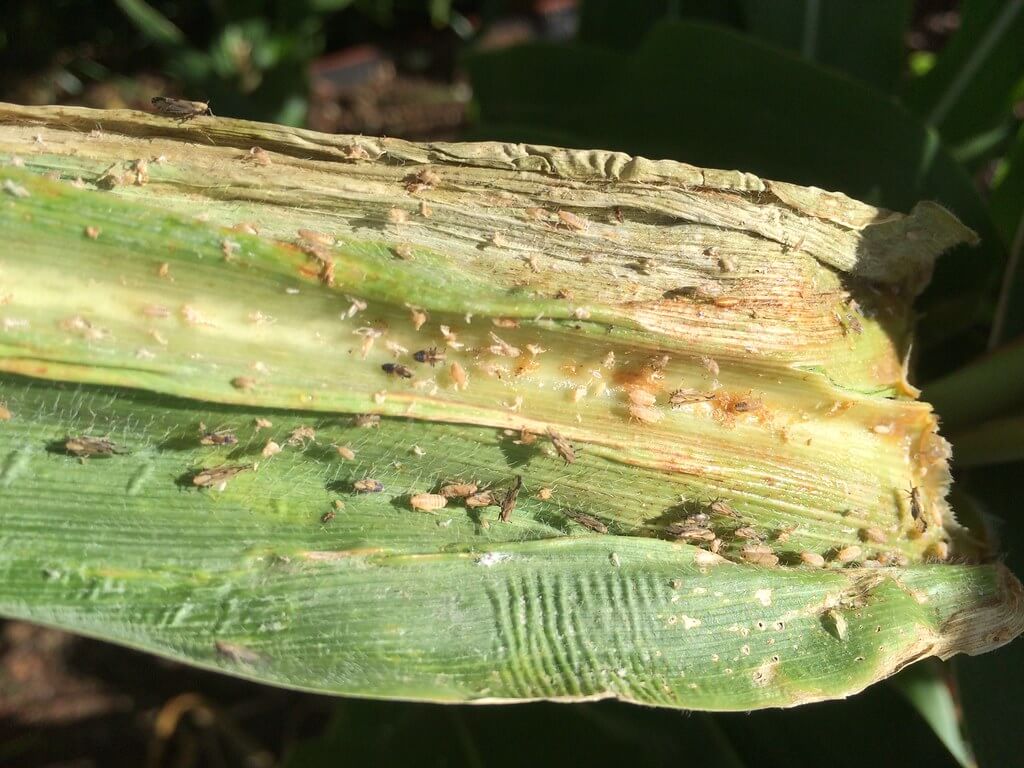
Chicharritas


WHO CAUSES IT?
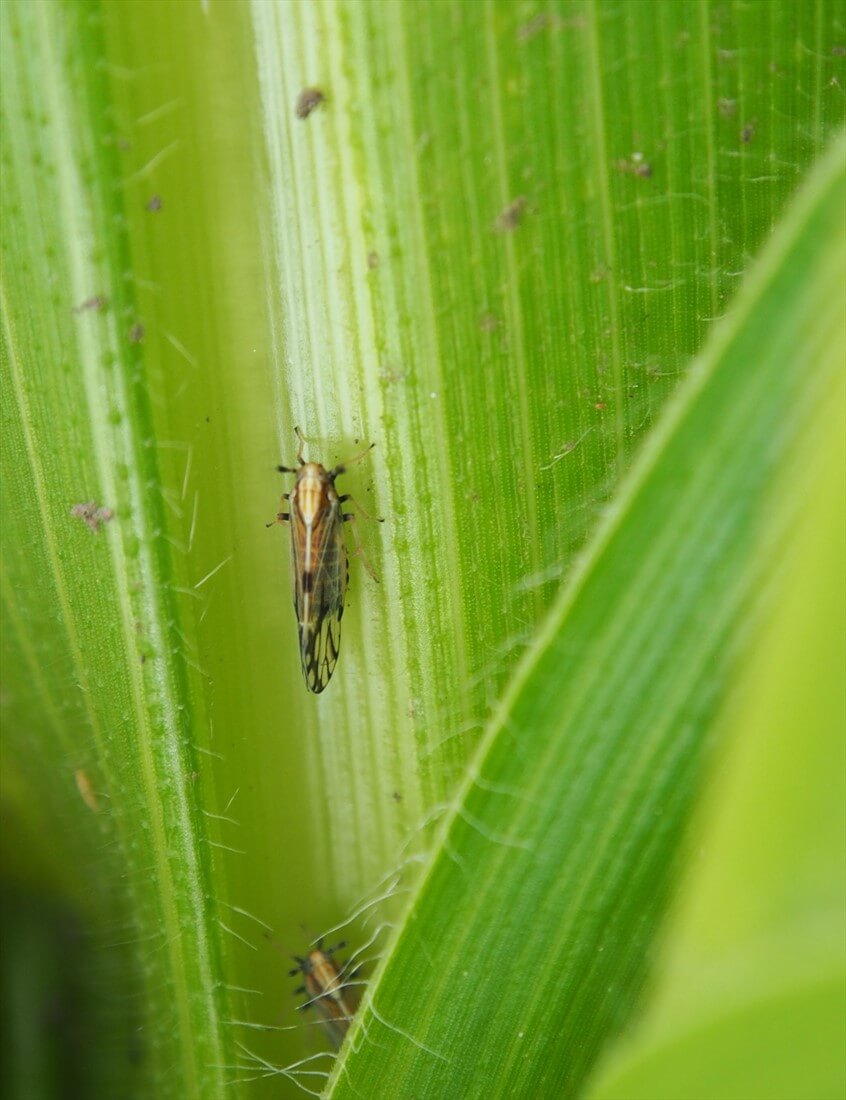
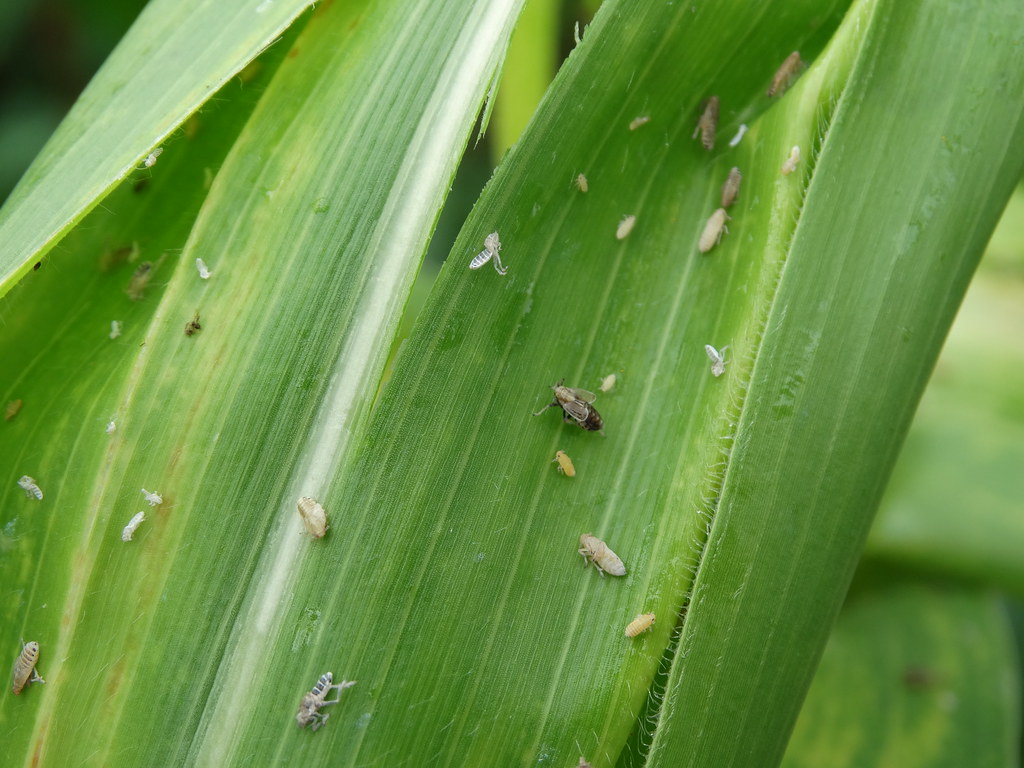
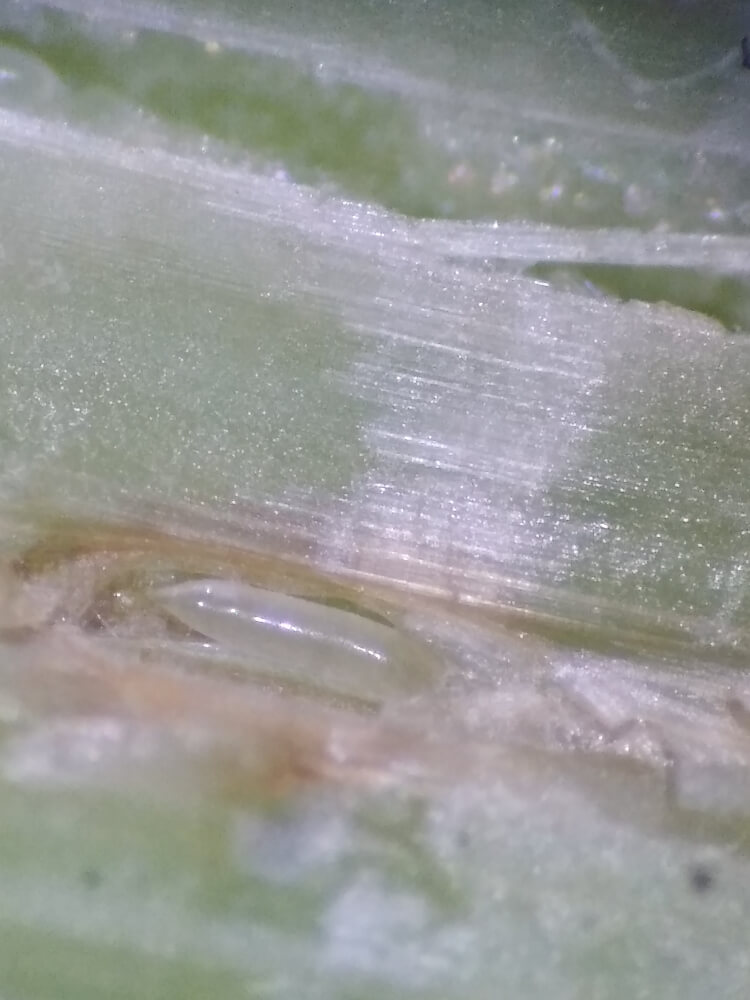
Peregrinus maidis, known as the corn leafhopper or leafhopper, is a hemipteran insect of the Delphacidae family. This insect goes through several stages of development, beginning with eggs that are laid on the leaves or stems of corn plants. After hatching, the nymphs go through five nymphal stages before becoming adults. During each instar, the nymphs feed on plant sap by inserting their stylets into the conducting vessels. Adults, which can be winged or wingless, also feed on sap and are highly mobile, allowing them to disperse and colonize new plants quickly. Adult females can lay up to 300 eggs throughout their life, which contributes to the rapid proliferation of the pest under favorable conditions.
.png)
SYMPTOMS
Infestation by Peregrinus maidis in corn causes a series of symptoms that affect the growth and yield of the plants. These insects not only damage plants directly by sucking sap, but they are also vectors for viral diseases such as Corn Streak Virus. Affected plants show signs of stress and weakening, which results in lower productivity.
- Yellowing and wilting of leaves.
- Dwarfism and growth retardation.
- Chlorotic Taches on the leaves.
- Reduction in the size and number of ears.
- Appearance of rolled and deformed leaves.
- Transmission of viruses that cause additional diseases.


DEVELOPMENT CONDITIONS
Temperature:
25°C - 30°C
Humidity:
70% - 90%

HOW IS IT SPREAD?
Contact between plants, wind, contaminated tools, insects vectors

HOW TO ELIMINATE IT?
Home treatments
There are no home treatments
Natural allies
Chemical treatments
There are no treatments for this disease. Treatments are directed at the insect vectors that transmit it. See insect treatments.
RECOMMENDED PRODUCTS TO ELIMINATE THE PEST
Sponsored link

Sponsored link


Sponsored link
Sponsored link
Sponsored link


Sponsored link
Sponsored link
Effective against all types of fungi

Sponsored link


Sponsored link
Sponsored link

Sponsored link


Sponsored link

REPELLENT PLANTS

RECOMMENDATIONS
OTHER PESTS THAT MAY INTEREST YOU


DID YOU LIKE IT?
All this and much more, just a click away. TRY idMicrobe NOW!


