

Soja
How to recognize and combat Asian rust in soybeans
Asian Rust
Fungus
Type:
Risk to the plant:
HIGH
Phakopsora Pachyrhizi
Pathogen:
Royas


WHO CAUSES IT?
Asian rust, caused by the fungus Phakopsora pachyrhizi, is a devastating disease that affects soybeans, being considered one of the main threats to soybean crops. This pathogen can cause significant economic losses due to its ability to spread rapidly and cause serious damage to plants.
.png)
SYMPTOMS
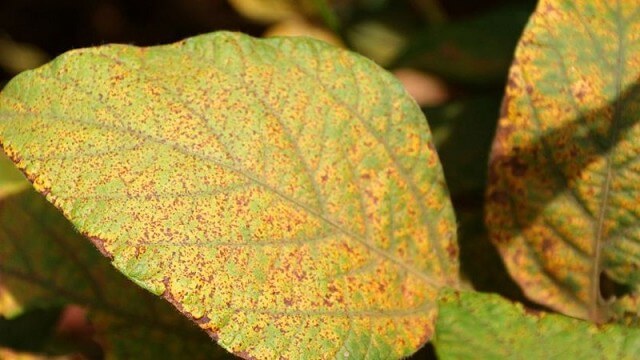
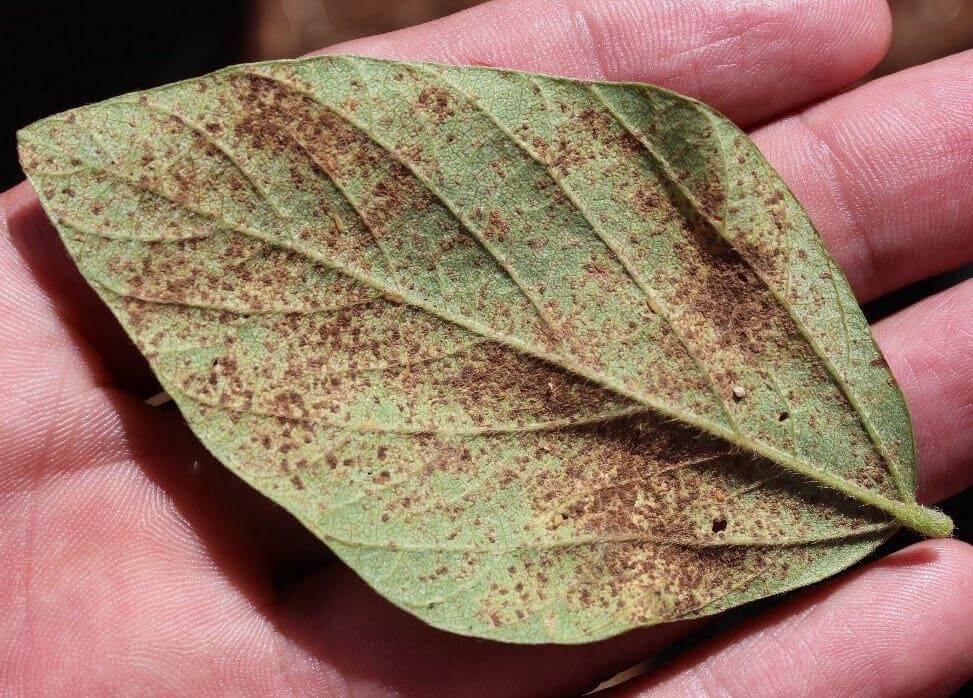
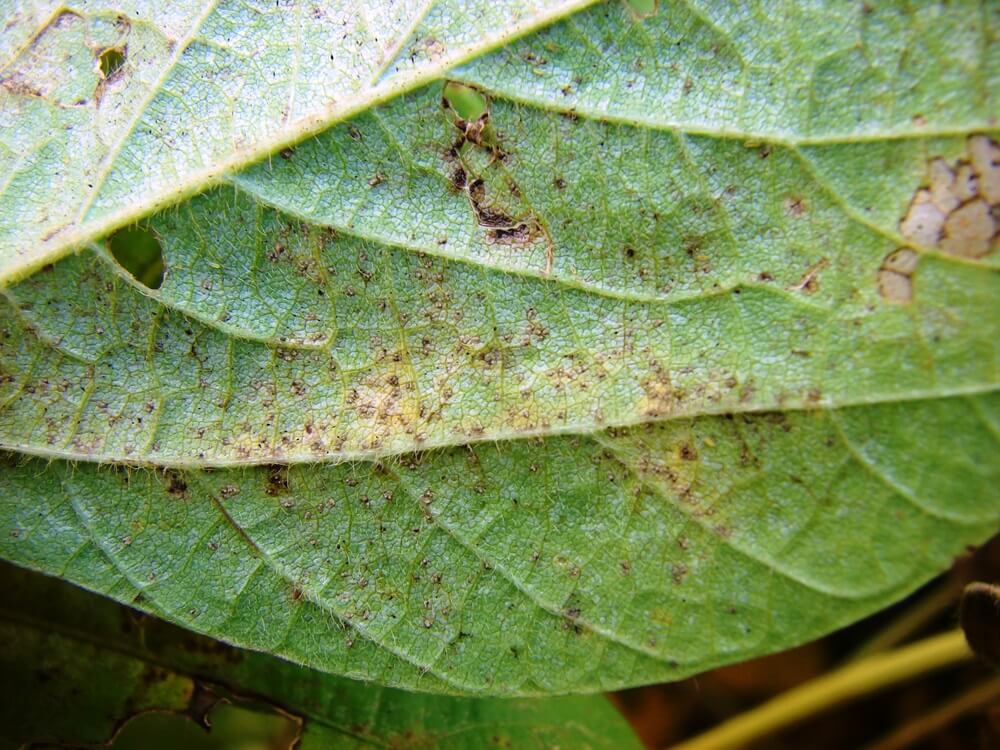
In soybeans, Asian rust produces symptoms that include the formation of yellow to orange Taches on the undersides of leaves, which are covered by dark brown pustules on the upper surface. These pustules contain spores of the fungus, which can easily disperse and cause new infections in nearby plants. Additionally, severe infection can lead to premature defoliation and reduced crop yield.


DEVELOPMENT CONDITIONS
Temperature:
20°C - 25°C
Humidity:
80% - 90%

HOW IS IT SPREAD?
Wind, agricultural tools, irrigation water, vegetative propagation.

HOW TO ELIMINATE IT?
Home treatments
There are no home treatments
Natural allies
Chemical treatments
There are no treatments for this disease. Treatments are directed at the insect vectors that transmit it. See insect treatments.
RECOMMENDED PRODUCTS TO ELIMINATE THE PEST
Sponsored link

Sponsored link


Sponsored link
Sponsored link
Sponsored link


Sponsored link
Sponsored link
Effective against all types of fungi

Sponsored link


Sponsored link
Sponsored link

Sponsored link


Sponsored link

REPELLENT PLANTS

RECOMMENDATIONS
OTHER PESTS THAT MAY INTEREST YOU


DID YOU LIKE IT?
All this and much more, just a click away. TRY idMicrobe NOW!


