

Bacteriosis
Xanthomonas Sp., Pseudomonas Sp.
Pathogen:
Type:
Bacterium
Risk:
HIGH
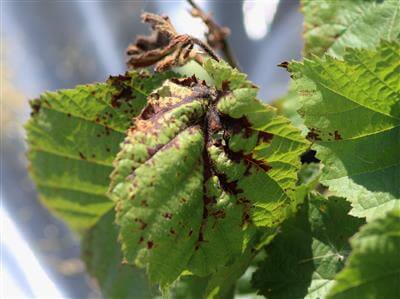
Plantas decorativas de jardín y/o interior
Bacteriosis

WHO CAUSES IT?
The pathogens Xanthomonas sp. and Pseudomonas sp. are bacteria that cause diseases known as bacteriosis in a wide variety of plants. These bacteria are found in soil, water and on the surface of plants. They begin their infectious cycle by entering the plant through wounds, stomata or hydathodes. Once inside, they multiply in the intercellular space and produce enzymes that break down cell walls, causing necrosis and other damage to plant tissues. These bacteria can survive on plant debris, contaminated seeds and in soil, facilitating reinfection in the following growing season. Dispersion occurs through irrigation water, rain splash, wind, insects and contaminated tools. In addition, certain species can form biofilms that protect them from adverse conditions and phytosanitary treatments.
.png)
SYMPTOMS
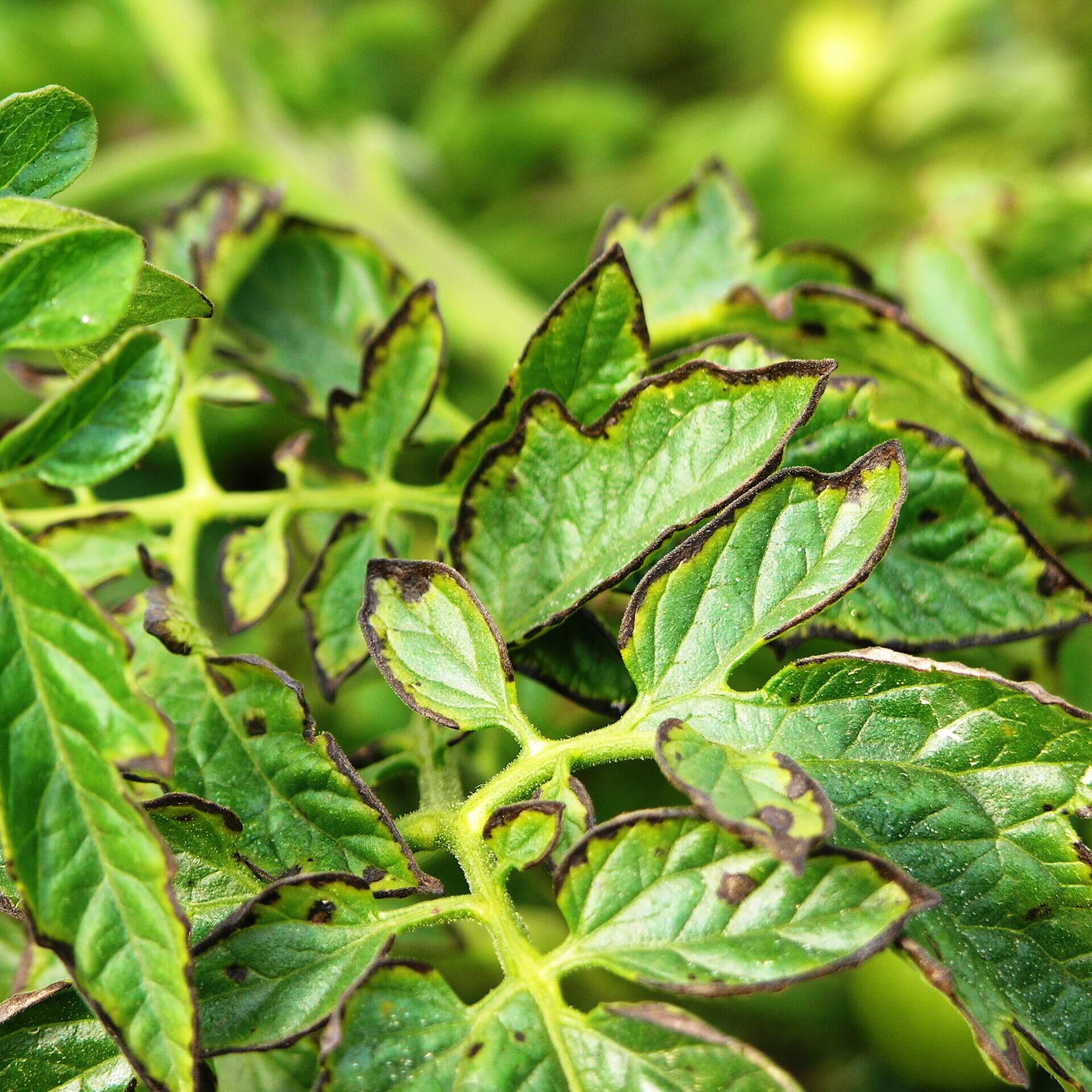
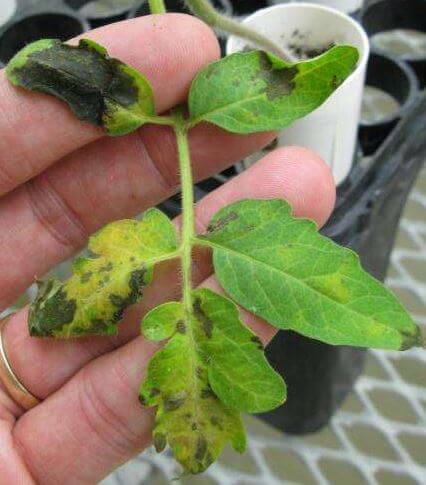
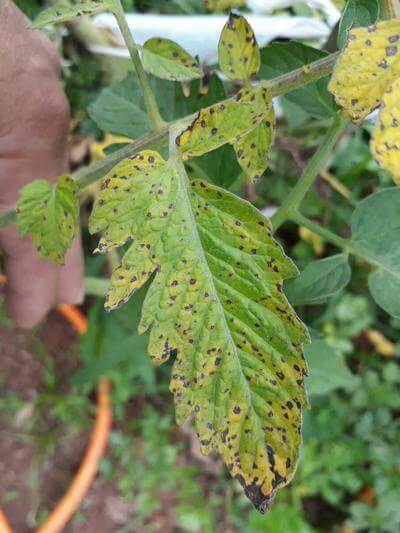
The disease caused by Xanthomonas sp. and Pseudomonas sp. in plants it manifests with symptoms that significantly affect the health and productivity of the plants. These bacteria cause leaf Taches, cankers on stems and fruits, and root rot. The initial infection usually begins as small watery Taches that expand and necrotize, developing into dark brown or black Taches with yellow halos. In severe infections, they can lead to defoliation, reduced growth and, in extreme cases, plant death.
- Watery Taches on leaves that expand and necrotize.
- Yellow halos around the Taches.
- Cankers on stems and fruits.
- Root rot.
- Premature defoliation.
- Reduction of plant growth.
- Wilting and collapse of the plant.
- Death of the plant in severe infections.


TEMPERATURE AND HUMIDITY
20°C - 30°C
70% - 90%

TRANSMISSION ROUTES
Irrigation water, rain splashes, wind, insects, contaminated tools, direct contact between plants, contaminated seeds, infected plant remains, soil
Do you want to remove this disease? Choose how you want to treat it.

TREATMENTS
Chemical treatments
• FOSETIL-AL 80% [WG] P/P
• CUPRIC HYDROXIDE 25% (EXPR. IN CU) [WG] P/P
• CUPRIC HYDROXIDE 50% (EXPR. IN CU) [WP] P/P
• COPPER OXYCHLORIDE 30% (EXPR. IN CU) [WP] P/P
• COPPER OXYCHLORIDE 35% (exp. in Cu) [WG] P/P
• COPPER OXYCHLORIDE 35% (EXPR. IN CU) [WG] P/P
• COPPER OXYCHLORIDE 38% (EXPR. IN CU) [SC] P/V
• COPPER OXYCHLORIDE 50% (EXPR. IN CU) [WP] P/P
• COPPER OXYCHLORIDE 52% (EXPR. IN CU) [SC] P/V
• CUPROUS OXIDE 50% (EXPR. IN CU) [WP] P/P
• CUPROCALCIC SULFATE 20% (EXPR. IN CU) [WG] P/P
• CUPROCALCIC SULFATE 20% (EXPR. IN CU) [WP] P/P
• TRIBASIC COPPER SULFATE 19% (EXPR. IN CU) [SC] P/V
Treatments allowed in organic farming
• CUPRIC HYDROXIDE 25% (EXPR. IN CU) [WG] P/P
• CUPRIC HYDROXIDE 50% (EXPR. IN CU) [WP] P/P
• COPPER OXYCHLORIDE 30% (EXPR. IN CU) [WP] P/P
• COPPER OXYCHLORIDE 35% (exp. in Cu) [WG] P/P
• COPPER OXYCHLORIDE 35% (EXPR. IN CU) [WG] P/P
• COPPER OXYCHLORIDE 38% (EXPR. IN CU) [SC] P/V
• COPPER OXYCHLORIDE 50% (EXPR. IN CU) [WP] P/P
• COPPER OXYCHLORIDE 52% (EXPR. IN CU) [SC] P/V
• CUPROUS OXIDE 50% (EXPR. IN CU) [WP] P/P
• CUPROCALCIC SULFATE 20% (EXPR. IN CU) [WG] P/P
• CUPROCALCIC SULFATE 20% (EXPR. IN CU) [WP] P/P
• TRIBASIC COPPER SULFATE 19% (EXPR. IN CU) [SC] P/V
Biological treatments
• BACILLUS SUBTILIS (STRAIN QST 713) 1.34% [SC] P/V
Recommendations
- Use certified pathogen-free seeds to avoid the introduction of bacteria into the crop.
- Implement crop rotation to interrupt the life cycle of bacteria in the soil.
- Maintain an adequate distance between plants to improve air circulation and reduce humidity.
- Avoid sprinkler irrigation, which can spread bacteria through splashing water.
- Remove and destroy remains of infected crops and plants to reduce the source of inoculum.
- Disinfect garden tools and equipment regularly to prevent the spread of bacteria.
- Apply treatments with appropriate bactericides according to technical recommendations and carry out preventive applications.
- Regularly monitor plants for early detection of symptoms and apply timely control measures.
- Promote the use of plant varieties resistant to bacteriosis.
- Maintain adequate soil and nutrient management to strengthen the natural resistance of plants to infections.
Sponsored link
Sponsored link


Sponsored link
Sponsored link
Sponsored link


Sponsored link
Sponsored link
Effective against all types of fungi

Sponsored link


Sponsored link
Sponsored link

Sponsored link


Sponsored link
*The recommended treatments are recommendations based on the authorities' databases and in no way replace the guidelines established by the legislation of each country.
*Products shown are recommendations and not our own products. As Amazon Associates, we earn revenue from purchases of recommended products.

TREATMENTS
Homemade remedies
There are no home treatments
Natural allies
Chemical treatments
There are no treatments for this disease. Treatments are directed at the insect vectors that transmit it. See insect treatments.

RECOMMENDATIONS

REPELLENT PLANTS
EFFECTIVE PRODUCTS TO ELIMINATE THIS DISEASE
Sponsored link
Sponsored link
Sponsored link
Sponsored link
Sponsored link
Sponsored link
Sponsored link
Effective against all types of fungi
Sponsored link
Sponsored link
Sponsored link
Sponsored link
Sponsored link
*The recommended treatments are recommendations based on the authorities' databases and in no way replace the guidelines established by the legislation of each country.
*Products shown are recommendations and not our own products. As Amazon Associates, we earn revenue from purchases of recommended products.

Enjoy idMicrobe TOTALLY FREE, with no trial periods.


