

Dry ends
-
Pathogen:
Type:
Environmental stress
Risk:
INTERMEDIÁRIO
Plantas decorativas de jardín y/o interior
Estrés ambiental

WHO CAUSES IT?
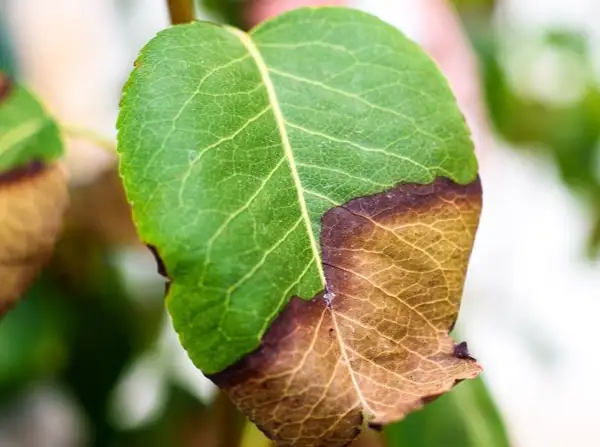
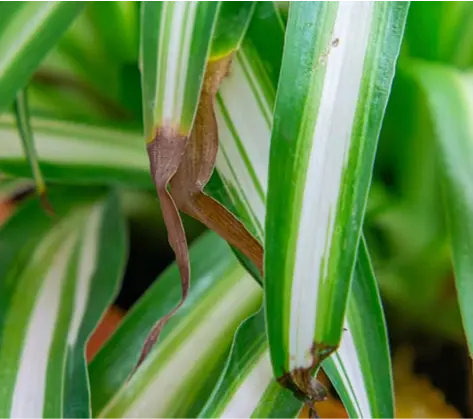
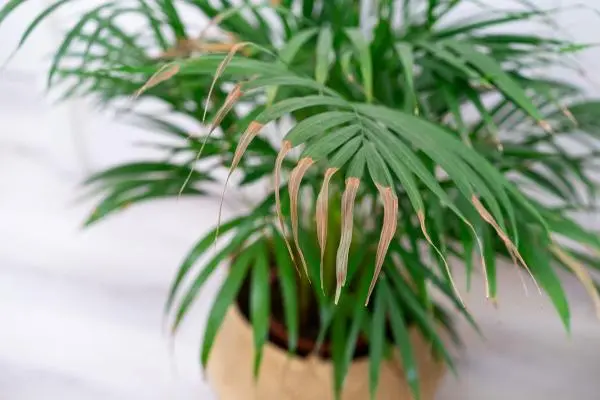
Dry leaf tips are a very common problem and almost always indicate that the plant is experiencing some kind of stress. This usually occurs when the plant loses more water than it can absorb, which is why the tips (the most sensitive part) dry out first. It can be caused by irregular watering, a dry environment, drafts, excess fertilizer, salt buildup in the soil, or even excessive heat or direct sunlight. It's not a disease, but rather a sign that something in the environment or in the plant's care is wrong.
.png)
SYMPTOMS
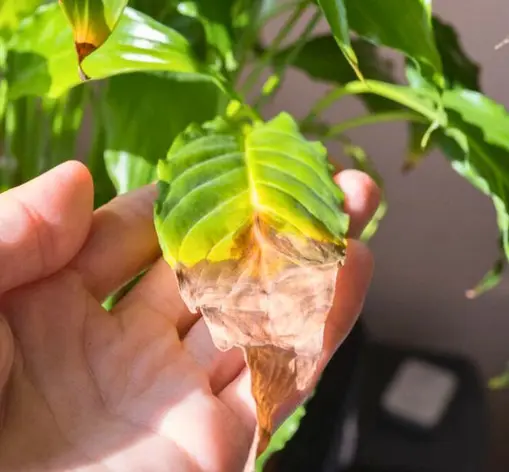
Dry leaf tips begin gradually and, if the cause is not addressed, spread to the rest of the leaf.
Typical symptoms:
• Brown, dry leaf tips.
• Burnt-looking edges.
• The leaf remains green initially, but with damaged tips.
• The damage progresses from the tip inward.
• Older leaves are usually affected first.
• In more severe cases, yellowing and leaf drop occur.
This is a progressive problem that tends to worsen if watering or environmental conditions are not corrected.
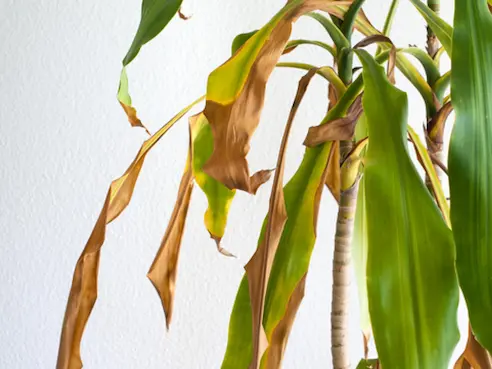
Stages of development:
• Initial: Slightly dry tips.
Intermediate stage: More visible brown areas at the tips and edges.
Advanced stage: The damage progresses inward.
Final stage: Severely damaged, dry leaves and leaf drop.

TEMPERATURE AND HUMIDITY
-
-

TRANSMISSION ROUTES
-
Do you want to remove this disease? Choose how you want to treat it.

TREATMENTS
Chemical treatments
There are no phytosanitary treatments. It is necessary to adjust irrigation, increase ambient humidity, avoid drafts (air conditioning, heating, windows), and prevent the accumulation of salts in the substrate.
Treatments allowed in organic farming
There are no phytosanitary treatments. It is necessary to adjust irrigation, increase ambient humidity, avoid drafts (air conditioning, heating, windows), and prevent the accumulation of salts in the substrate.
Biological treatments
-
Recommendations
To prevent dry tips, it's important to maintain a good balance of watering and care for the plant's environment.
• Water regularly, ensuring the plant doesn't become waterlogged or the soil doesn't become waterlogged.
• Avoid drafts (open windows, air conditioning, heating).
• Increase humidity if the environment is dry.
• Don't overuse fertilizer.
• Water thoroughly from time to time to flush out accumulated salts.
• Use good quality water if possible.
• Avoid strong direct sunlight or excessive heat.
• Ensure the potting mix drains well.
Sponsored link

Sponsored link


Sponsored link
Sponsored link
Sponsored link


Sponsored link
Sponsored link
Effective against all types of fungi

Sponsored link


Sponsored link
Sponsored link

Sponsored link


Sponsored link
*The recommended treatments are recommendations based on the authorities' databases and in no way replace the guidelines established by the legislation of each country.
*Products shown are recommendations and not our own products. As Amazon Associates, we earn revenue from purchases of recommended products.

TREATMENTS
Homemade remedies
There are no home treatments
Natural allies
Chemical treatments
There are no treatments for this disease. Treatments are directed at the insect vectors that transmit it. See insect treatments.

RECOMMENDATIONS

REPELLENT PLANTS
EFFECTIVE PRODUCTS TO ELIMINATE THIS DISEASE
Sponsored link
Sponsored link
Sponsored link
Sponsored link
Sponsored link
Sponsored link
Sponsored link
Effective against all types of fungi
Sponsored link
Sponsored link
Sponsored link
Sponsored link
Sponsored link
*The recommended treatments are recommendations based on the authorities' databases and in no way replace the guidelines established by the legislation of each country.
*Products shown are recommendations and not our own products. As Amazon Associates, we earn revenue from purchases of recommended products.

Enjoy idMicrobe TOTALLY FREE, with no trial periods.


