

Olivo
How to recognize and combat jasmine moths in olive trees
Olive Glyphodes Or Jasmine Moth
Insect
Type:
Risk to the plant:
INTERMEDIATE
Palpita Unionalis
Pathogen:

Polillas


WHO CAUSES IT?
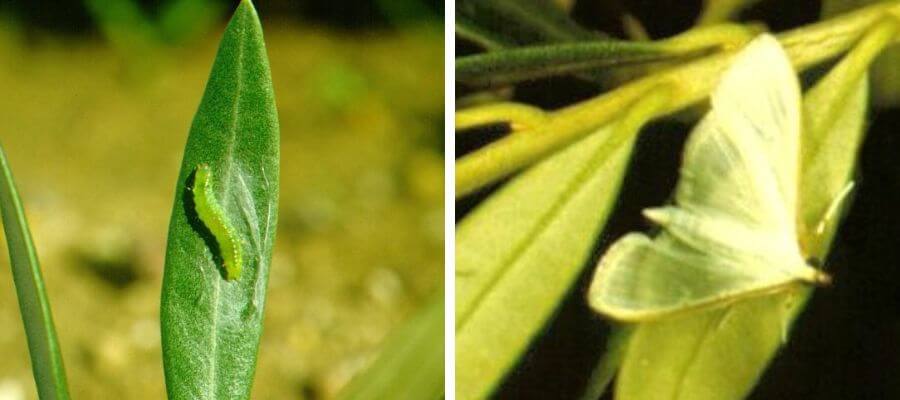
Palpita unionalis is a moth also known as the olive glyphodes or jasmine moth. The life cycle of the pathogen begins with the laying of eggs on olive leaves, especially on the terminal branches. The larvae develop inside the leaves, feeding on them. As they grow, the larvae can weave a kind of shelter with silk and leaf remains, where they continue their development until they become pupae. After the pupal stage, they emerge as adult moths.
.png)
SYMPTOMS
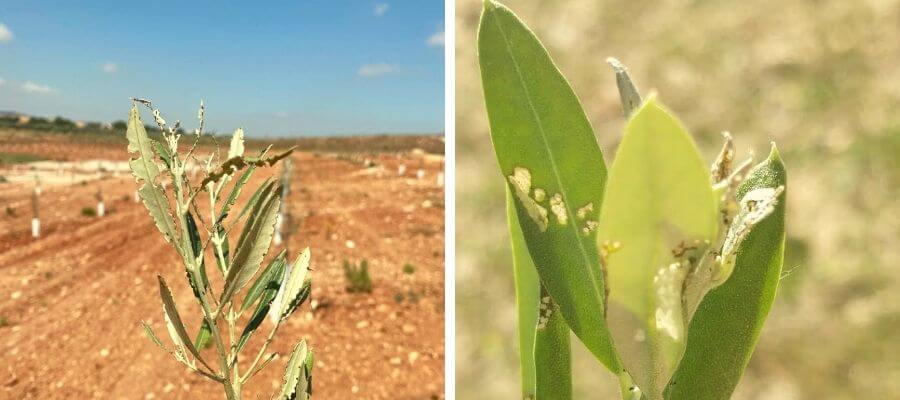
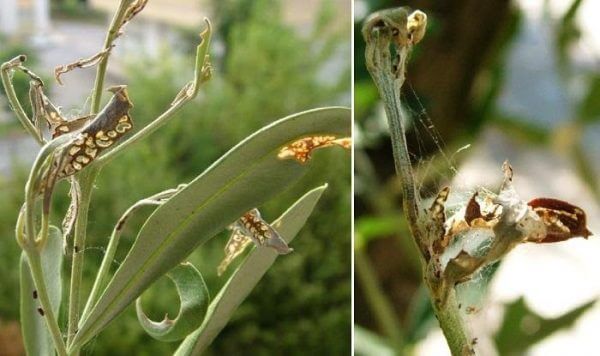
Glyphodes causes damage to the leaves and terminal branches of the olive tree. The larvae feed on the leaves, causing defoliation and, in severe cases, can compromise the growth and productivity of the tree.
• Partial or total defoliation of terminal branches.
• Damage to the leaves, especially the terminals.
• Presence of silk structures woven by the larvae.
• Delay in the growth of the olive tree.
• Loss of vigor and productivity.


DEVELOPMENT CONDITIONS
Temperature:
20°C - 30°C
Humidity:
60% - 70%

HOW IS IT SPREAD?
Movement of adult moths, eggs attached to leaves or branches, contaminated pruning tools.

HOW TO ELIMINATE IT?
Home treatments
There are no home treatments
Natural allies
Chemical treatments
There are no treatments for this disease. Treatments are directed at the insect vectors that transmit it. See insect treatments.
RECOMMENDED PRODUCTS TO ELIMINATE THE PEST
Sponsored link

Sponsored link
Sponsored link


Sponsored link
Sponsored link
Sponsored link
Sponsored link


Sponsored link
Sponsored link
Effective against all types of fungi

Sponsored link
Sponsored link


Sponsored link
Sponsored link

Sponsored link
Sponsored link


Sponsored link

PLANTAS REPELENTES

RECOMMENDATIONS
OTHER PESTS THAT MAY INTEREST YOU


DID YOU LIKE IT?
Now you can always have it on your mobile, without ads and totally FREE. TRY idMicrobe NOW!


