

Rábano
How to recognize and combat blight in radishes
Smut
Fungus
Type:
Risk to the plant:
HIGH
Alternaria Sp.
Pathogen:

Alternariosis


WHO CAUSES IT?
Alternaria sp. It is a genus of fungi that includes several plant pathogenic species, including radish. These fungi are known to produce spores that are easily dispersed through air and water. The spores germinate in favorable conditions of temperature and humidity, producing hyphae that invade plant tissues. Alternaria can survive in the remains of infected plants and in the soil, where they remain dormant until environmental conditions favor their development. Spores can be carried by wind, water and insects, making it easier to spread the disease. The infection usually starts in the leaves and spreads to other parts of the plant, causing significant damage.
.png)
SYMPTOMS
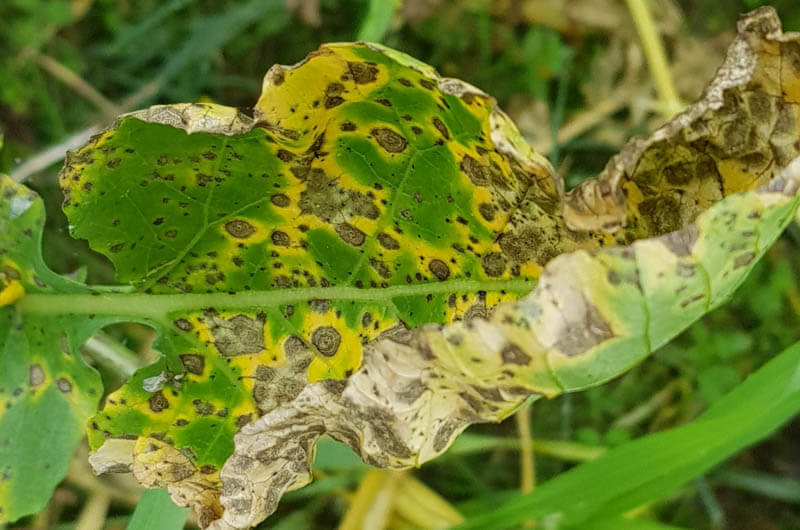
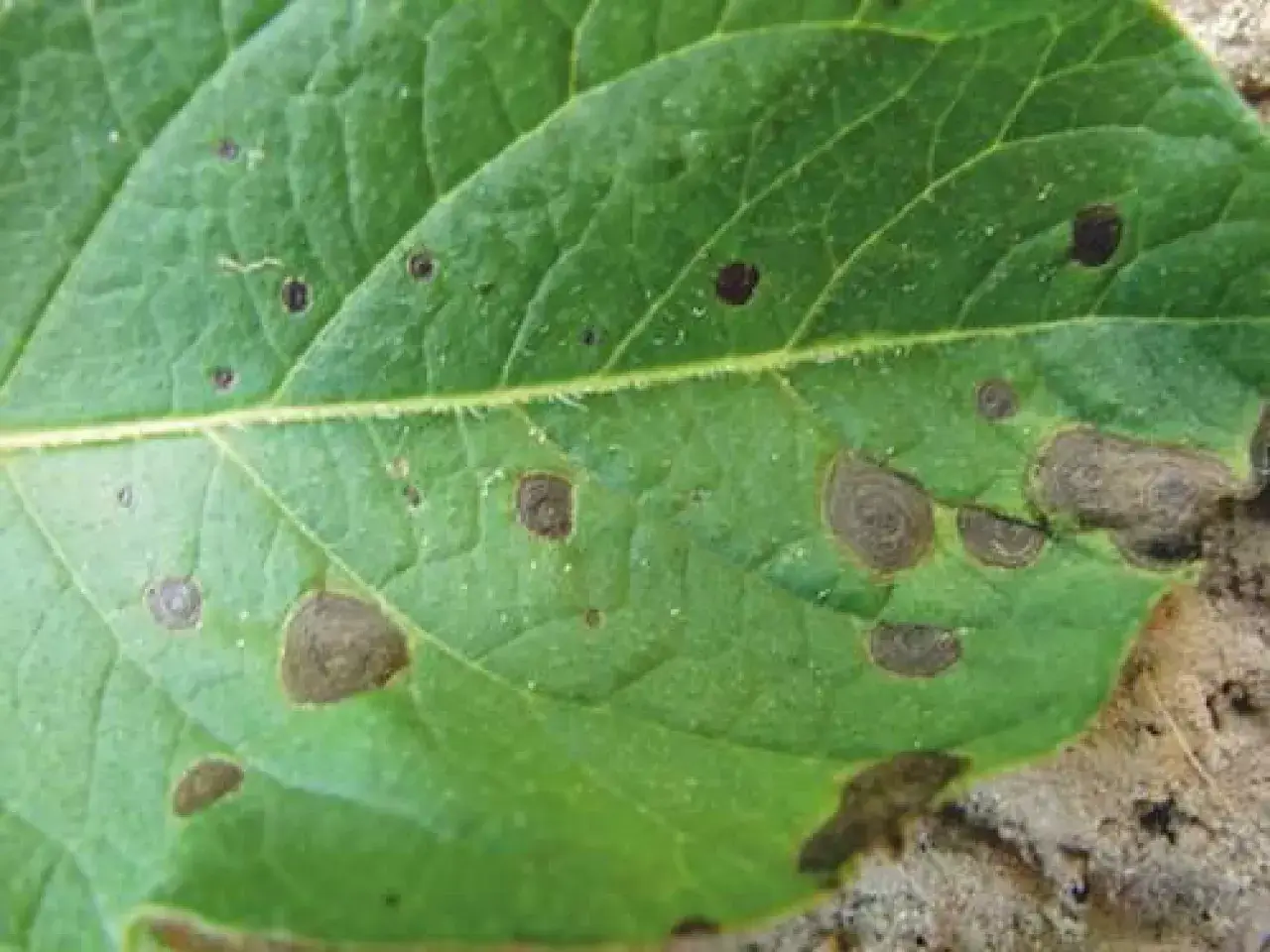
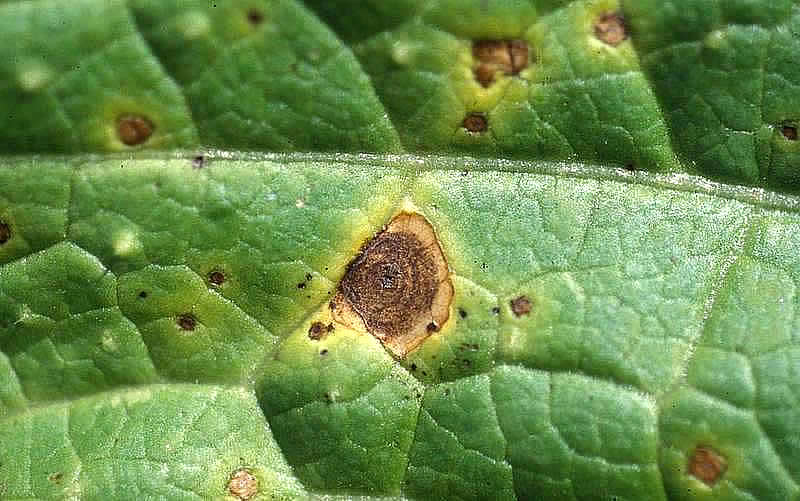
The disease known as Blight, caused by Alternaria sp., affects radish, producing necrotic Taches on the leaves and other parts of the plant. These Taches are initially small, dark brown or black, and tend to expand, forming characteristic concentric rings. Severe infection can lead to premature defoliation, reducing the photosynthetic capacity and, therefore, the vigor of the plant.
- Necrotic Taches on the leaves
- Concentric rings in the Taches
- Premature defoliation
- Reduction in plant growth and vigor
- Decrease in the quality and size of the radish


DEVELOPMENT CONDITIONS
Temperature:
20°C - 30°C
Humidity:
80% - 100%

HOW IS IT SPREAD?
Wind-borne spores, Contaminated irrigation water, Insect vectors, Remains of infected plants

HOW TO ELIMINATE IT?
Home treatments
There are no home treatments
Natural allies
Chemical treatments
There are no treatments for this disease. Treatments are directed at the insect vectors that transmit it. See insect treatments.
RECOMMENDED PRODUCTS TO ELIMINATE THE PEST
Sponsored link

Sponsored link
Sponsored link


Sponsored link
Sponsored link
Sponsored link
Sponsored link


Sponsored link
Sponsored link
Effective against all types of fungi

Sponsored link
Sponsored link


Sponsored link
Sponsored link

Sponsored link
Sponsored link


Sponsored link

PLANTAS REPELENTES

RECOMMENDATIONS
OTHER PESTS THAT MAY INTEREST YOU


DID YOU LIKE IT?
Now you can always have it on your mobile, without ads and totally FREE. TRY idMicrobe NOW!


