

Crown Gall
Agrobacterium Tumefaciens
Pathogen:
Type:
Bacterium
Risk:
HIGH
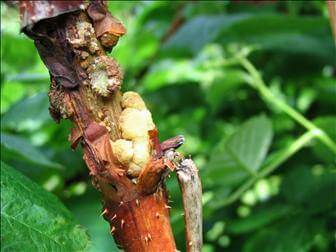
Mora
Bacteriosis
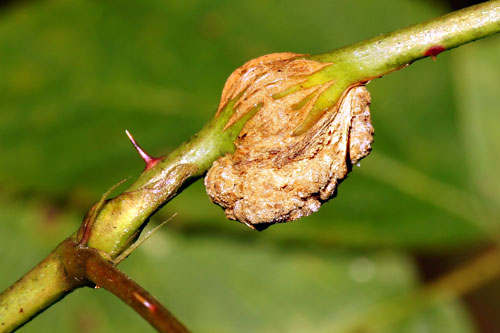

WHO CAUSES IT?
Agrobacterium tumefaciens is a gram-negative bacteria commonly found in soil and infected plant tissues. This bacterium is known for its ability to transfer a segment of plasmid DNA (T-DNA) into plant cells, inducing the formation of tumors known as galls. The infection begins when the bacteria detects wounds on the plant, which release phenolic compounds that act as signals for the attraction and activation of A. tumefaciens. Once attached to the plant cells, the bacteria transfers the T-DNA of the Ti plasmid (tumor-inducing) to the plant genome. This T-DNA contains genes that induce the production of phytohormones and opins, which not only promote uncontrolled cell proliferation, forming galls, but also produce specific metabolites that benefit the bacteria. The bacteria can survive in the soil for several years, waiting for opportunities to infect new plants through wounds or microlesions.
.png)
SYMPTOMS
The disease caused by Agrobacterium tumefaciens on blackberries is known as crown gall, and it mainly affects the lower part of the stem and roots of the plants. This disease considerably weakens plants, affecting their ability to absorb water and nutrients, which can lead to a significant reduction in productivity and overall plant health.
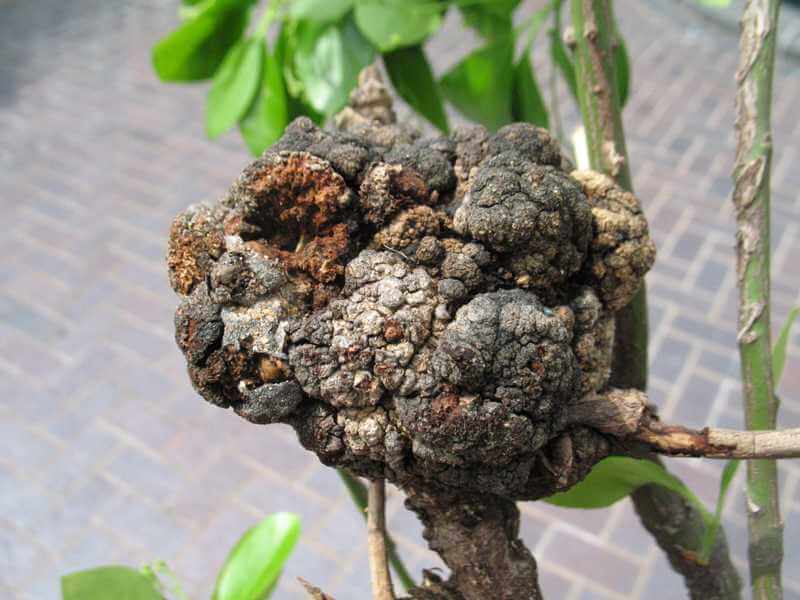
- Formation of tumors or galls at the base of the stem and roots.
- Abnormal and deformed growth in the affected areas.
- General decay of the plant.
- Reduction in plant vigor and growth.
- Chlorosis in the leaves due to poor absorption of nutrients.
- Wilting under water stress conditions.
- In severe cases, death of the plant.


TEMPERATURE AND HUMIDITY
20°C a 28°C
70% a 85%

TRANSMISSION PATHS
Contaminated soil, Pruning tools, Irrigation water, Infected plants, Earthworks, Infected plant remains
Do you want to remove this disease? Choose how you want to treat it.

TREATMENTS
Chemical treatment
• COPPER OXYCHLORIDE 35% (exp. in Cu) [WG] P/P
• CUPROCALCIC SULFATE 12.4% (EXPR. IN CU) [SC] P/V
Authorized treatments in organic farming
• COPPER OXYCHLORIDE 35% (exp. in Cu) [WG] P/P
• CUPROCALCIC SULFATE 12.4% (EXPR. IN CU) [SC] P/V
Biological control
• BACILLUS SUBTILIS (STRAIN QST 713) 1.34% [SC] P/V
Recommendations
- Avoid wounds on plants during agricultural practices to reduce entry points for bacteria.
- Use disease-free and certified planting material.
- Implement crop rotation practices to reduce the presence of bacteria in the soil.
- Apply disinfection treatments to tools and equipment before using them in different plants.
- Improve soil drainage to reduce excessive moisture that favors infection.
- Remove and destroy infected plants to prevent the spread of the bacteria.
- Use biological agents that compete with A. tumefaciens in the soil.
- Use varieties of plants that are less susceptible to infection by this bacteria.
Sponsored link
Sponsored link


Sponsored link
Sponsored link
Sponsored link


Sponsored link
Sponsored link
Effective against all types of fungi

Sponsored link


Sponsored link
Sponsored link

Sponsored link


Sponsored link
*The recommended treatments are still recommendations according to the databases of the authorities and at no time do they replace the guidelines established according to the legislation of each country
*The products shown are recommendations and are not our own products. As Amazon Associates, we earn revenue from purchases of recommended products.

TREATMENTS
Homemade treatments
There are no home treatments
Natural allies
Chemical treatments
There are no treatments for this disease. Treatments are directed at the insect vectors that transmit it. See insect treatments.

RECOMMENDATIONS

REPELLENT PLANTS
RECOMMENDED PRODUCTS TO ELIMINATE THIS PEST
Sponsored link
Sponsored link
Sponsored link
Sponsored link
Sponsored link
Sponsored link
Sponsored link
Effective against all types of fungi
Sponsored link
Sponsored link
Sponsored link
Sponsored link
Sponsored link
*The recommended treatments are still recommendations according to the databases of the authorities and at no time do they replace the guidelines established according to the legislation of each country
*The products shown are recommendations and are not our own products. As Amazon Associates, we earn revenue from purchases of recommended products.

Enjoy idMicrobe TOTALLY FREE, with no trial periods.


