

Lack of light
-
Pathogen:
Type:
Environmental stress
Risk:
INTERMEDIÁRIO
Plantas decorativas de jardín y/o interior
Estrés ambiental

WHO CAUSES IT?
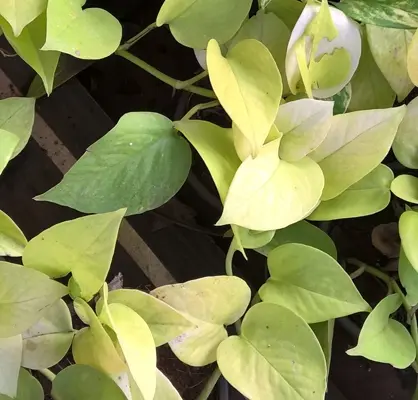
Insufficient light or sunlight is a very common problem, especially for houseplants. Light is essential for photosynthesis, so when it's insufficient, the plant can't produce the energy it needs to grow properly. This results in weak, slow, and unhealthy growth. It usually occurs in spaces with little natural light, in winter, or when the plant is poorly located (far from windows or in shady areas). It's not a disease, but rather a problem of location or conditions.
.png)
SYMPTOMS
Lack of light causes quite visible changes in the plant's growth and appearance.
Typical symptoms:
• Long, weak stems (the plant stretches in search of light).
• Smaller than normal leaves.
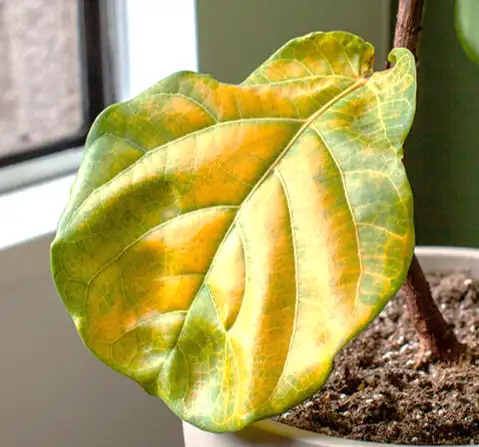
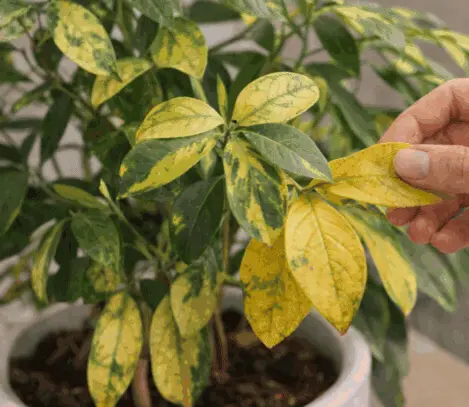
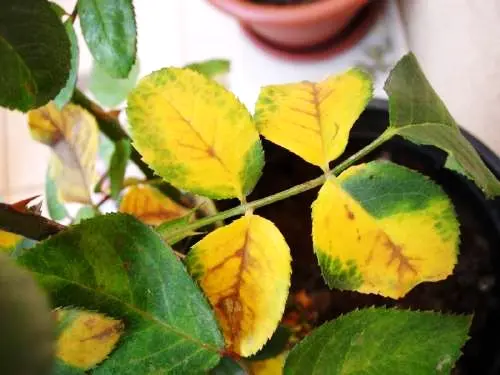
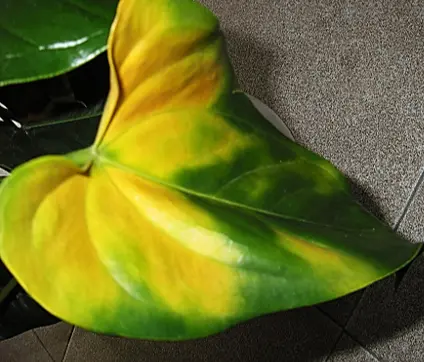
• Pale green or yellowish color.
• Leaf drop, especially the lower leaves.
• Slow or almost stopped growth.
• Little or no flowering.
It is a progressive problem that mainly affects the plant's growth and shape.
Stages of development:
• Initial: slower growth and somewhat paler leaves.
Intermediate stage: elongated stems and loss of density.
Advanced stage: leaf drop and general weakening.
Final stage: very weak, deformed plant with almost no growth.

TEMPERATURE AND HUMIDITY
-
-

TRANSMISSION PATHS
-
Do you want to remove this disease? Choose how you want to treat it.

TREATMENTS
Chemical treatment
There are no phytosanitary treatments. Light availability must be improved.
Authorized treatments in organic farming
There are no phytosanitary treatments. Light availability must be improved.
Biological control
-
Recommendations
To avoid problems caused by insufficient light, the most important thing is to improve the plant's location.
• Place the plant in a brighter spot (near a window).
• Make sure it receives the type of light it needs (direct or indirect).
• Rotate the plant regularly for even growth.
• Dust the leaves to improve light absorption.
• Use supplemental artificial light if there isn't enough natural light.
• Avoid placing it in dark corners or far from light sources.
Sponsored link

Sponsored link


Sponsored link
Sponsored link
Sponsored link


Sponsored link
Sponsored link
Effective against all types of fungi

Sponsored link


Sponsored link
Sponsored link

Sponsored link


Sponsored link
*The recommended treatments are still recommendations according to the databases of the authorities and at no time do they replace the guidelines established according to the legislation of each country
*The products shown are recommendations and are not our own products. As Amazon Associates, we earn revenue from purchases of recommended products.

TREATMENTS
Homemade treatments
There are no home treatments
Natural allies
Chemical treatments
There are no treatments for this disease. Treatments are directed at the insect vectors that transmit it. See insect treatments.

RECOMMENDATIONS

REPELLENT PLANTS
RECOMMENDED PRODUCTS TO ELIMINATE THIS PEST
Sponsored link
Sponsored link
Sponsored link
Sponsored link
Sponsored link
Sponsored link
Sponsored link
Effective against all types of fungi
Sponsored link
Sponsored link
Sponsored link
Sponsored link
Sponsored link
*The recommended treatments are still recommendations according to the databases of the authorities and at no time do they replace the guidelines established according to the legislation of each country
*The products shown are recommendations and are not our own products. As Amazon Associates, we earn revenue from purchases of recommended products.

Enjoy idMicrobe TOTALLY FREE, with no trial periods.


