

Gummosis
Phytophthora Sp.
Pathogen:
Type:
Oomycete
Risk:
CRITICAL
Plantas ornamentales
Gomosis

WHO CAUSES IT?
Gummosis, caused mainly by species of the genus Phytophthora, is a fungal disease that affects a variety of plants, including ornamental and garden plants. This pathogen can cause significant damage to crops, compromising both the health of the trees and fruit production. Phytophthora sp. It develops in soils with high levels of humidity and can survive for long periods in adverse conditions, making its control and eradication difficult.
.png)
SYMPTOMS
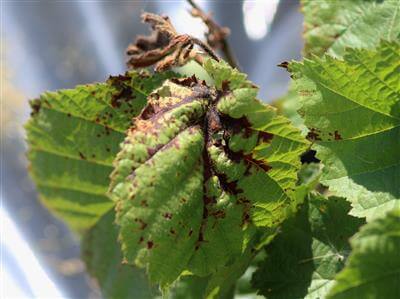
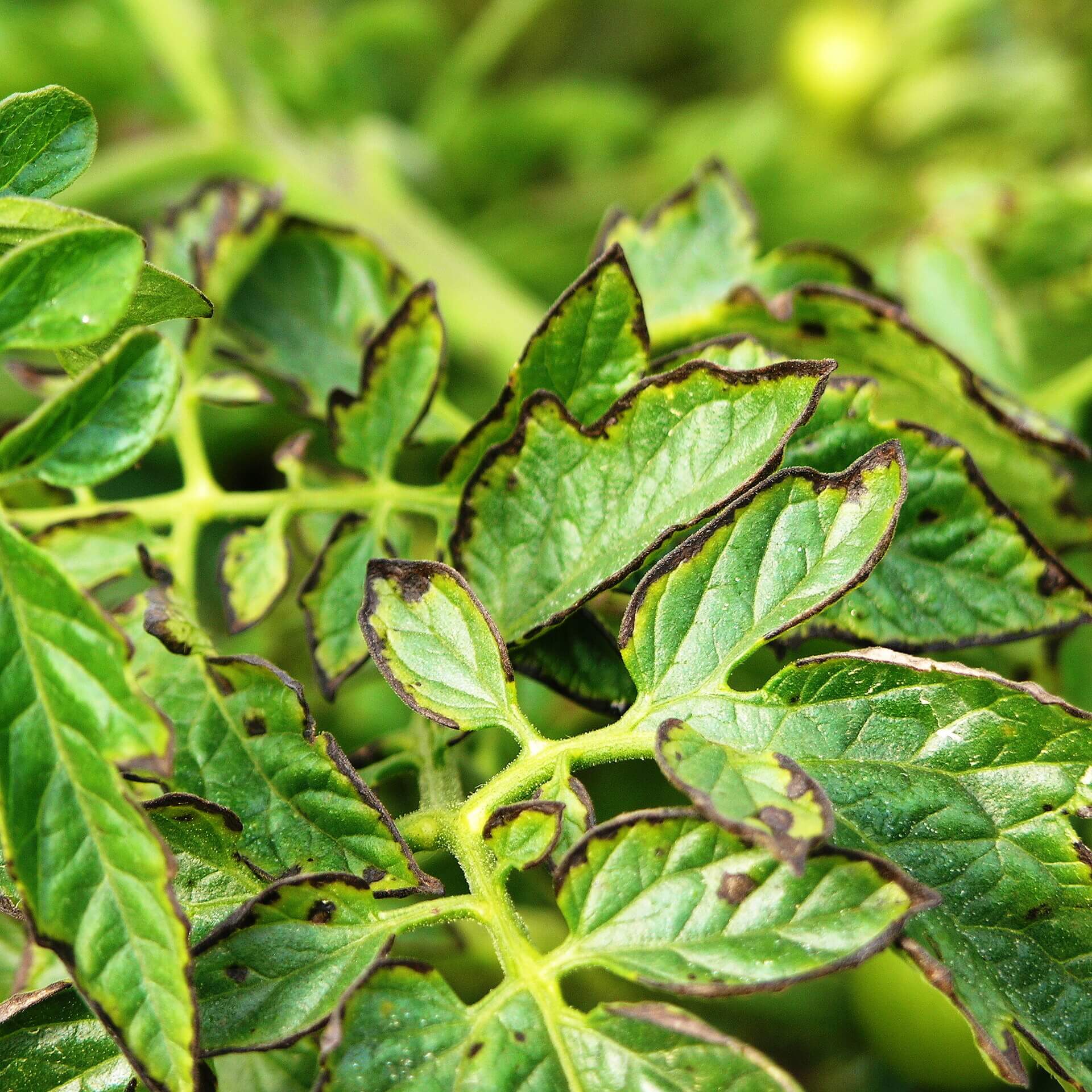
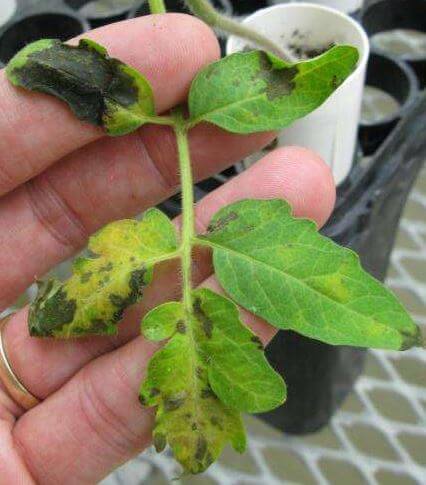
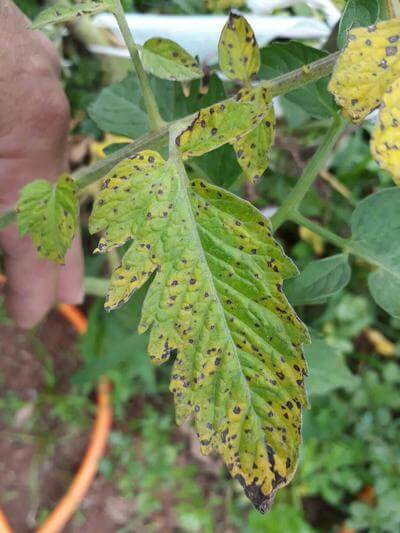
In ornamental and garden plants, gummosis initially manifests itself through the presence of gummy exudates on the trunk and branches of the plant. These exudates can be seen as dark, sticky Taches that eventually dry out and form scabs. As the disease progresses, there is a general weakening of the plant, manifested by loss of vigor, wilting and eventual death of the affected specimen.


TEMPERATURE AND HUMIDITY
20°C - 25°C
70% - 90%

TRANSMISSION PATHS
Contaminated soil, irrigation water.
Do you want to remove this disease? Choose how you want to treat it.

TREATMENTS
Chemical treatment
• FOSETIL-AL 80% [WG] P/P
• CUPRIC HYDROXIDE 25% (EXPR. IN CU) [WG] P/P
• CUPRIC HYDROXIDE 50% (EXPR. IN CU) [WP] P/P
• COPPER OXYCHLORIDE 38% (EXPR. IN CU) [SC] P/V
• COPPER OXYCHLORIDE 50% (EXPR. IN CU) [WP] P/P
• CUPROCALCIC SULFATE 20% (EXPR. IN CU) [WP] P/P
• TRIBASIC COPPER SULFATE 19% (EXPR. IN CU) [SC] P/V
Authorized treatments in organic farming
• CUPRIC HYDROXIDE 25% (EXPR. IN CU) [WG] P/P
• CUPRIC HYDROXIDE 50% (EXPR. IN CU) [WP] P/P
• COPPER OXYCHLORIDE 38% (EXPR. IN CU) [SC] P/V
• COPPER OXYCHLORIDE 50% (EXPR. IN CU) [WP] P/P
• CUPROCALCIC SULFATE 20% (EXPR. IN CU) [WP] P/P
• TRIBASIC COPPER SULFATE 19% (EXPR. IN CU) [SC] P/V
Biological control
-
Recommendations
To prevent and control gummosis in ornamental and garden plants, it is recommended to implement integrated pest management measures. This includes using proper agronomic practices such as proper soil drainage to reduce excessive moisture, selecting hardy plants, proper pruning to improve air circulation, and preventative application of fungicides as needed.
Sponsored link
Sponsored link


Sponsored link
Sponsored link
Sponsored link


Sponsored link
Sponsored link
Effective against all types of fungi

Sponsored link


Sponsored link
Sponsored link

Sponsored link


Sponsored link
*The recommended treatments are still recommendations according to the databases of the authorities and at no time do they replace the guidelines established according to the legislation of each country
*The products shown are recommendations and are not our own products. As Amazon Associates, we earn revenue from purchases of recommended products.

TREATMENTS
Homemade treatments
There are no home treatments
Natural allies
Chemical treatments
There are no treatments for this disease. Treatments are directed at the insect vectors that transmit it. See insect treatments.

RECOMMENDATIONS

REPELLENT PLANTS
RECOMMENDED PRODUCTS TO ELIMINATE THIS PEST
Sponsored link
Sponsored link
Sponsored link
Sponsored link
Sponsored link
Sponsored link
Sponsored link
Effective against all types of fungi
Sponsored link
Sponsored link
Sponsored link
Sponsored link
Sponsored link
*The recommended treatments are still recommendations according to the databases of the authorities and at no time do they replace the guidelines established according to the legislation of each country
*The products shown are recommendations and are not our own products. As Amazon Associates, we earn revenue from purchases of recommended products.

Enjoy idMicrobe TOTALLY FREE, with no trial periods.


