

Septoria
Septoria Piricola
Pathogen:
Type:
Fungus
Risk:
HIGH

Frutales de pepita
Septoriosis

WHO CAUSES IT?
Septoria piricola is a pathogenic fungus that mainly affects pome fruit trees. This pathogen survives the winter in infected plant debris and fallen leaves on the ground. With the arrival of spring, the reproductive structures of the fungus produce spores that are released into the environment and transported by wind and water to the green parts of the plants. Spores germinate in the presence of moisture, invading leaf tissues and causing infections. During the growing season, the fungus can produce several generations of spores, each capable of initiating new infections, contributing to the spread of the disease. The cycle of infection and reproduction of the fungus is perpetuated as long as environmental conditions are favorable, particularly in humid and temperate climates.
.png)
SYMPTOMS
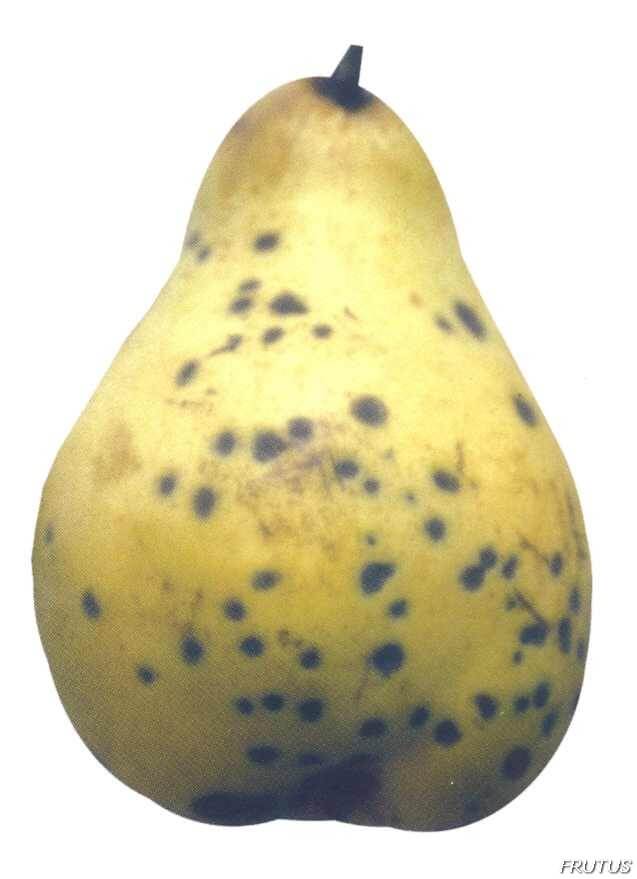
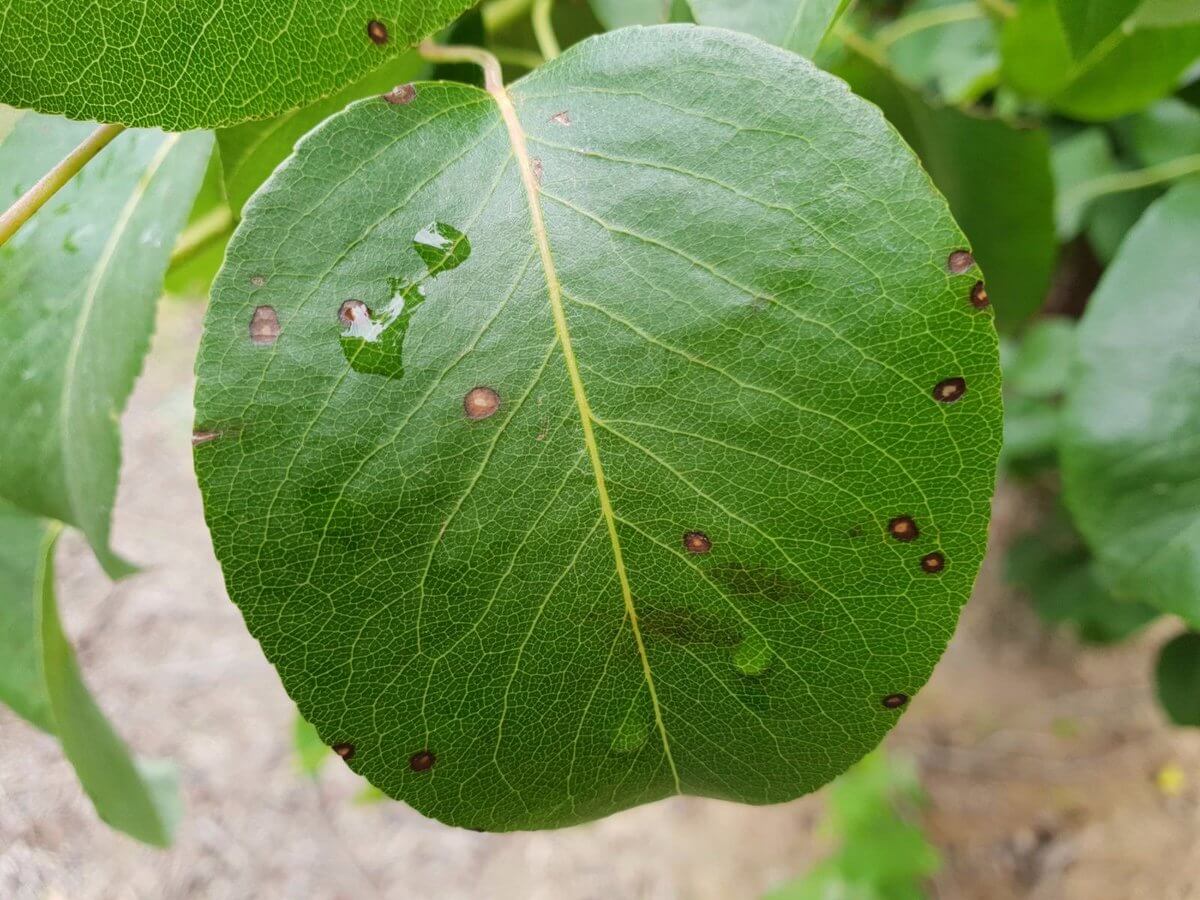
Septoria, caused by Septoria piricola, significantly affects the health and productivity of pome fruit trees. The disease manifests itself mainly on the leaves, causing lesions that compromise the photosynthetic capacity of the plant. The infection begins with the appearance of small brown Taches that expand and coalesce, forming larger necrotic areas. These Taches can develop on leaves, stems and occasionally fruits, weakening the plant and reducing its yield.
- Brown or black Taches on the leaves.
- Premature fall of affected leaves.
- Necrotic lesions on young stems.
- Reduction in fruit production.
- Dark Taches on fruits, affecting their quality.
- Decrease in the general vigor of the plant.



TEMPERATURE AND HUMIDITY
15°C - 25°C
70% - 90%

TRANSMISSION PATHS
Wind, irrigation water, contaminated tools, direct contact between plants, infected plant remains
Do you want to remove this disease? Choose how you want to treat it.

TREATMENTS
Chemical treatment
• CUPRIC HYDROXIDE 25% (EXPR. IN CU) [WG] P/P
• CUPRIC HYDROXIDE 40% (EXPR. IN CU) [WG] P/P
• COPPER OXYCHLORIDE 35% (EXPR. IN CU) [WG] P/P
• COPPER OXYCHLORIDE 38% (EXPR. IN CU) [SC] P/V
• COPPER OXYCHLORIDE 50% (EXPR. IN CU) [WP] P/P
• CUPROCALCIC SULFATE 20% (EXPR. IN CU) [WG] P/P
• CUPROCALCIC SULFATE 20% (EXPR. IN CU) [WP] P/P
• CUPROCALCIC SULFATE 20% (EXPR. IN CU) [WG] P/P
• CUPROCALCIC SULFATE 20% [WP] P/P
Authorized treatments in organic farming
• CUPRIC HYDROXIDE 25% (EXPR. IN CU) [WG] P/P
• CUPRIC HYDROXIDE 40% (EXPR. IN CU) [WG] P/P
• COPPER OXYCHLORIDE 35% (EXPR. IN CU) [WG] P/P
• COPPER OXYCHLORIDE 38% (EXPR. IN CU) [SC] P/V
• COPPER OXYCHLORIDE 50% (EXPR. IN CU) [WP] P/P
• CUPROCALCIC SULFATE 20% (EXPR. IN CU) [WG] P/P
• CUPROCALCIC SULFATE 20% (EXPR. IN CU) [WP] P/P
• CUPROCALCIC SULFATE 20% (EXPR. IN CU) [WG] P/P
• CUPROCALCIC SULFATE 20% [WP] P/P
Biological control
-
Recommendations
- Carry out sanitary pruning to eliminate and destroy infected plant remains.
- Maintain an adequate distance between plants to improve air circulation and reduce humidity.
- Apply specific fungicides during critical growth phases, following technical recommendations.
- Use pome fruit varieties resistant to septoria.
- Implement an irrigation system that minimizes moisture on the leaves, such as drip irrigation.
- Rotate crops and avoid continuous planting of pome fruit trees in the same area.
- Regularly inspect the plantations to detect and treat any signs of infection early.
- Keep the soil well drained to avoid moisture accumulation.
- Apply organic fertilizers and balanced fertilizers to strengthen the resistance of plants.
- Place sticky traps and physical barriers to reduce the spread of spores.
Sponsored link
Sponsored link


Sponsored link
Sponsored link
Sponsored link


Sponsored link
Sponsored link
Effective against all types of fungi

Sponsored link


Sponsored link
Sponsored link

Sponsored link


Sponsored link
*The recommended treatments are still recommendations according to the databases of the authorities and at no time do they replace the guidelines established according to the legislation of each country
*The products shown are recommendations and are not our own products. As Amazon Associates, we earn revenue from purchases of recommended products.

TREATMENTS
Homemade treatments
There are no home treatments
Natural allies
Chemical treatments
There are no treatments for this disease. Treatments are directed at the insect vectors that transmit it. See insect treatments.

RECOMMENDATIONS

REPELLENT PLANTS
RECOMMENDED PRODUCTS TO ELIMINATE THIS PEST
Sponsored link
Sponsored link
Sponsored link
Sponsored link
Sponsored link
Sponsored link
Sponsored link
Effective against all types of fungi
Sponsored link
Sponsored link
Sponsored link
Sponsored link
Sponsored link
*The recommended treatments are still recommendations according to the databases of the authorities and at no time do they replace the guidelines established according to the legislation of each country
*The products shown are recommendations and are not our own products. As Amazon Associates, we earn revenue from purchases of recommended products.

Enjoy idMicrobe TOTALLY FREE, with no trial periods.


