


Symptoms, treatments, and recommendations for treating citrus watery rot or brown rot
Citrus Decay Or Brown Rot
Phytophthora Sp.
Pathogen:
Type:
Oomycete
Risk:
HIGH
Cítricos
Phytophthora

WHO CAUSES IT?
Phytophthora is a genus of fungi that includes several phytopathogenic species known to cause diseases in a variety of plants, including citrus. These fungi can survive in soil and water, infecting plant roots and causing them to rot. Phytophthora infection can spread to other parts of the plant, such as the stem, seriously affecting its health and production.

SYMPTOMS
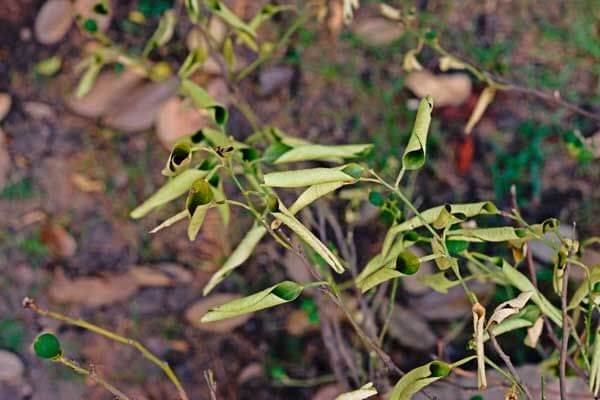
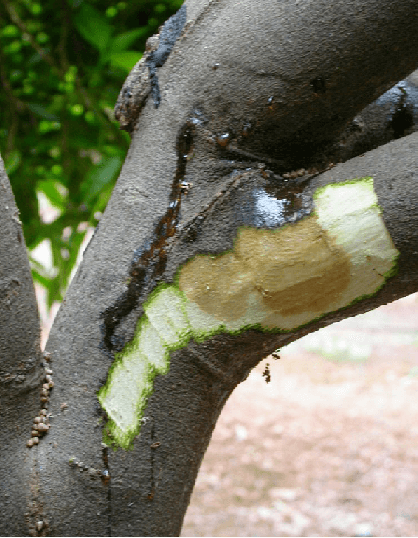
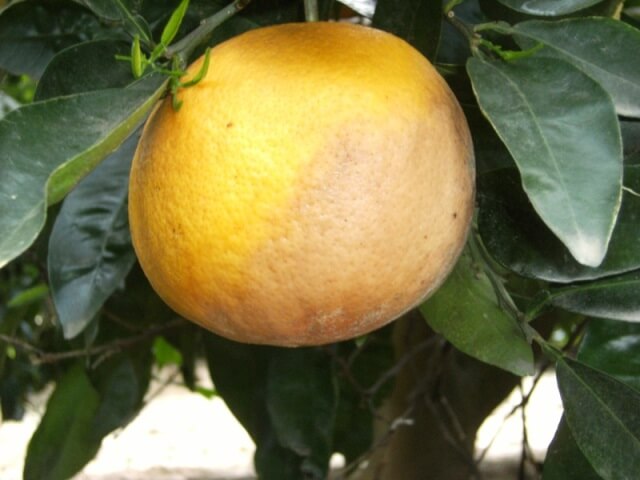
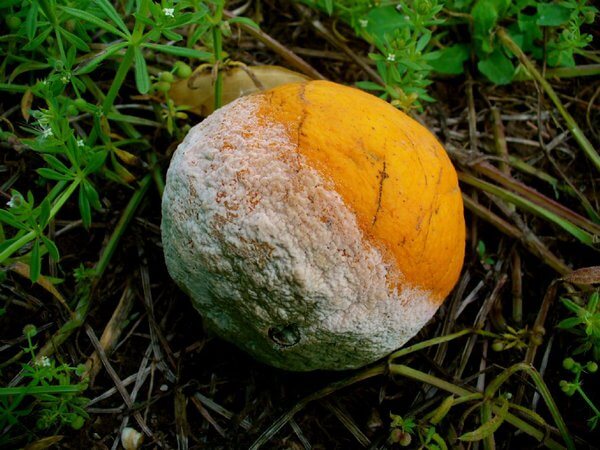
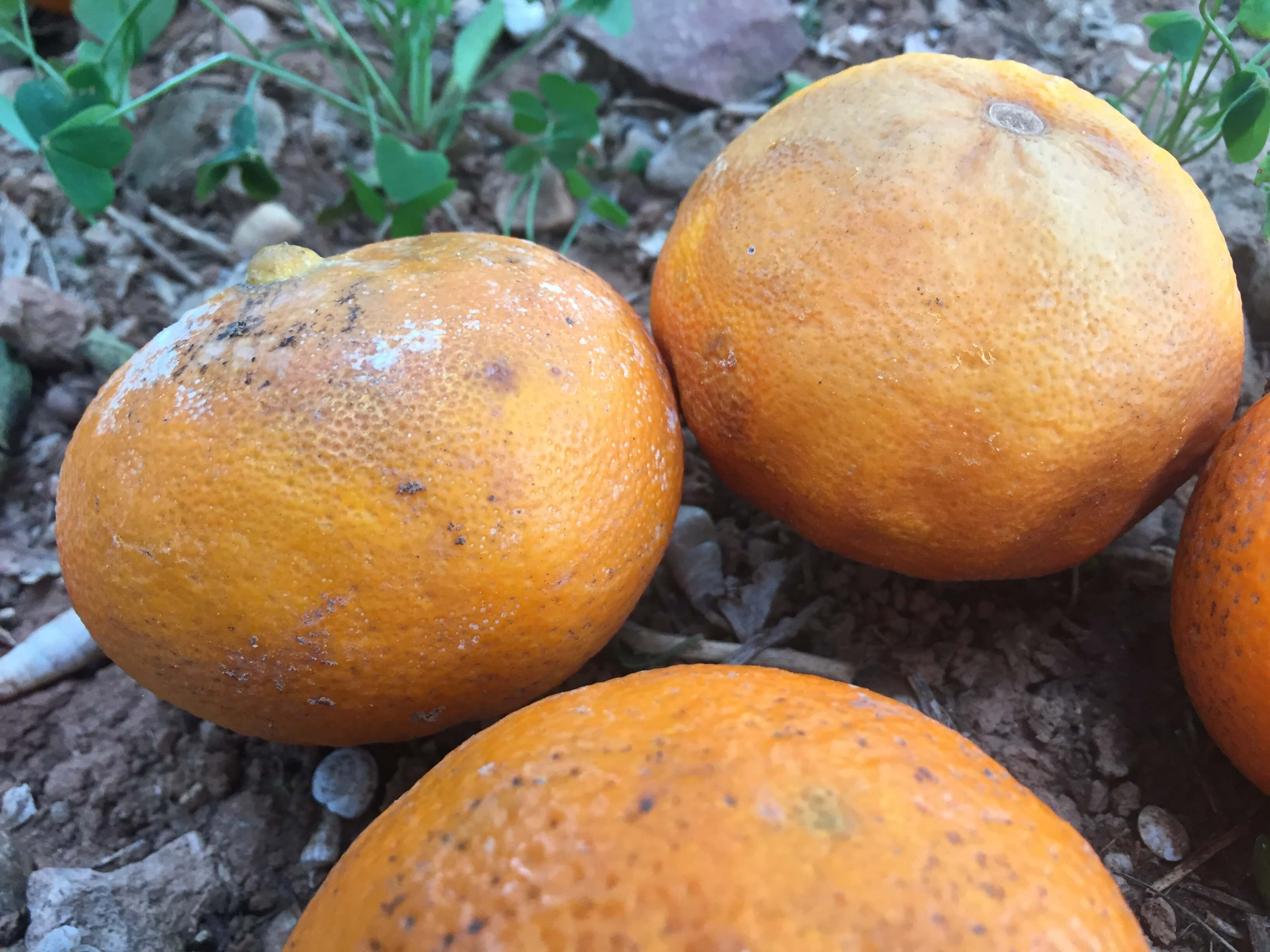
Phytophthora spp. It causes a disease known as citrus watering, which manifests itself as rot of the roots and, in severe cases, of the base of the stem. This causes the death of the roots and, consequently, a general weakening of the plant. Symptoms may include a darkening and softening of the roots and stem, as well as dieback of branches and leaves.
• Root rot.
• Weakening and regressive death of branches and leaves.
• Darkening and softening of the base of the stem.
• Loss of general vigor of the plant.
• Reduction in fruit production.


TEMPERATURE AND HUMIDITY
15°C - 30°C
60% - 90%

TRANSMISSION ROUTES
Contaminated water, infected soil, contaminated agricultural tools.
Do you want to remove this disease? Choose how you want to treat it.

TREATMENTS
Chemical treatments
• FOSETIL-AL 80% [WG] P/P
• CUPRIC HYDROXIDE 13.6% (EXPR. IN CU) + COPPER OXYCHLORIDE 13.6% (EXPR. IN CU) [SC] P/V
• CUPRIC HYDROXIDE 35% (EXPR. IN CU) [WG] P/P
• CUPRIC HYDROXIDE 50% (EXPR. IN CU) [WP] P/P
• COPPER OXYCHLORIDE 37.5% (EXPR. IN CU) [WG] P/P
• COPPER OXYCHLORIDE 38% (EXPR. IN CU) [SC] P/V
• COPPER OXYCHLORIDE 50% (EXPR. IN CU) [WP] P/P
• COPPER OXYCHLORIDE 70% [SC] P/V
• CUPROCALCIC SULFATE 20% (EXPR. IN CU) [WP] P/P
• TRIBASIC COPPER SULFATE 19% (EXPR. IN CU) [SC] P/V
Treatments allowed in organic farming
• CUPRIC HYDROXIDE 13.6% (EXPR. IN CU) + COPPER OXYCHLORIDE 13.6% (EXPR. IN CU) [SC] P/V
• CUPRIC HYDROXIDE 35% (EXPR. IN CU) [WG] P/P
• CUPRIC HYDROXIDE 50% (EXPR. IN CU) [WP] P/P
• COPPER OXYCHLORIDE 37.5% (EXPR. IN CU) [WG] P/P
• COPPER OXYCHLORIDE 38% (EXPR. IN CU) [SC] P/V
• COPPER OXYCHLORIDE 50% (EXPR. IN CU) [WP] P/P
• COPPER OXYCHLORIDE 70% [SC] P/V
• CUPROCALCIC SULFATE 20% (EXPR. IN CU) [WP] P/P
• TRIBASIC COPPER SULFATE 19% (EXPR. IN CU) [SC] P/V
Biological treatments
-
Recommendations
• Avoid waterlogging and maintain good soil drainage.
• Use of Phytophthora-resistant rootstocks.
• Apply specific fungicides when necessary.
• Prune and remove infected parts of the plant.
• Rotate crops to reduce the accumulation of pathogens in the soil.





*The recommended treatments are recommendations based on the authorities' databases and in no way replace the guidelines established by the legislation of each country.
*Products shown are recommendations and not our own products. As Amazon Associates, we earn revenue from purchases of recommended products.

TREATMENTS
Homemade remedies
There are no home treatments
Natural allies
Chemical treatments
There are no treatments for this disease. Treatments are directed at the insect vectors that transmit it. See insect treatments.

RECOMMENDATIONS

REPELLENT PLANTS
EFFECTIVE PRODUCTS TO ELIMINATE THIS DISEASE
*The recommended treatments are recommendations based on the authorities' databases and in no way replace the guidelines established by the legislation of each country.
*Products shown are recommendations and not our own products. As Amazon Associates, we earn revenue from purchases of recommended products.



Explore more tools
Services
Contact
Legal
©2023 por ZeriMar Laboratoire. Todos los derechos reservados.