


Symptoms, treatments and recommendations for treating red spider mites
Red Spider
Tetranychus Urticae
Pathogen:
Type:
Insect
Risk:
MILD
Fresa
Araña roja

WHO CAUSES IT?
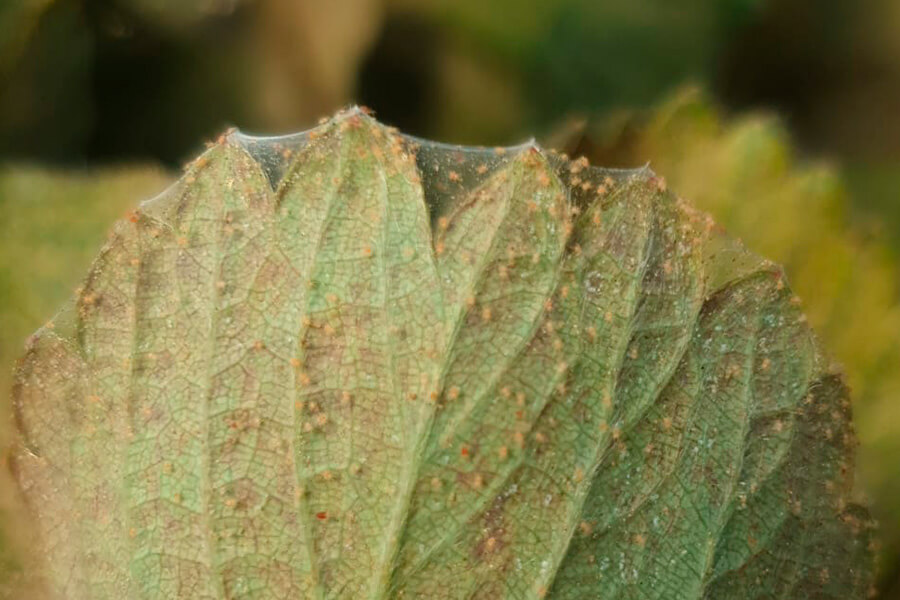
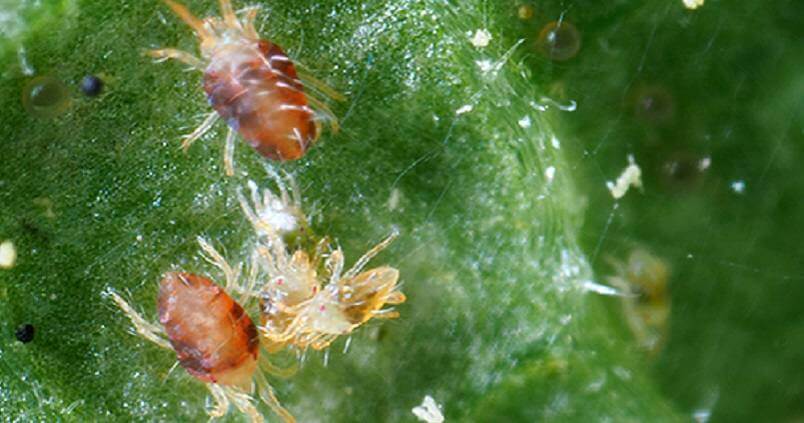
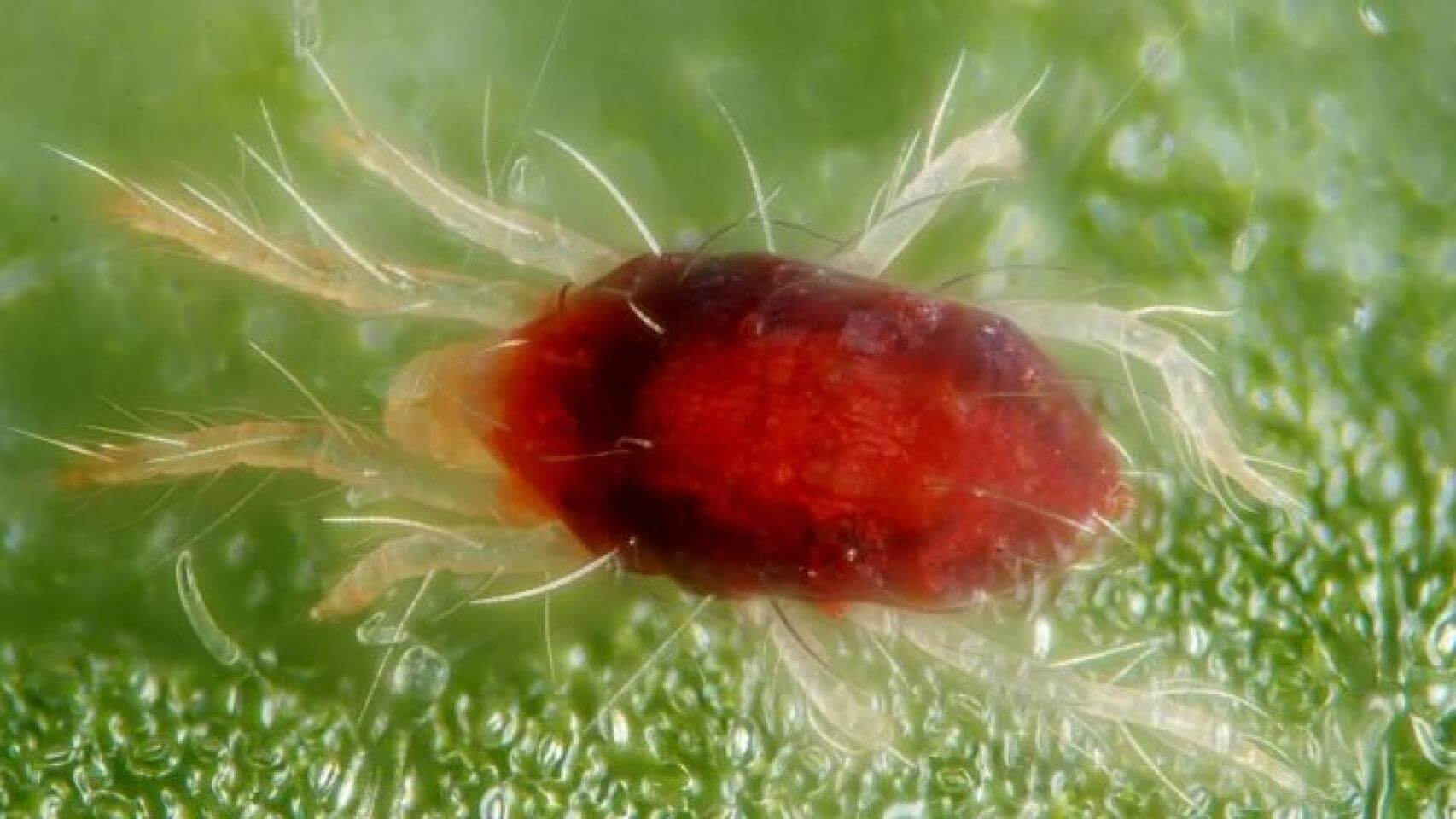
The red spider, also known as the red mite, is a small arachnid belonging to the family Tetranychidae, which affects a wide variety of plants, including strawberries. It is characterized by its tiny size and reddish color, and is known for feeding on plant tissues, sucking sap from leaves and causing damage to plants.

SYMPTOMS
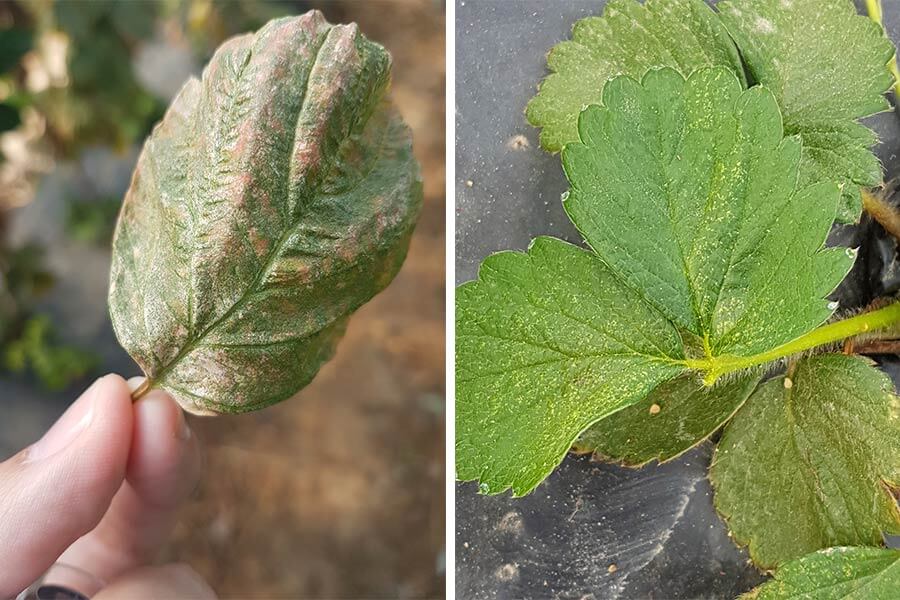
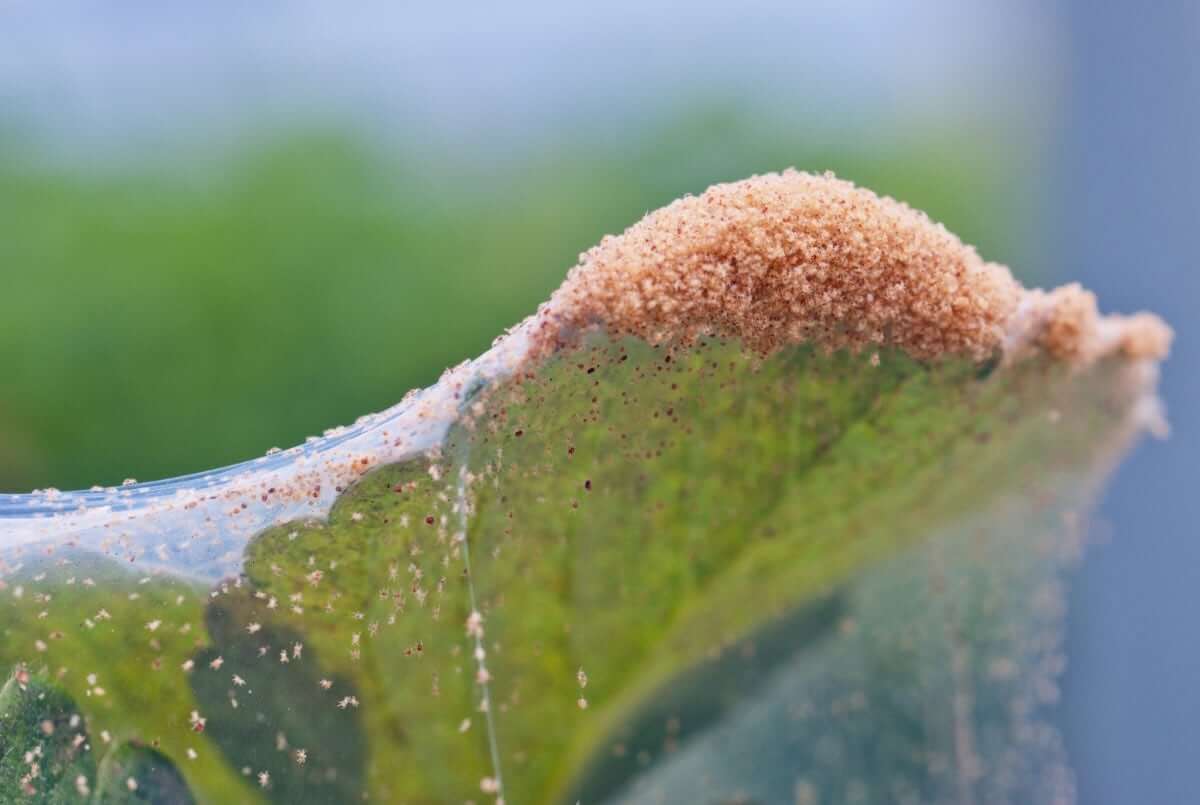
The disease that occurs in strawberries, known as red spider mite, manifests itself with the appearance of symptoms such as yellowing and discoloration of the leaves, as well as the formation of fine cobwebs on the underside of the leaves. These mites can also cause plant defoliation and general weakening, which negatively affects fruit production.


TEMPERATURE AND HUMIDITY
20°C - 30°C
50% - 60%

TRANSMISSION ROUTES
Wind, human movement, transport of infested plants, migration of carrier insects, transport of infected vegetation, interaction with wild animals.
Do you want to remove this disease? Choose how you want to treat it.

TREATMENTS
Chemical treatments
• ABAMECTIN 1.8% [EC] P/V
• ABAMECTIN 1.8% [EW] P/V
• ORANGE OIL 60g/L [ME] P/S
• SULFUR 70% [SC] P/V
• SULFUR 72% [SC] P/V
• SULFUR 80% [DP] P/P
• SULFUR 80% [SC] P/V
• SULFUR 80% [WG] P/P
• SULFUR 80% [WP] P/P
• SULFUR 98.5% [DP] P/P
• CIFLUMETOFEN 20% [SC] P/V
• PHENPIROXIMATE 5.12% [SC] P/V
• HEXITIAZOX 10% [WP] P/P
• HEXITIAZOX 25% [SC] P/V
• MILBEMECTIN 0.93% [EC] P/V
Treatments allowed in organic farming
• ORANGE OIL 60g/L [ME] P/S
• SULFUR 70% [SC] P/V
• SULFUR 72% [SC] P/V
• SULFUR 80% [DP] P/P
• SULFUR 80% [SC] P/V
• SULFUR 80% [WG] P/P
• SULFUR 80% [WP] P/P
• SULFUR 98.5% [DP] P/P
Biological treatments
• AMBLYSEIUS ANDERSONI (parasitoid and predatory mites)
• BEAUVERIA BASSIANA (STRAIN ATCC 74040) 2.3% (2.3X10E7 VIABLE SPORES/ML) [OD] P/V
• BEAUVERIA BASSIANA (GHA STRAIN) 10.7% (2.26X10E13 CONIDIAS/L) [OD] P/V
• BEAUVERIA BASSIANA (GHA STRAIN) 22% (4.4 x 10E10 CONIDIAS/G) [WP] P/P
• NEOSEIULUS CALIFORNICUS (parasitoid and predatory mites)
• PHYTOSEIULUS PERSIMILIS (parasitoid and predatory mites)
Recommendations
To prevent and control red spider mites in strawberry plantations, it is important to maintain an adequate ecological balance in the crop, favoring the presence of natural predators of mites, such as ladybugs and predatory mites. In addition, integrated pest management is recommended, including the use of cultural practices such as weed removal and crop rotation. Biological control with the use of antagonist organisms can also be effective in reducing the mite population.





*The recommended treatments are recommendations based on the authorities' databases and in no way replace the guidelines established by the legislation of each country.
*Products shown are recommendations and not our own products. As Amazon Associates, we earn revenue from purchases of recommended products.

TREATMENTS
Homemade remedies
There are no home treatments
Natural allies
Chemical treatments
There are no treatments for this disease. Treatments are directed at the insect vectors that transmit it. See insect treatments.

RECOMMENDATIONS

REPELLENT PLANTS
EFFECTIVE PRODUCTS TO ELIMINATE THIS DISEASE
*The recommended treatments are recommendations based on the authorities' databases and in no way replace the guidelines established by the legislation of each country.
*Products shown are recommendations and not our own products. As Amazon Associates, we earn revenue from purchases of recommended products.



Explore more tools
Services
Contact
Legal
©2023 por ZeriMar Laboratoire. Todos los derechos reservados.