


Symptoms, treatments and recommendations for treating red spider mites
Red Spider
Tetranychus Urticae
Pathogen:
Type:
Insect
Risk:
HIGH
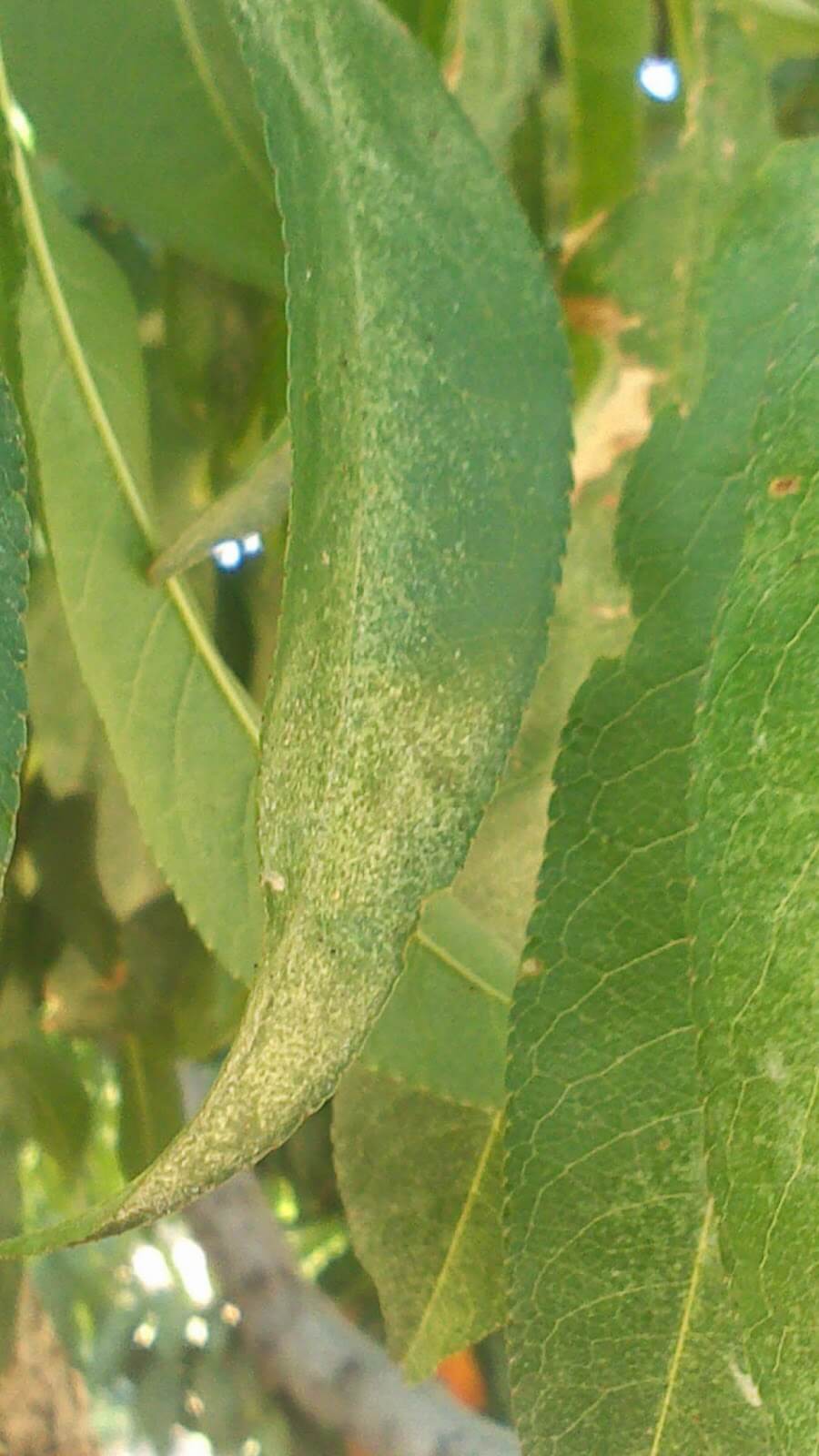
Melocotón, durazno o nectarina
Araña roja

WHO CAUSES IT?
Tetranychus urticae, known as the spider mite, is a tiny mite in the family Tetranychidae that infests a wide variety of plants, including peach, peach, and nectarine. Adults measure approximately 0.5 mm in length and are red, orange or green, depending on their diet and stage of development. The females lay their eggs on the surface of the leaves, from which the larvae emerge in a few days. These larvae go through several molts, including a protonymph phase and a deutymph phase, before reaching maturity. Under optimal conditions, the entire cycle from egg to adult can be completed in one week, allowing for multiple generations in a single growing season. Adults and nymphs suck sap from leaves, causing significant damage to host plants.

SYMPTOMS
In peach, peach or nectarine, the red spider causes a general weakening of the plants, affecting their growth and productivity.
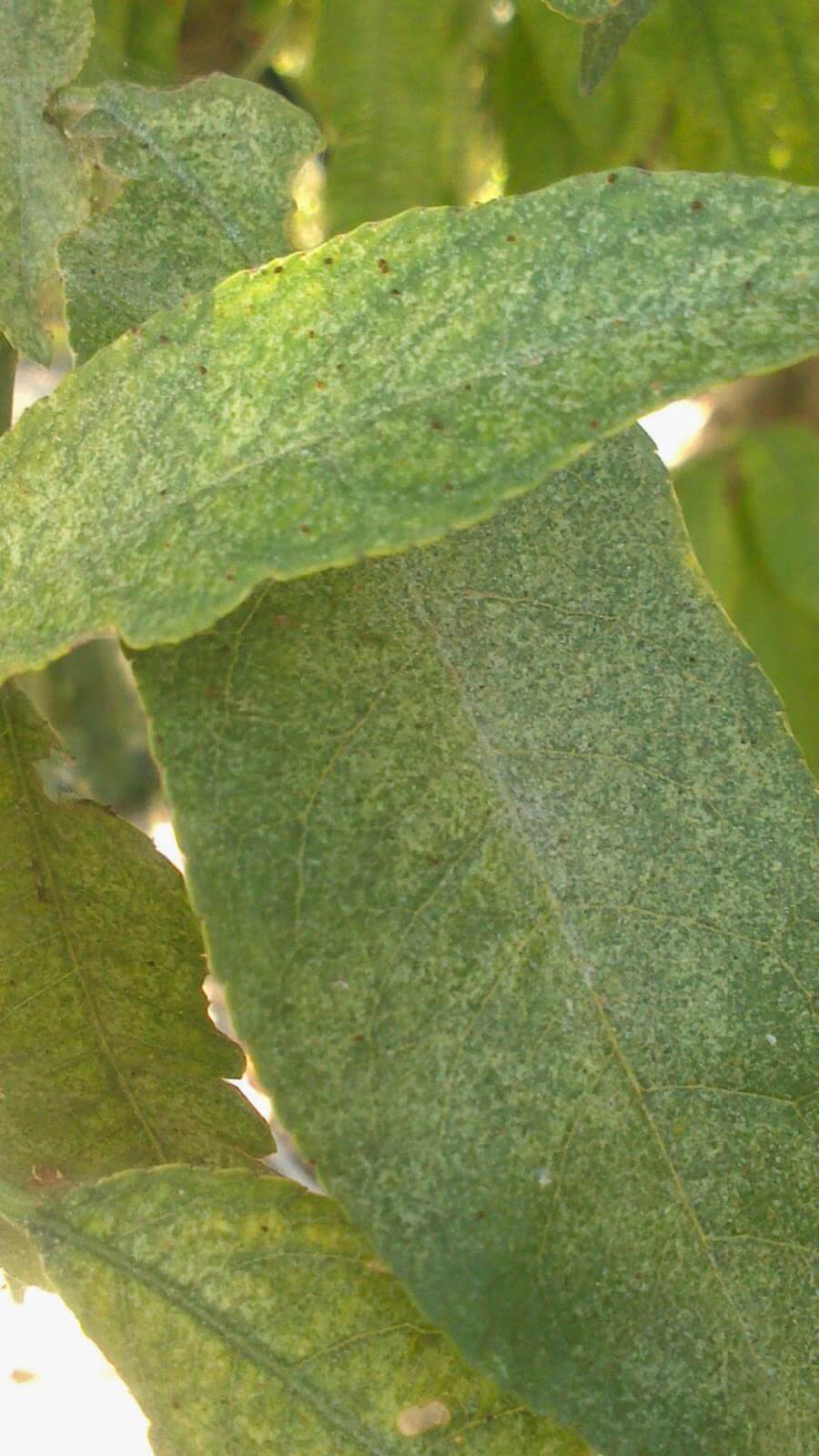
- Yellowish discoloration of the leaves
- Stippling and Taches on the surface of the leaves
- Reduction in photosynthesis due to loss of chlorophyll
- Curling and premature leaf fall
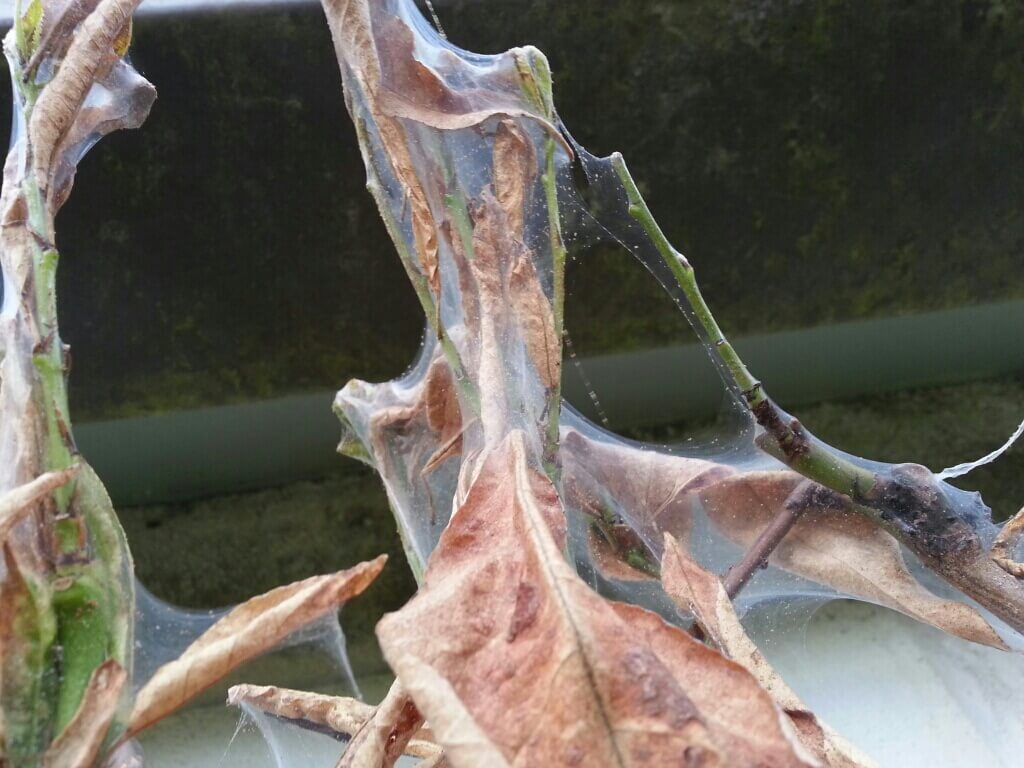
- Presence of fine cobwebs on the underside of the leaves and on the shoots
- Small and deformed fruits
- Reduction in the quality and quantity of the harvest
- Weakened plants and more susceptible to other pests and diseases



TEMPERATURE AND HUMIDITY
25-30°C
40-60%

TRANSMISSION ROUTES
Wind, movement of infected plant material, contaminated tools, direct contact between infested and healthy plants
Do you want to remove this disease? Choose how you want to treat it.

TREATMENTS
Chemical treatments
• RAPE OIL 1.53% [AL] P/V
• RAPE OIL 848.24 g/l [EC] P/V
• ORANGE OIL 60g/L [ME] P/S
• PARAFFIN OIL (CAS [8042-47-5]) 54.6% [EW] P/V
• PARAFFIN OIL (CAS [8042-47-5]) 83% [EC] P/V
• PARAFFIN OIL (CAS [97862-82-3]) 80% [EC] P/V
• PARAFFIN OIL 83% [EC] P/V
• SULFUR 70% [SC] P/V
• SULFUR 72% [SC] P/V
• SULFUR 80% [SC] P/V
• SULFUR 80% [WG] P/P
• SULFUR 80% [WP] P/P
• PHENPIROXIMATE 5.12% [SC] P/V
• TAU-FLUVALINATE 24% [EW] P/V
Treatments allowed in organic farming
• RAPE OIL 1.53% [AL] P/V
• RAPE OIL 848.24 g/l [EC] P/V
• ORANGE OIL 60g/L [ME] P/S
• PARAFFIN OIL (CAS [8042-47-5]) 54.6% [EW] P/V
• PARAFFIN OIL (CAS [8042-47-5]) 83% [EC] P/V
• PARAFFIN OIL (CAS [97862-82-3]) 80% [EC] P/V
• PARAFFIN OIL 83% [EC] P/V
• SULFUR 70% [SC] P/V
• SULFUR 72% [SC] P/V
• SULFUR 80% [SC] P/V
• SULFUR 80% [WG] P/P
• SULFUR 80% [WP] P/P
Biological treatments
• AMBLYSEIUS ANDERSONI (parasitoid and predatory mites)
• BEAUVERIA BASSIANA (STRAIN ATCC 74040) 2.3% (2.3X10E7 VIABLE SPORES/ML) [OD] P/V
• BEAUVERIA BASSIANA (GHA STRAIN) 10.7% (2.26X10E13 CONIDIAS/L) [OD] P/V
• BEAUVERIA BASSIANA (GHA STRAIN) 22% (4.4 x 10E10 CONIDIAS/G) [WP] P/P
• NEOSEIULUS CALIFORNICUS (parasitoid and predatory mites)
• PHYTOSEIULUS PERSIMILIS (parasitoid and predatory mites)
Recommendations
- Regularly monitor crops to detect the presence of mites early.
- Use sticky traps to capture and monitor red spider populations.
- Apply horticultural oils and insecticidal soaps to reduce mite populations.
- Encourage the presence of natural enemies such as predatory mites and lacewings.
- Avoid excessive use of nitrogen fertilizers that can favor the reproduction of mites.
- Maintain good garden hygiene by eliminating plant debris and weeds that may serve as shelter.
- Carry out adequate irrigation to avoid water stress on plants, which makes them more vulnerable.
- Implement integrated pest management (IPM) techniques to reduce dependence on chemicals.
- Apply specific acaricides at critical moments in the pest cycle.
- Rotate phytosanitary products to avoid the development of resistance.





*The recommended treatments are recommendations based on the authorities' databases and in no way replace the guidelines established by the legislation of each country.
*Products shown are recommendations and not our own products. As Amazon Associates, we earn revenue from purchases of recommended products.

TREATMENTS
Homemade remedies
There are no home treatments
Natural allies
Chemical treatments
There are no treatments for this disease. Treatments are directed at the insect vectors that transmit it. See insect treatments.

RECOMMENDATIONS

REPELLENT PLANTS
EFFECTIVE PRODUCTS TO ELIMINATE THIS DISEASE
*The recommended treatments are recommendations based on the authorities' databases and in no way replace the guidelines established by the legislation of each country.
*Products shown are recommendations and not our own products. As Amazon Associates, we earn revenue from purchases of recommended products.



Explore more tools
Services
Contact
Legal
©2023 por ZeriMar Laboratoire. Todos los derechos reservados.