


Symptoms, treatments, and recommendations for treating gray mold
Gray Rot
Botrytis Cinerea
Pathogen:
Type:
Fungus
Risk:
HIGH
Lechuga y similares
Podredumbre gris

WHO CAUSES IT?
Botrytis cinerea is a pathogenic fungus that affects a wide variety of plants, especially in humid and temperate climates. This fungus produces conidia, which are asexual reproductive structures, released in large quantities when humidity conditions are high. Conidia are dispersed mainly through the air, settling on plant surfaces where they find wounds or weakened tissues to initiate infection. Upon establishing itself in plant tissue, the fungus develops a grayish mycelium that degrades plant tissues through the release of enzymes and toxins. As the infection progresses, the fungus also produces survival structures called sclerotia, which can resist adverse conditions and persist in soil or plant debris for long periods, ready to reinfect when conditions are favorable again.

SYMPTOMS
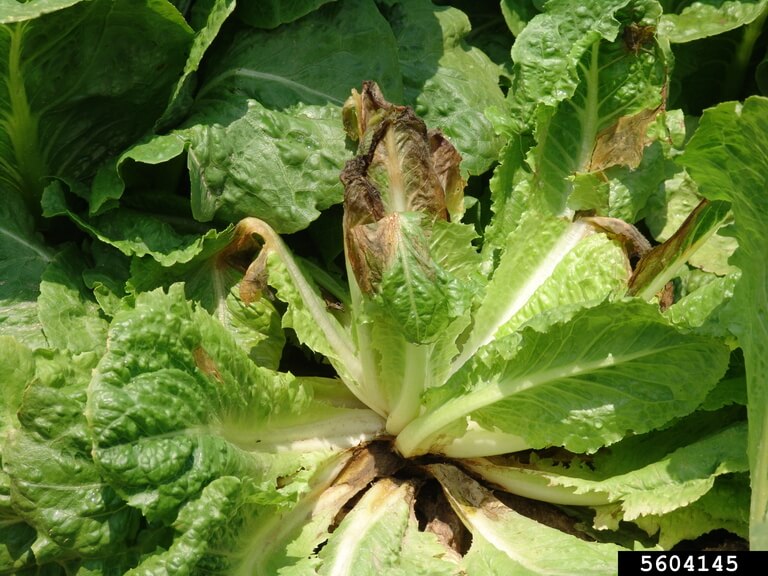
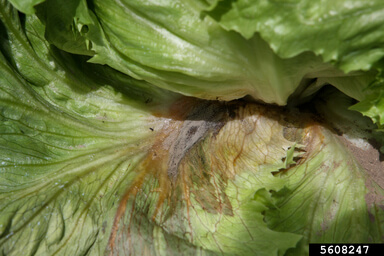
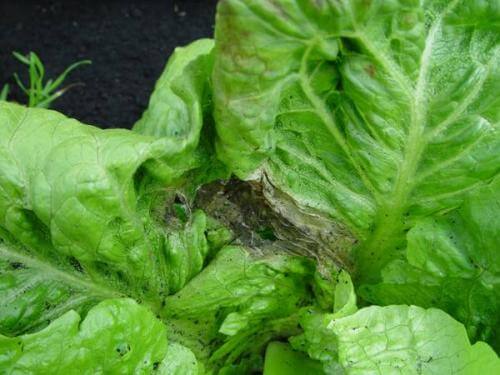
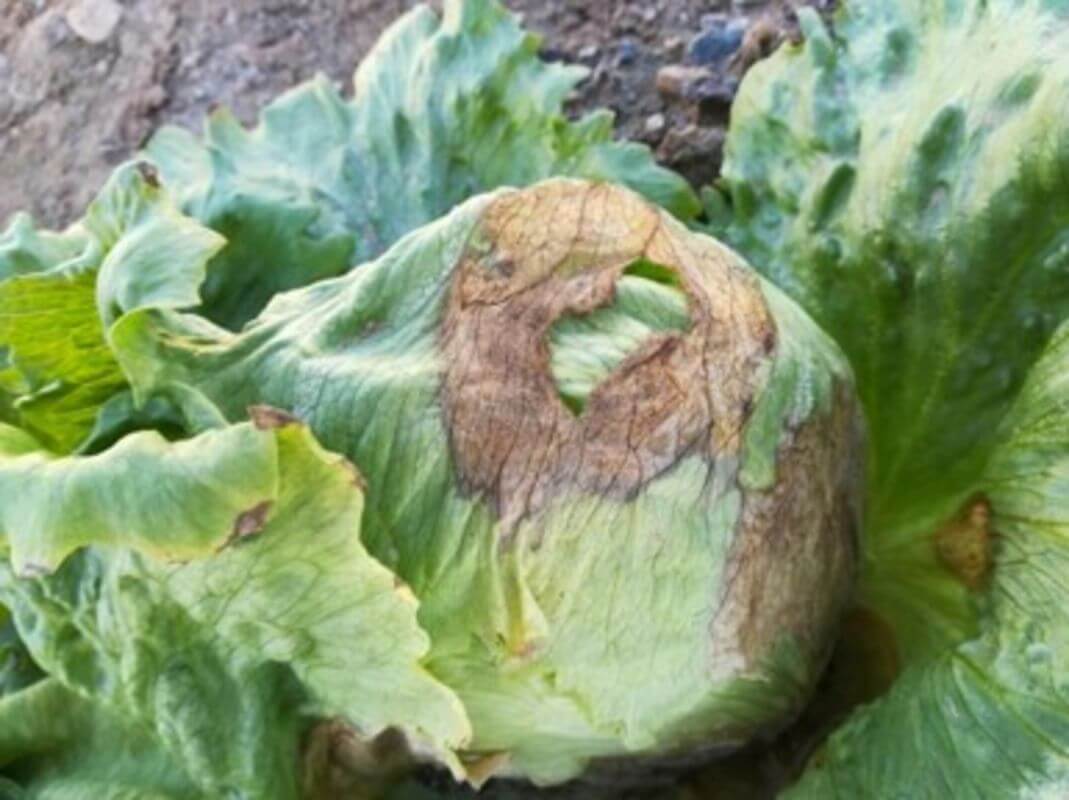
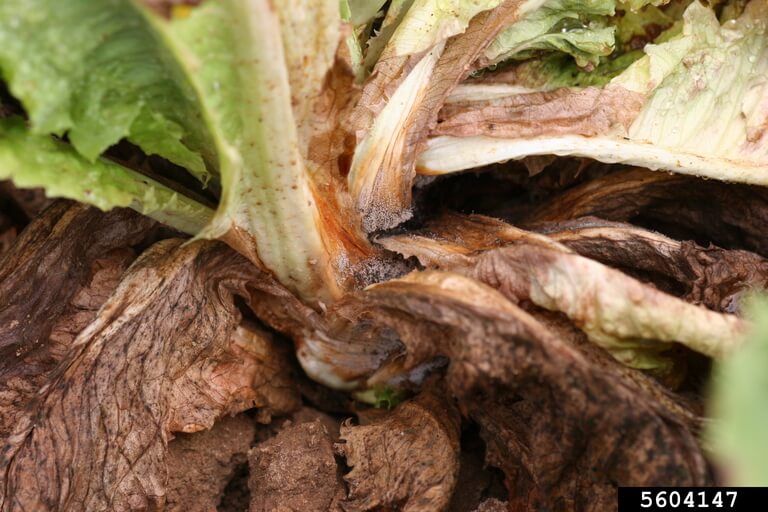
Gray rot caused by Botrytis cinerea is a devastating disease for lettuce and similar crops, affecting both leaves and stems. The infection develops mainly in high humidity conditions and spreads rapidly in closed environments such as greenhouses. Initially, watery Taches are observed on the leaves, which expand and become necrotic, developing a characteristic gray mold in the affected areas.
- Watery Taches on leaves and stems.
- Progressive necrosis of the leaves.
- Appearance of a grayish mold on the affected tissues.
- Rotting of the lower leaves, especially in contact with the ground.
- Collapse of the plant in advanced stages.
- Formation of black sclerotia in infected tissues.


TEMPERATURE AND HUMIDITY
15-20°C
90-100%

TRANSMISSION ROUTES
Airborne conidia, infected plant debris, contaminated tools, irrigation water, infected transplants
Do you want to remove this disease? Choose how you want to treat it.

TREATMENTS
Chemical treatments
• AZOXISTROBIN 25% [SC] P/V
• CIPRODINIL 37.5% + FLUDIOXONIL 25% [WG] P/P
• DIFENOCONAZOLE 25% [EC] P/V
• EUGENOL 3.3% + GERANIOL 6.6% + THYMOL 6.6% [CS] P/V
• PHENHEXAMIDE 50% [SC] P/V
• PHENHEXAMIDE 50% [WG] P/P
• FLUDIOXONIL 50% [WG] P/P
• FLUOPYRAM 25% + TRIFLOXISTROBIN 25% [SC] P/V
• LAMINARIN 4.5% [SL] P/S
• COPPER OXYCHLORIDE 35% (EXPR. IN CU) [WG] P/P
• PENTIOPYRAD 20% [SC] P/V
• PIRACLOSTROBIN 6.7% + BOSCALIDE 26.7% ( ) [WG] P/P
• PIRACLOSTROBIN 6.7% + BOSCALIDE 26.7% (I) [WG] P/P
• PYRIMETANIL 40% [SC] P/V
Treatments allowed in organic farming
• EUGENOL 3.3% + GERANIOL 6.6% + THYMOL 6.6% [CS] P/V
• LAMINARIN 4.5% [SL] P/S
• COPPER OXYCHLORIDE 35% (EXPR. IN CU) [WG] P/P
Biological treatments
• BACILLUS AMYLOLIQUEFACIENS (strain AH2) (1x10E11 CFU/l) [SC] P/V
• BACILLUS AMYLOLIQUEFACIENS (strain FZB24) 13% [WP] P/P
• BACILLUS AMYLOLIQUEFACIENS (MBI 600 strain) 11% [WP] P/P
• BACILLUS AMYLOLIQUEFACIENS (subsp. plantarum, strain D747) 25% [WG] P/P
• BACILLUS AMYLOLIQUEFACIENS subsp. plantarum (strain D747) 5% [SC] P/V
• BACILLUS SUBTILIS (strain IAB/BS03) (1 x 10E8 cfu/ml) 10 g/l [SL] P/V
• BACILLUS SUBTILIS (STRAIN QST 713) 1.34% [SC] P/V
• CLONOSTACHYS ROSEA CEPA J1446 (GLIOCLADIUM CATENULATUM (CEPA J1446)) (1 x 10E 9 cfu/g) 900 g/kg [WG] P/P
Recommendations
- Maintain adequate ventilation in greenhouses to reduce relative humidity and improve air circulation.
- Avoid excessive watering and reduce foliage humidity by applying drip irrigation instead of sprinkling.
- Immediately remove and destroy infected plant remains to reduce sources of inoculation.
- Apply specific preventive fungicides in periods of greatest risk, alternating products with different modes of action to avoid resistance.
- Implement crop rotations with plants not susceptible to *Botrytis* to reduce inoculum pressure in the soil.
- Avoid damage to the plants, such as wounds or cuts, which could facilitate the entry of the fungus.
- Use lettuce varieties with greater tolerance or resistance to *Botrytis*.
- Apply treatments with biological agents that compete with the fungus, such as *Trichoderma* or *Bacillus subtilis*.





*The recommended treatments are recommendations based on the authorities' databases and in no way replace the guidelines established by the legislation of each country.
*Products shown are recommendations and not our own products. As Amazon Associates, we earn revenue from purchases of recommended products.

TREATMENTS
Homemade remedies
There are no home treatments
Natural allies
Chemical treatments
There are no treatments for this disease. Treatments are directed at the insect vectors that transmit it. See insect treatments.

RECOMMENDATIONS

REPELLENT PLANTS
EFFECTIVE PRODUCTS TO ELIMINATE THIS DISEASE
*The recommended treatments are recommendations based on the authorities' databases and in no way replace the guidelines established by the legislation of each country.
*Products shown are recommendations and not our own products. As Amazon Associates, we earn revenue from purchases of recommended products.



Explore more tools
Services
Contact
Legal
©2023 por ZeriMar Laboratoire. Todos los derechos reservados.