


Symptoms, treatments and recommendations for treating chancre
Chancre
Cytospora Sp.
Pathogen:
Type:
Fungus
Risk:
HIGH
Cerezo
Cancros

WHO CAUSES IT?
Cytospora sp. It is a phytopathogenic fungus that infects a wide variety of fruit and ornamental trees, including the cherry tree. This fungus spreads through conidia, which are asexual spores produced in structures called pycnidia. Pycnidia develop in dead or dying bark tissues and release conidia under conditions of high humidity. Conidia are spread by wind, rain or insects and, upon finding a wound in the host plant, germinate and infect the underlying tissue. The infection progresses slowly during cold, wet periods, and may remain dormant until conditions are favorable for rapid growth of the fungus. The mycelium of the fungus invades the phloem and cambium tissues, causing cell death and the formation of cankers.

SYMPTOMS
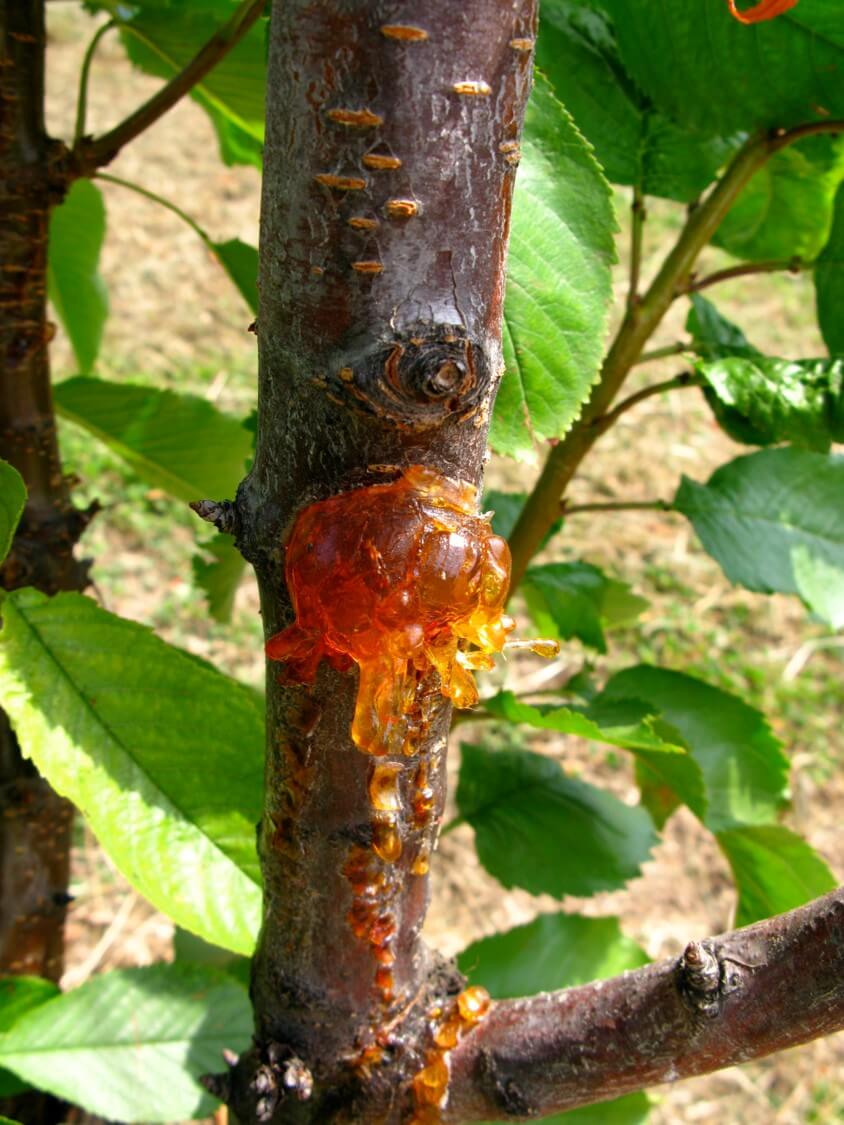
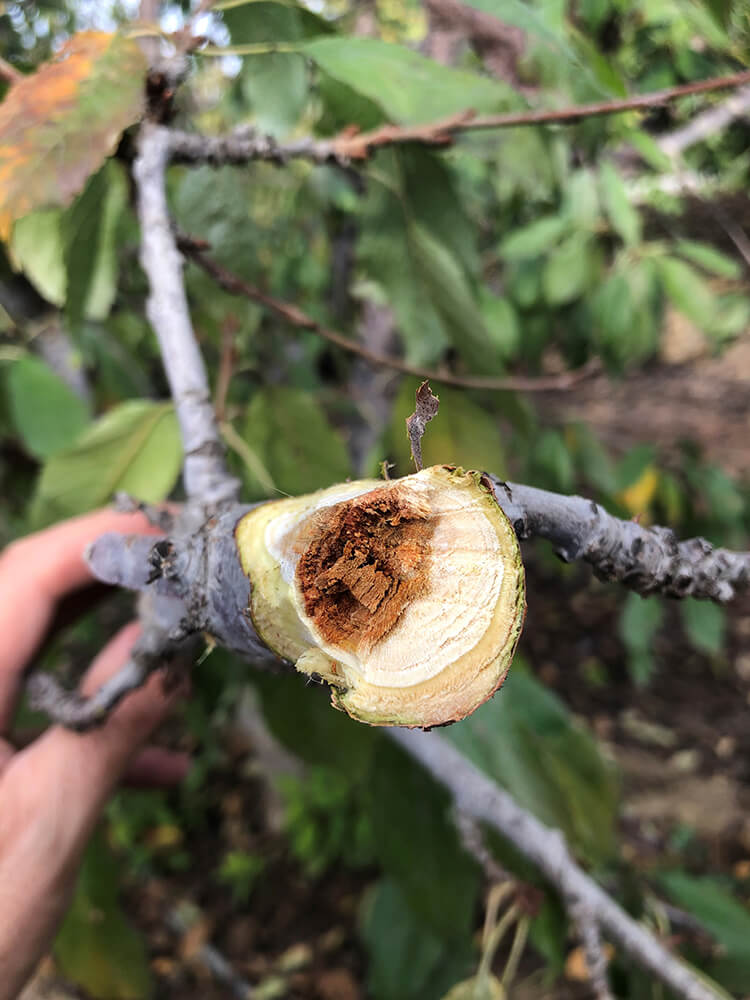
Chancre disease caused by Cytospora sp. significantly affects the cherry tree, causing visible damage to the bark and underlying tissues. Initial infection usually occurs in pruning wounds, bark cracks, or mechanical damage. As the disease progresses, the cankers expand, cutting off the flow of nutrients and water, which can lead to the death of entire branches or even the entire plant in severe cases.
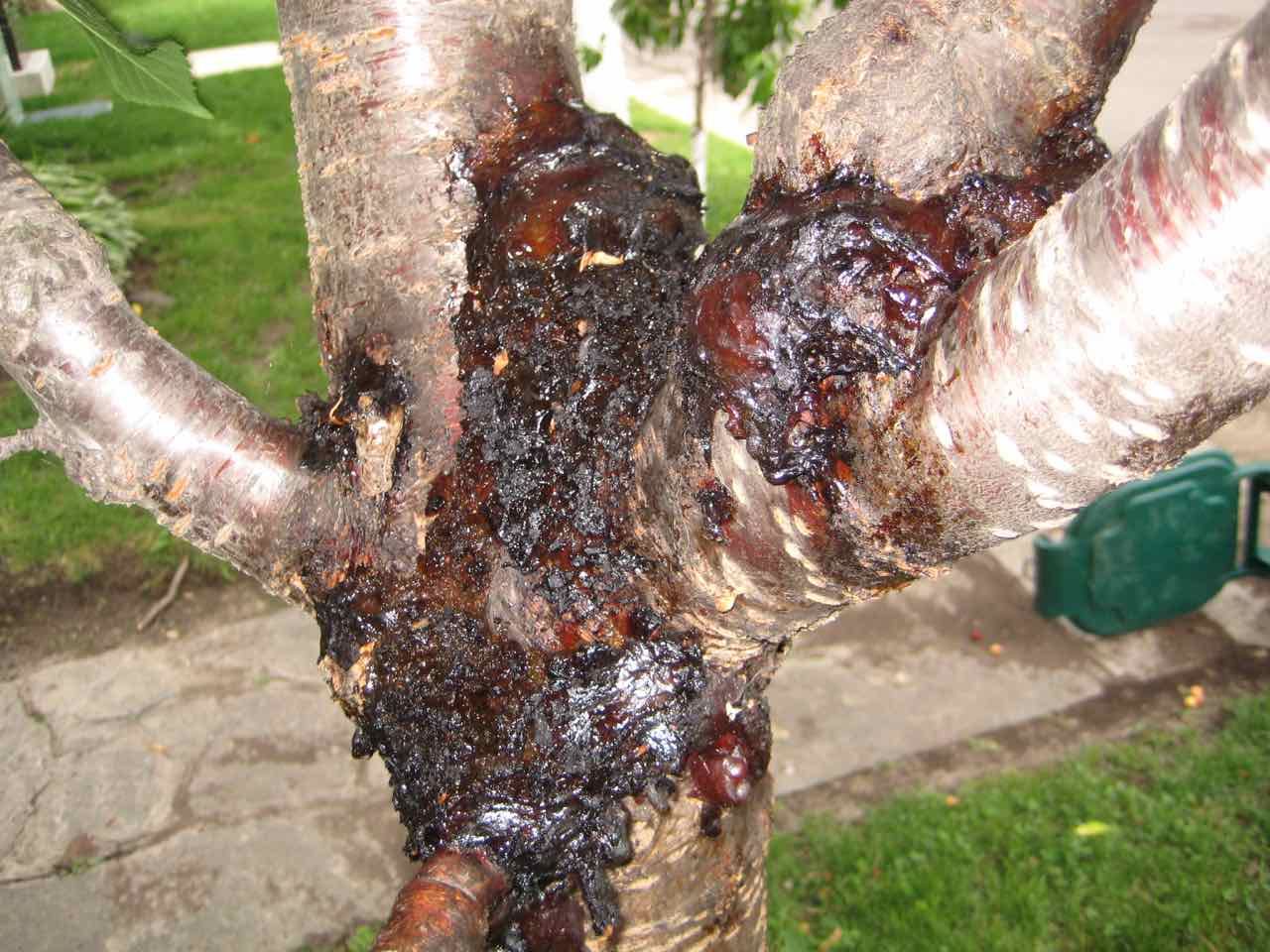
- Appearance of sunken and discolored cankers on the bark
- Exudation of resinous or rubbery sap from the cankers
- Dieback of branches and shoots
- Discoloration and wilting of leaves on affected branches
- Premature fall of leaves and fruits
- Presence of pycnidia on the surface of the cankers


TEMPERATURE AND HUMIDITY
15°C - 25°C
70% - 90%

TRANSMISSION ROUTES
Wind-borne conidia, Rain, Insects, Contaminated pruning tools, Infected plant material
Do you want to remove this disease? Choose how you want to treat it.

TREATMENTS
Chemical treatments
• COPPER OXYCHLORIDE 52% (EXPR. IN CU) [SC] P/V
• COPPER OXYCHLORIDE 30% (EXPR. IN CU) [WP] P/P
Treatments allowed in organic farming
• COPPER OXYCHLORIDE 52% (EXPR. IN CU) [SC] P/V
• COPPER OXYCHLORIDE 30% (EXPR. IN CU) [WP] P/P
Biological treatments
-
Recommendations
- Carry out pruning in dry conditions to minimize the risk of infection and use sterilized tools to prevent the spread of the fungus.
- Apply preventive treatments with specific fungicides in the periods of highest risk of infection, especially in spring and autumn.
- Maintain good health of the tree through adequate fertilization and irrigation, avoiding water and nutritional stress that weakens the plant.
- Remove and destroy affected tissues and dead branches to reduce the source of inoculum in the orchard.
- Use protective covers to avoid mechanical damage to the bark and reduce opportunities for infection.
- Implement crop rotation and avoid replanting in areas with a history of Cytospora infection.
- Promote biodiversity in the garden to favor the presence of natural enemies of the fungus.
- Carry out constant monitoring of the culture to detect early symptoms of the disease and act quickly.





*The recommended treatments are recommendations based on the authorities' databases and in no way replace the guidelines established by the legislation of each country.
*Products shown are recommendations and not our own products. As Amazon Associates, we earn revenue from purchases of recommended products.

TREATMENTS
Homemade remedies
There are no home treatments
Natural allies
Chemical treatments
There are no treatments for this disease. Treatments are directed at the insect vectors that transmit it. See insect treatments.

RECOMMENDATIONS

REPELLENT PLANTS
EFFECTIVE PRODUCTS TO ELIMINATE THIS DISEASE
*The recommended treatments are recommendations based on the authorities' databases and in no way replace the guidelines established by the legislation of each country.
*Products shown are recommendations and not our own products. As Amazon Associates, we earn revenue from purchases of recommended products.



Explore more tools
Services
Contact
Legal
©2023 por ZeriMar Laboratoire. Todos los derechos reservados.