


Symptoms, treatments and recommendations for treating screening
Screening
Stigmina Carpophila / Coryneum Beijerinckii / Wilsonomyces Carpophilus
Pathogen:
Type:
Fungus
Risk:
HIGH
Melocotón, durazno o nectarina
Micosis/Hongos

WHO CAUSES IT?
Stigmina carpophila, the fungus causing screening, is a pathogen that affects a variety of fruit trees, including peach, peach and nectarine. This fungus survives in plant debris and tree buds during the winter. With the arrival of spring and increased humidity, the fungus produces conidia that are spread by wind and rain, infecting new tissues. Spores germinate in moist conditions and penetrate leaves and fruits through stomata and wounds. As infections progress, the fungus develops fruiting structures in the lesions, releasing more spores to perpetuate the infection cycle throughout the growing season.

SYMPTOMS
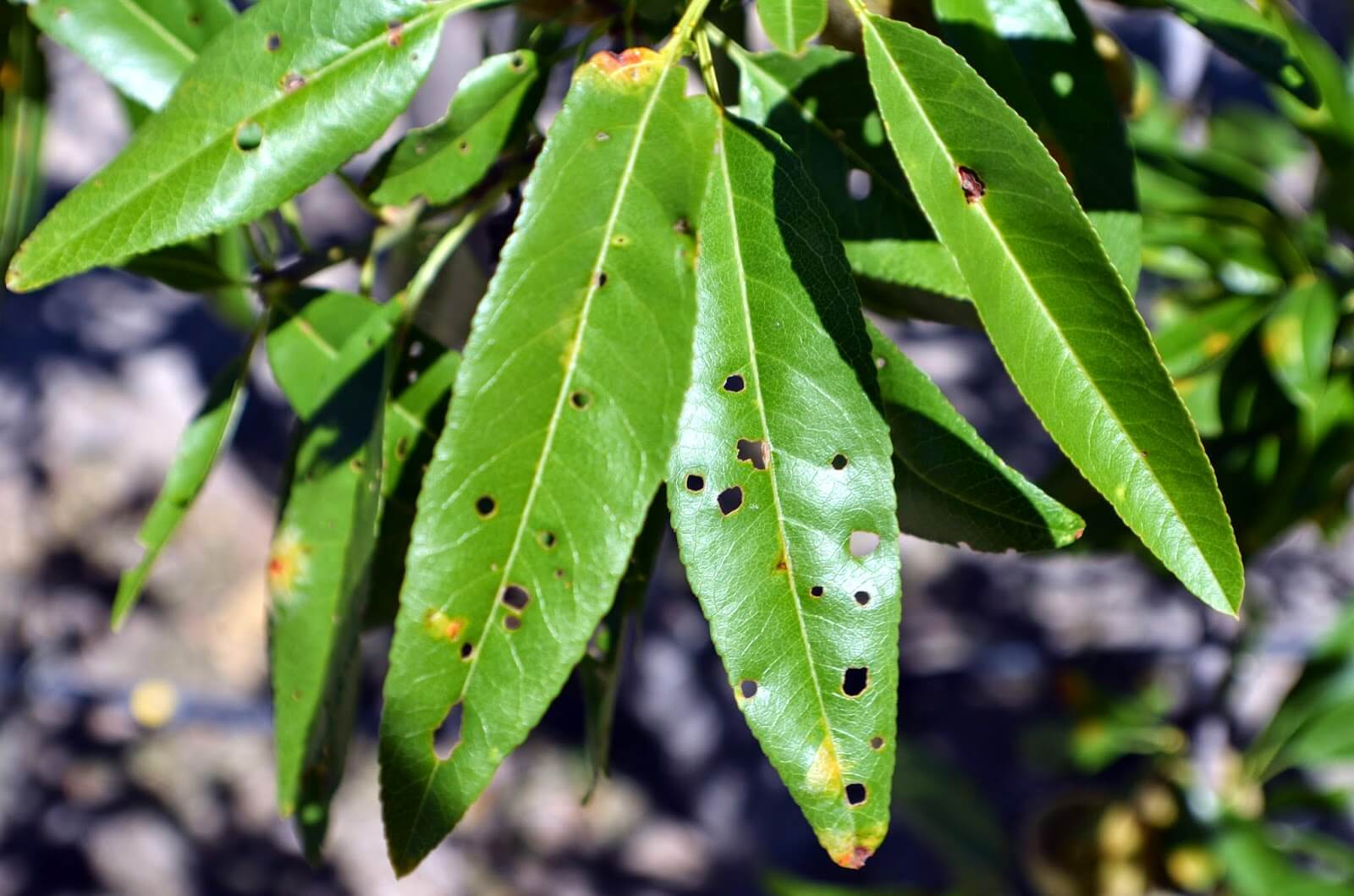
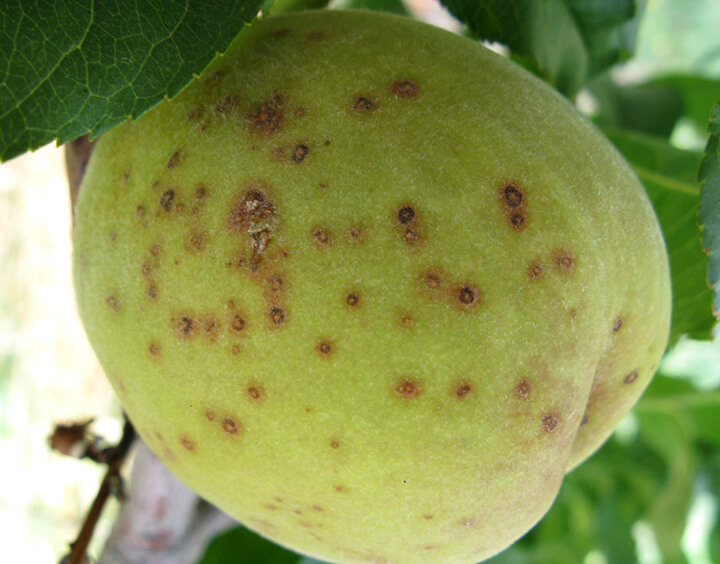
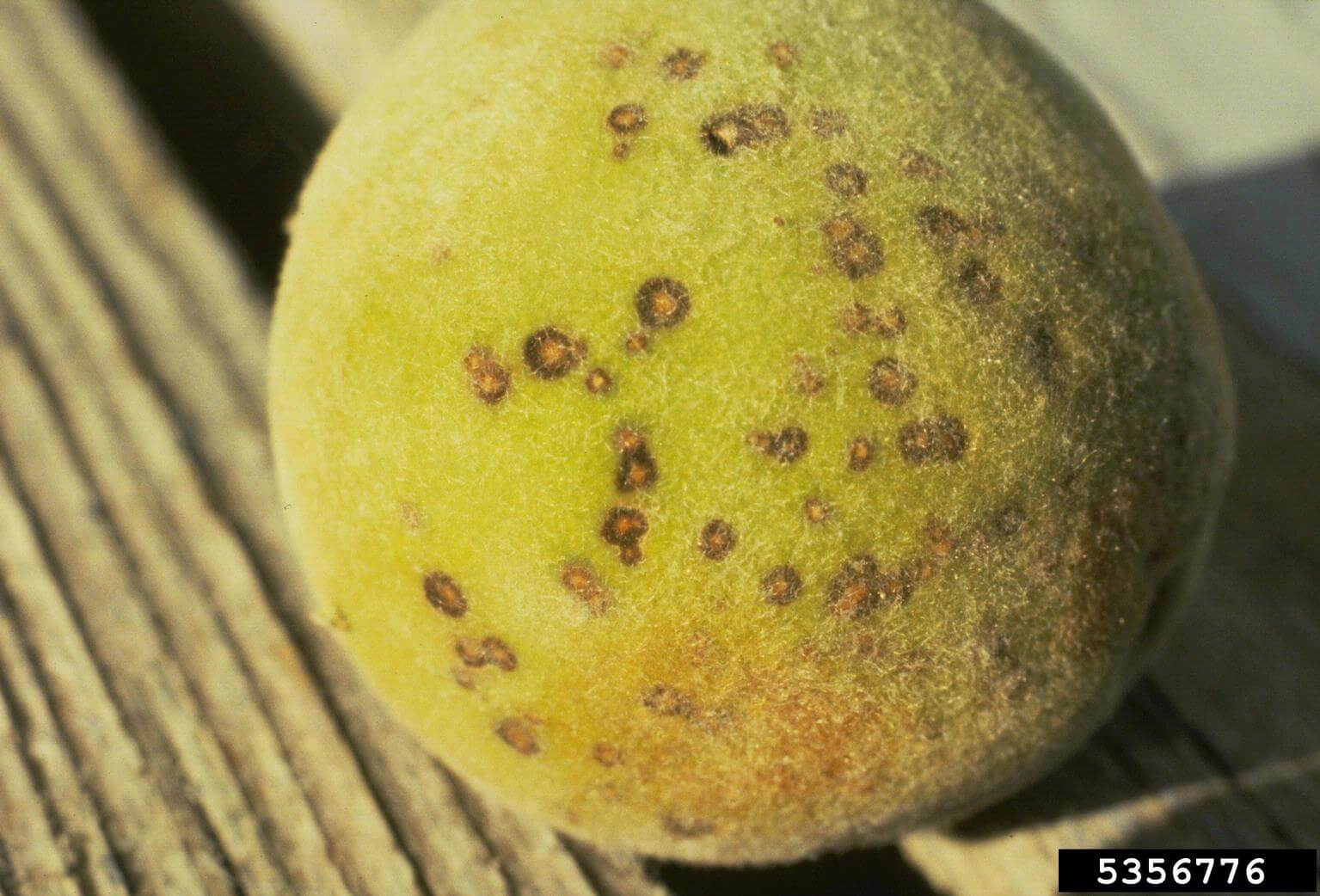
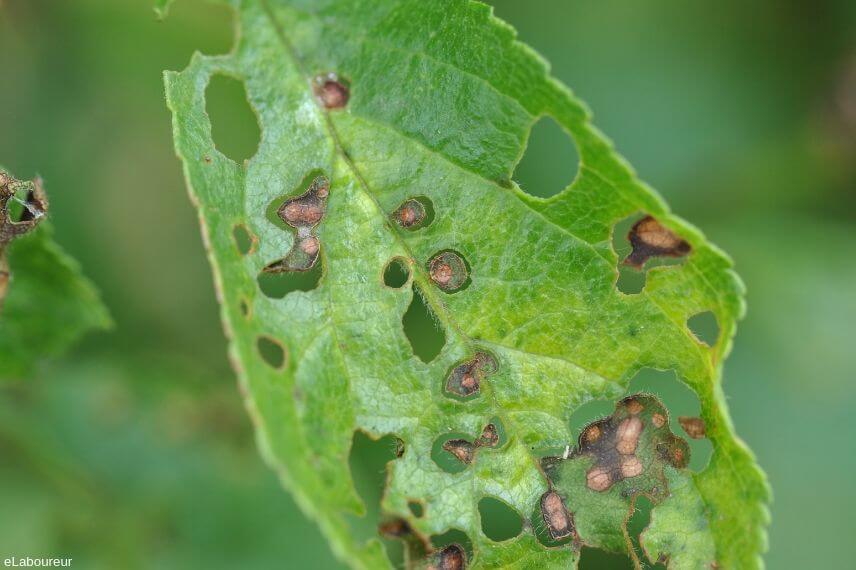
In peach, peach or nectarine, screening disease initially manifests itself as small red or purple Taches on the leaves, which eventually develop a necrotic center and fall off, leaving characteristic holes in the foliage. These lesions can extend to fruits and shoots, affecting the quality and yield of the crop. Symptoms include:
- Red or purple Taches on the leaves.
- Necrotic centers in the Taches that fall off, leaving holes.
- Similar injuries to the fruits, which can lead to deformations and premature falls.
- Affected shoots that may show signs of necrosis and dieback.
- Reduction in the quality and quantity of the harvest.
- General weakening of affected trees, making them more susceptible to other diseases and pests.


TEMPERATURE AND HUMIDITY
10°C - 25°C
80% - 95%

TRANSMISSION ROUTES
Wind, rain, contaminated tools, infected plant remains
Do you want to remove this disease? Choose how you want to treat it.

TREATMENTS
Chemical treatments
• CAPTAN 47.5% [SC] P/V
• CAPTAIN 80% [WG] P/P
• DIFENOCONAZOLE 25% [EC] P/V
• CUPRIC HYDROXIDE 13.6% (EXPR. IN CU) + COPPER OXYCHLORIDE 13.6% (EXPR. IN CU) [SC] P/V
• CUPRIC HYDROXIDE 20% (EXPR. IN CU) [WG] P/P
• CUPRIC HYDROXIDE 25% (EXPR. IN CU) [WG] P/P
• CUPRIC HYDROXIDE 35% (EXPR. IN CU) [WG] P/P
• CUPRIC HYDROXIDE 36% (EXPR. IN CU) [SC] P/V
• CUPRIC HYDROXIDE 40% (EXPR. IN CU) [WG] P/P
• CUPRIC HYDROXIDE 50% (EXPR. IN CU) [WG] P/P
• CUPRIC HYDROXIDE 50% (EXPR. IN CU) [WP] P/P
• COPPER OXYCHLORIDE (Exp. in Cu) 52% [SC] P/V
• COPPER OXYCHLORIDE 14% (exp. in Cu) + CUPRIC HYDROXIDE 14% (exp. in Cu) [WG] P/P
• COPPER OXYCHLORIDE 30% (EXPR. IN CU) [WP] P/P
• COPPER OXYCHLORIDE 35% (exp. in Cu) [WG] P/P
• COPPER OXYCHLORIDE 35% (EXPR. IN CU) [WG] P/P
• COPPER OXYCHLORIDE 37.5% (EXPR. IN CU) [WG] P/P
• COPPER OXYCHLORIDE 38% (EXPR. IN CU) [SC] P/V
• COPPER OXYCHLORIDE 50% (EXPR. IN CU) [WG] P/P
• COPPER OXYCHLORIDE 50% (EXPR. IN CU) [WP] P/P
• COPPER OXYCHLORIDE 52% (EXPR. IN CU) [SC] P/V
• COPPER OXYCHLORIDE 70% (EXPR. IN CU) [SC] P/V
• CUPROUS OXIDE 50% (EXPR. IN CU) [WP] P/P
• CUPROCALCIC SULFATE 12.4% (EXPR. IN CU) [SC] P/V
• CUPROCALCIC SULFATE 20% (EXPR. IN CU) [WG] P/P
• CUPROCALCIC SULFATE 20% (EXPR. IN CU) [WP] P/P
• CUPROCALCIC SULFATE 20% (EXPR. IN CU) [WG] P/P
• CUPROCALCIC SULFATE 20% [WP] P/P
• TRIBASIC COPPER SULFATE 40% (EXPR. IN CU) [WG] P/P
Treatments allowed in organic farming
• CUPRIC HYDROXIDE 13.6% (EXPR. IN CU) + COPPER OXYCHLORIDE 13.6% (EXPR. IN CU) [SC] P/V
• CUPRIC HYDROXIDE 20% (EXPR. IN CU) [WG] P/P
• CUPRIC HYDROXIDE 25% (EXPR. IN CU) [WG] P/P
• CUPRIC HYDROXIDE 35% (EXPR. IN CU) [WG] P/P
• CUPRIC HYDROXIDE 36% (EXPR. IN CU) [SC] P/V
• CUPRIC HYDROXIDE 40% (EXPR. IN CU) [WG] P/P
• CUPRIC HYDROXIDE 50% (EXPR. IN CU) [WG] P/P
• CUPRIC HYDROXIDE 50% (EXPR. IN CU) [WP] P/P
• COPPER OXYCHLORIDE (Exp. in Cu) 52% [SC] P/V
• COPPER OXYCHLORIDE 14% (exp. in Cu) + CUPRIC HYDROXIDE 14% (exp. in Cu) [WG] P/P
• COPPER OXYCHLORIDE 30% (EXPR. IN CU) [WP] P/P
• COPPER OXYCHLORIDE 35% (exp. in Cu) [WG] P/P
• COPPER OXYCHLORIDE 35% (EXPR. IN CU) [WG] P/P
• COPPER OXYCHLORIDE 37.5% (EXPR. IN CU) [WG] P/P
• COPPER OXYCHLORIDE 38% (EXPR. IN CU) [SC] P/V
• COPPER OXYCHLORIDE 50% (EXPR. IN CU) [WG] P/P
• COPPER OXYCHLORIDE 50% (EXPR. IN CU) [WP] P/P
• COPPER OXYCHLORIDE 52% (EXPR. IN CU) [SC] P/V
• COPPER OXYCHLORIDE 70% (EXPR. IN CU) [SC] P/V
• CUPROUS OXIDE 50% (EXPR. IN CU) [WP] P/P
• CUPROCALCIC SULFATE 12.4% (EXPR. IN CU) [SC] P/V
• CUPROCALCIC SULFATE 20% (EXPR. IN CU) [WG] P/P
• CUPROCALCIC SULFATE 20% (EXPR. IN CU) [WP] P/P
• CUPROCALCIC SULFATE 20% (EXPR. IN CU) [WG] P/P
• CUPROCALCIC SULFATE 20% [WP] P/P
• TRIBASIC COPPER SULFATE 40% (EXPR. IN CU) [WG] P/P
Biological treatments
• Trichoderma atroviride strain SC1 1(1 x 10E10 cfu)/g [WG] P/P
Recommendations
- Carry out sanitary pruning to eliminate and destroy parts affected by the fungus, reducing the inoculum load.
- Apply preventive fungicide treatments during spring and fall, following the specific recommendations for the use of these products.
- Maintain good aeration in the tree crown through appropriate pruning to reduce humidity and the probability of infection.
- Avoid sprinkler irrigation to minimize the spread of fungal spores.
- Implement a regular monitoring program to detect the disease early and act quickly.
- Disinfect pruning tools and equipment used in garden management to prevent the spread of the fungus.
- Keep the garden clean and free of plant debris that can serve as reservoirs for the pathogen.
- Apply soil covers to reduce the spread of spores from infected plant remains.





*The recommended treatments are recommendations based on the authorities' databases and in no way replace the guidelines established by the legislation of each country.
*Products shown are recommendations and not our own products. As Amazon Associates, we earn revenue from purchases of recommended products.

TREATMENTS
Homemade remedies
There are no home treatments
Natural allies
Chemical treatments
There are no treatments for this disease. Treatments are directed at the insect vectors that transmit it. See insect treatments.

RECOMMENDATIONS

REPELLENT PLANTS
EFFECTIVE PRODUCTS TO ELIMINATE THIS DISEASE
*The recommended treatments are recommendations based on the authorities' databases and in no way replace the guidelines established by the legislation of each country.
*Products shown are recommendations and not our own products. As Amazon Associates, we earn revenue from purchases of recommended products.



Explore more tools
Services
Contact
Legal
©2023 por ZeriMar Laboratoire. Todos los derechos reservados.