


Symptoms, treatments, and recommendations for treating the Asian citrus psyllid
Asian Citrus Psyllid
Diaphorina Citri
Pathogen:
Type:
Insect
Risk:
CRITICAL
Limonero
Psilas

WHO CAUSES IT?
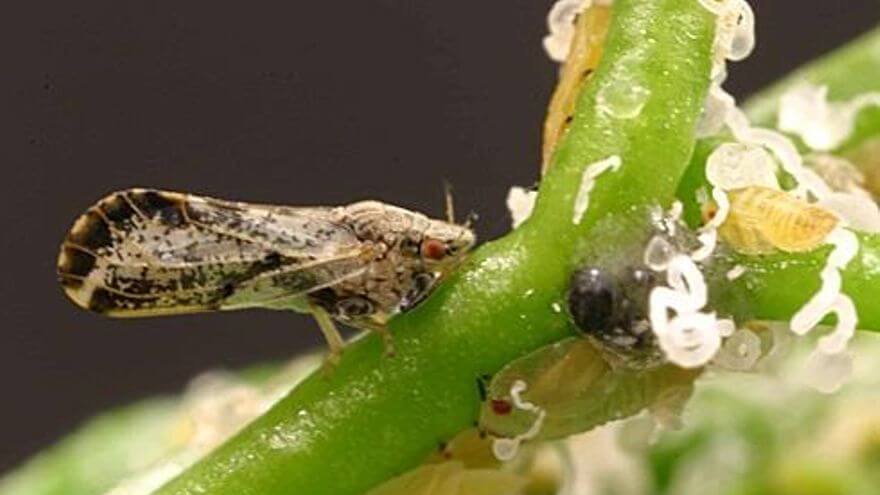
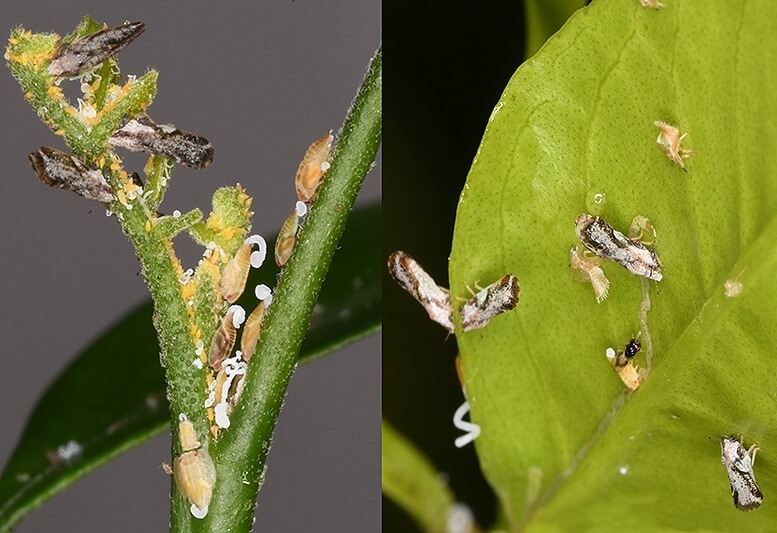
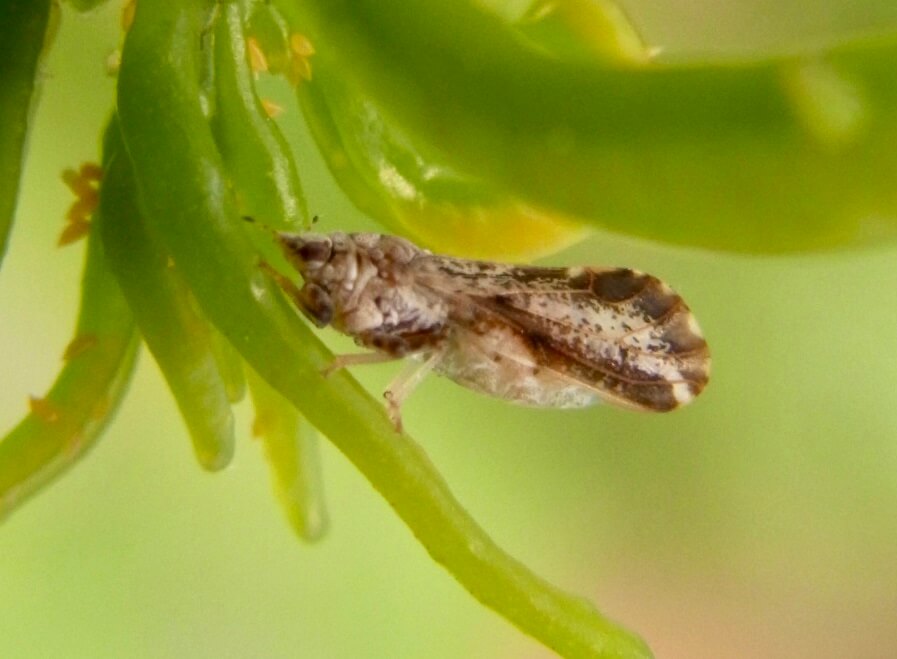
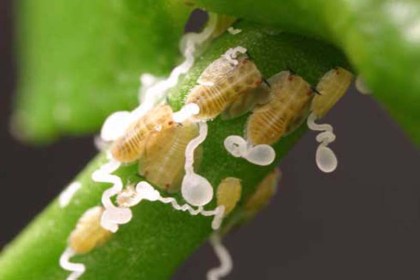
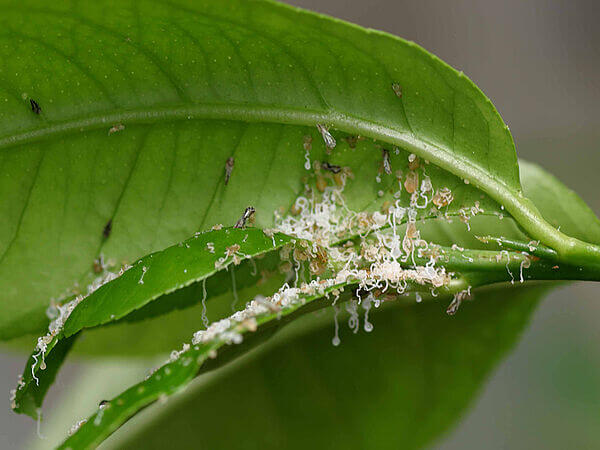
Diaphorina citri, known as the Asian citrus psyllid, is a small hemipteran insect that is the primary vector of huanglongbing (HLB). This insect goes through several stages of development: egg, five nymphal stages and adult. The pale yellow eggs are laid in the tender shoots of citrus trees and hatch in approximately 4-5 days. The nymphs, which cannot fly, feed on the sap of young leaves and go through five instars in about 10-15 days before becoming adults. The grayish-brown adults are mobile and can fly long distances. Their longevity varies, but they can live for several weeks, during which they can reproduce continuously. Psyllids feed by inserting their stylets into the plant phloem to suck sap, during which they can acquire and transmit the bacteria Candidatus Liberibacter asiaticus, the causative agent of HLB.

SYMPTOMS
The disease caused by Diaphorina citri in lemon trees is huanglongbing (HLB), also known as citrus greening or yellow dragon. This disease is devastating and seriously affects the health and productivity of the lemon tree. Symptoms initially appear on the leaves and fruits, but over time, the disease affects the entire plant.
- Leaves with asymmetrical yellow mottling.
- Yellowish and deformed shoots.
- Small, deformed fruits with uneven ripening.
- Bitter and unpleasant taste of the fruits.
- Premature fall of leaves and fruits.
- Thickening of the veins of the leaves.
- Loss of vigor and productivity of the plant.
- Eventual death of the tree if not managed properly.


TEMPERATURE AND HUMIDITY
25°C - 30°C
50% - 80%

TRANSMISSION ROUTES
Asian citrus psyllid, Infected plant material, Contaminated tools, Direct contact between plants
Do you want to remove this disease? Choose how you want to treat it.

TREATMENTS
Chemical treatments
• PYRIPROXIFEN 10% [EC] P/V
• ORANGE OIL 60g/L [ME] P/S
Treatments allowed in organic farming
• ORANGE OIL 60g/L [ME] P/S
Biological treatments
-
Recommendations
- Regularly monitor lemon trees for the presence of psyllids and HLB symptoms.
- Implement a biological control program using natural predators of the Asian psyllid, such as ladybugs and lacewings.
- Use yellow adhesive traps to capture psyllids and reduce their populations.
- Apply specific and effective insecticides against Diaphorina citri, following technical and safety recommendations.
- Properly remove and destroy infected plants to prevent the spread of the disease.
- Maintain a strict quarantine for new plants and plant materials entering the garden.
- Carry out sanitary pruning and disinfect the tools used in crop management.
- Promote the health of the crop through adequate nutritional management and irrigation.
- Educate workers and producers on the identification and management of the Asian psyllid and HLB.





*The recommended treatments are recommendations based on the authorities' databases and in no way replace the guidelines established by the legislation of each country.
*Products shown are recommendations and not our own products. As Amazon Associates, we earn revenue from purchases of recommended products.

TREATMENTS
Homemade remedies
There are no home treatments
Natural allies
Chemical treatments
There are no treatments for this disease. Treatments are directed at the insect vectors that transmit it. See insect treatments.

RECOMMENDATIONS

REPELLENT PLANTS
EFFECTIVE PRODUCTS TO ELIMINATE THIS DISEASE
*The recommended treatments are recommendations based on the authorities' databases and in no way replace the guidelines established by the legislation of each country.
*Products shown are recommendations and not our own products. As Amazon Associates, we earn revenue from purchases of recommended products.



Explore more tools
Services
Contact
Legal
©2023 por ZeriMar Laboratoire. Todos los derechos reservados.