


Symptoms, treatments, and recommendations for treating purple spot or raspberry spur blight
Purple Spot Or Raspberry Spur Blight
Didymella Applanata
Pathogen:
Type:
Fungus
Risk:
INTERMEDIATE
Frambuesa
Micosis/Hongos

WHO CAUSES IT?
Didymella applanata is a fungus that causes the disease known as purple spot or spur blight on raspberries. This fungus overwinters in the remains of infected plants and in lesions on canes. During spring and summer, when moisture conditions are favorable, the fungus produces fruiting structures known as pycnidia in the lesions. These pycnidia release conidia, which are asexual spores spread by splashing water and wind. Conidia germinate on the surface of the canes and young leaves of raspberries, penetrating through wounds or directly through the epidermis. The fungus grows intercellularly, developing fungal structures that destroy host cells and form new lesions. These lesions expand and develop additional pycnidia, completing the infection cycle and ensuring the spread of the pathogen. In addition, the fungus can survive in soil and crop residues for several years, facilitating the perpetuation of the disease from one season to the next.

SYMPTOMS
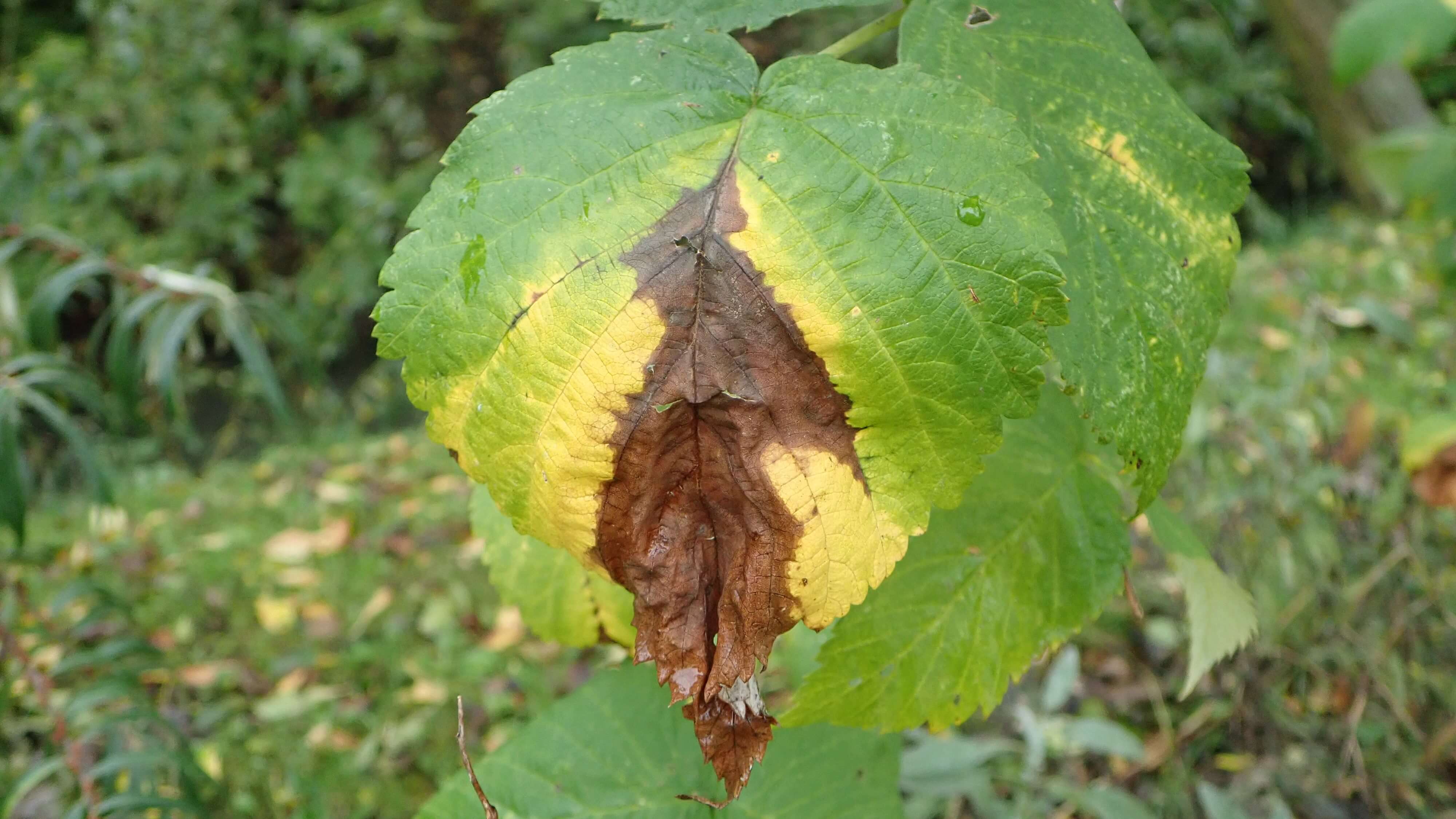
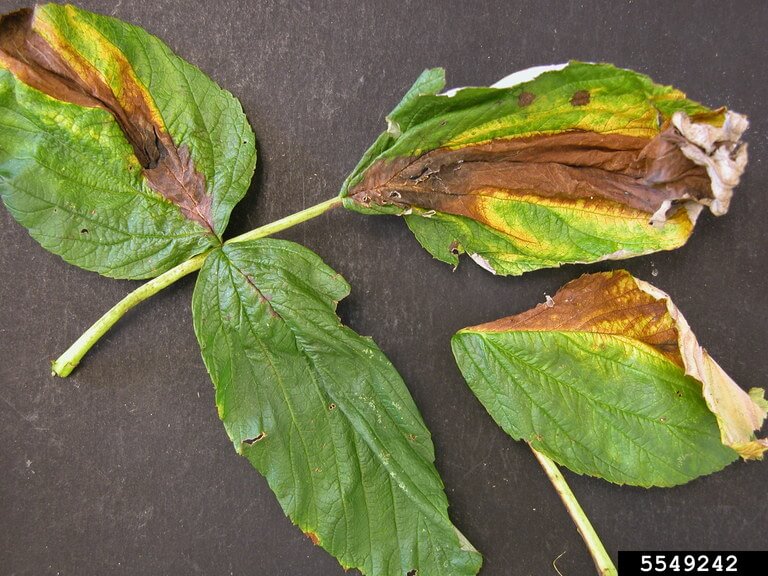
Purple spot or spur blight mainly affects raspberry canes, causing a reduction in productivity and fruit quality. Initial infection occurs in young leaves and canes, spreading throughout the growing season. Infected canes show a characteristic discoloration that varies from purple to dark brown, affecting photosynthesis and plant vitality.
- Purple Taches on the leaves and canes.
- Elliptical lesions on the canes that expand and darken over time.
- Appearance of black pycnidia in the lesions.
- Premature leaf fall.
- Loss of vigor and productivity in affected plants.
- Regressive death of severely infected canes.
- Reduction in the size and quality of the fruits produced.


TEMPERATURE AND HUMIDITY
15°C - 25°C
70% - 90%

TRANSMISSION ROUTES
Wind, water splashes, contaminated agricultural tools, infected plant remains, contaminated soil
Do you want to remove this disease? Choose how you want to treat it.

TREATMENTS
Chemical treatments
• AZOXISTROBIN 25% [SC] P/V
• DIFENOCONAZOLE 25% [EC] P/V
Treatments allowed in organic farming
-
Biological treatments
• BACILLUS SUBTILIS (STRAIN QST 713) 1.34% [SC] P/V
• CLONOSTACHYS ROSEA CEPA J1446 (GLIOCLADIUM CATENULATUM (CEPA J1446)) (1 x 10E 9 cfu/g) 900 g/kg [WG] P/P
Recommendations
- Implement an adequate crop rotation to reduce the presence of the pathogen in the soil.
- Remove and destroy remains of infected plants after harvest to reduce the source of inoculum.
- Use raspberry varieties resistant to Didymella applanata when available.
- Ensure good ventilation in crops through adequate spacing between plants and regular pruning.
- Avoid sprinkler irrigation to minimize the spread of spores through splashing water.
- Apply preventive and curative fungicides in a timely manner, following technical recommendations.
- Regularly monitor crops to detect early symptoms of the disease and apply control measures quickly.
- Improve soil drainage to avoid high humidity conditions that favor infection.
- Practice integrated pest and disease management to reduce stress on plants and improve their resistance.
- Perform soil analysis and adjust fertilization to maintain optimal nutritional balance.





*The recommended treatments are recommendations based on the authorities' databases and in no way replace the guidelines established by the legislation of each country.
*Products shown are recommendations and not our own products. As Amazon Associates, we earn revenue from purchases of recommended products.

TREATMENTS
Homemade remedies
There are no home treatments
Natural allies
Chemical treatments
There are no treatments for this disease. Treatments are directed at the insect vectors that transmit it. See insect treatments.

RECOMMENDATIONS

REPELLENT PLANTS
EFFECTIVE PRODUCTS TO ELIMINATE THIS DISEASE
*The recommended treatments are recommendations based on the authorities' databases and in no way replace the guidelines established by the legislation of each country.
*Products shown are recommendations and not our own products. As Amazon Associates, we earn revenue from purchases of recommended products.



Explore more tools
Services
Contact
Legal
©2023 por ZeriMar Laboratoire. Todos los derechos reservados.