


Symptoms, treatments, and recommendations for treating soft rot
Soft Rot
Erwinia Carotovora / Pectobacterium Carotovorum
Pathogen:
Type:
Bacterium
Risk:
CRITICAL
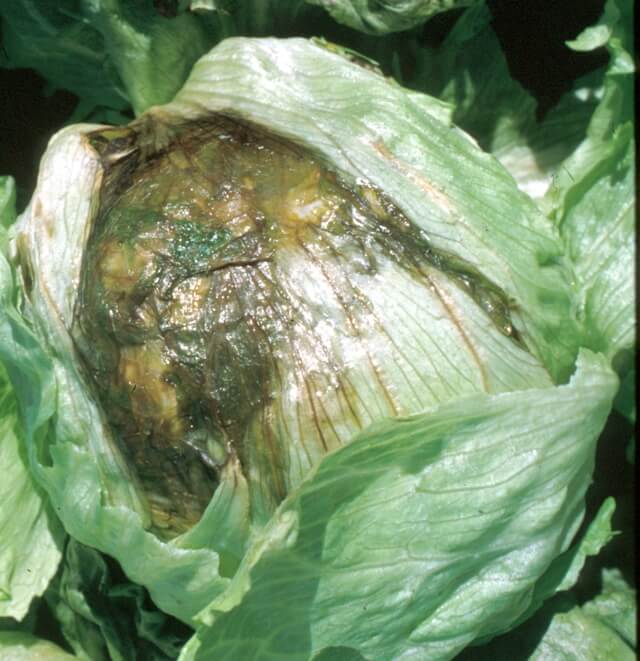
Lechuga y similares
Moho blanco
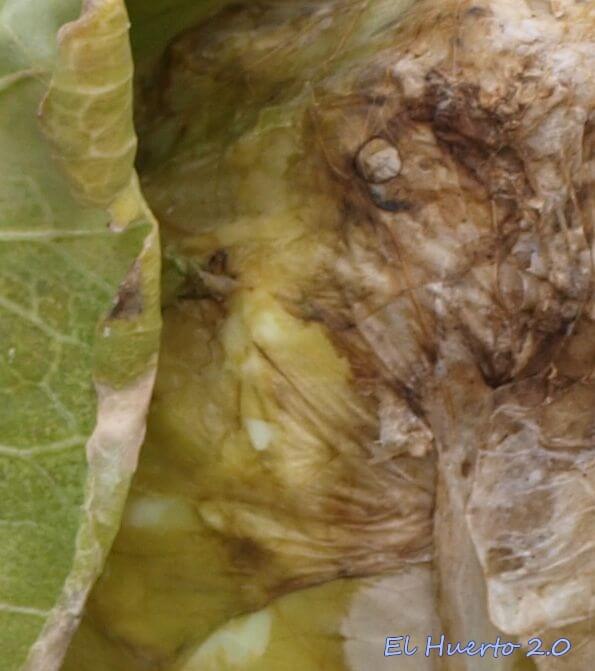

WHO CAUSES IT?
Erwinia carotovora (also known as Pectobacterium carotovorum) is a phytopathogenic bacteria commonly found in soil and decomposing plant remains. This bacteria attacks a wide variety of plants, including lettuce, generating decomposition of plant tissues through the secretion of pectinolytic enzymes that degrade the plant cell wall. The bacteria penetrate tissues through wounds or natural openings, such as stomata, especially under conditions of high humidity or mechanical damage. During the advanced stages of infection, plant tissue turns into a slimy, watery mass, releasing new bacterial cells into the environment, where they can survive in plant debris or contaminated water, ready to infect new plants when conditions are favorable.

SYMPTOMS
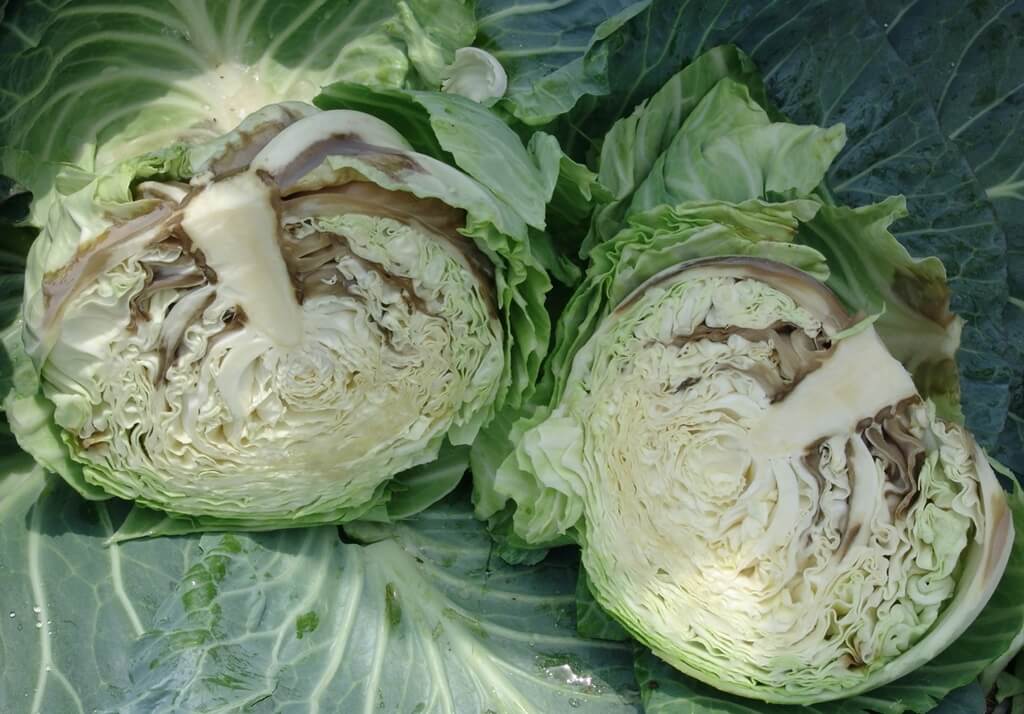
Soft rot caused by Erwinia carotovora in lettuce is a highly destructive disease that mainly affects the fleshy and succulent parts of the plant. Early signs include the appearance of small watery lesions at the base of the leaves, which rapidly expand in warm, humid conditions, causing accelerated decomposition of the tissues. Affected plants become soft and emit a foul odor, typical of advanced bacterial decomposition.
- Moist and watery lesions at the base of the leaves.
- Rapid and soft decomposition of the affected tissues.
- Emission of a foul odor due to the degradation of tissues.
- Collapse of the external leaves that become watery and slimy.
- Total loss of the plant when the infection progresses uncontrolled.


TEMPERATURE AND HUMIDITY
20-30°C
70-90%

TRANSMISSION ROUTES
Contaminated soil, irrigation water, contact with infected tools, plant debris, plant wounds
Do you want to remove this disease? Choose how you want to treat it.

TREATMENTS
Chemical treatments
• FOSETIL-AL 80% [WG] P/P
• CUPRIC HYDROXIDE 20% (EXPR. IN CU) [WG] P/P
• CUPRIC HYDROXIDE 25% (EXPR. IN CU) [WG] P/P
• CUPRIC HYDROXIDE 30% (EXPR. IN CU) [WG] P/P
• CUPRIC HYDROXIDE 35% (EXPR. IN CU) [WG] P/P
• CUPRIC HYDROXIDE 36% (EXPR. IN CU) [SC] P/V
• CUPRIC HYDROXIDE 50% (EXPR. IN CU) [WG] P/P
• CUPRIC HYDROXIDE 50% (EXPR. IN CU) [WP] P/P
• COPPER OXYCHLORIDE (Exp. in Cu) 52% [SC] P/V
• COPPER OXYCHLORIDE 30% (EXPR. IN CU) [WP] P/P
• COPPER OXYCHLORIDE 35% (exp. in Cu) [WG] P/P
• COPPER OXYCHLORIDE 35% (EXPR. IN CU) [WG] P/P
• COPPER OXYCHLORIDE 37.5% (EXPR. IN CU) [WG] P/P
• COPPER OXYCHLORIDE 38% (EXPR. IN CU) [SC] P/V
• COPPER OXYCHLORIDE 50% (EXPR. IN CU) [WG] P/P
• COPPER OXYCHLORIDE 50% (EXPR. IN CU) [WP] P/P
• COPPER OXYCHLORIDE 52% (EXPR. IN CU) [SC] P/V
• COPPER OXYCHLORIDE 70% (EXPR. IN CU) [SC] P/V
• CUPROUS OXIDE 50% (EXPR. IN CU) [WP] P/P
• CUPROUS OXIDE 75% (EXPR. IN CU) [WG] P/P
• CUPROCALCIC SULFATE 12.4% (EXPR. IN CU) [SC] P/V
• CUPROCALCIC SULFATE 20% (EXPR. IN CU) [WG] P/P
• CUPROCALCIC SULFATE 20% (EXPR. IN CU) [WP] P/P
• CUPROCALCIC SULFATE 20% (EXPR. IN CU) [WG] P/P
• CUPROCALCIC SULFATE 20% [WP] P/P
• TRIBASIC COPPER SULFATE 19% (EXPR. IN CU) [SC] P/V
• TRIBASIC COPPER SULFATE 40% (EXPR. IN CU) [WG] P/P
Treatments allowed in organic farming
• CUPRIC HYDROXIDE 20% (EXPR. IN CU) [WG] P/P
• CUPRIC HYDROXIDE 25% (EXPR. IN CU) [WG] P/P
• CUPRIC HYDROXIDE 30% (EXPR. IN CU) [WG] P/P
• CUPRIC HYDROXIDE 35% (EXPR. IN CU) [WG] P/P
• CUPRIC HYDROXIDE 36% (EXPR. IN CU) [SC] P/V
• CUPRIC HYDROXIDE 50% (EXPR. IN CU) [WG] P/P
• CUPRIC HYDROXIDE 50% (EXPR. IN CU) [WP] P/P
• COPPER OXYCHLORIDE (Exp. in Cu) 52% [SC] P/V
• COPPER OXYCHLORIDE 30% (EXPR. IN CU) [WP] P/P
• COPPER OXYCHLORIDE 35% (exp. in Cu) [WG] P/P
• COPPER OXYCHLORIDE 35% (EXPR. IN CU) [WG] P/P
• COPPER OXYCHLORIDE 37.5% (EXPR. IN CU) [WG] P/P
• COPPER OXYCHLORIDE 38% (EXPR. IN CU) [SC] P/V
• COPPER OXYCHLORIDE 50% (EXPR. IN CU) [WG] P/P
• COPPER OXYCHLORIDE 50% (EXPR. IN CU) [WP] P/P
• COPPER OXYCHLORIDE 52% (EXPR. IN CU) [SC] P/V
• COPPER OXYCHLORIDE 70% (EXPR. IN CU) [SC] P/V
• CUPROUS OXIDE 50% (EXPR. IN CU) [WP] P/P
• CUPROUS OXIDE 75% (EXPR. IN CU) [WG] P/P
• CUPROCALCIC SULFATE 12.4% (EXPR. IN CU) [SC] P/V
• CUPROCALCIC SULFATE 20% (EXPR. IN CU) [WG] P/P
• CUPROCALCIC SULFATE 20% (EXPR. IN CU) [WP] P/P
• CUPROCALCIC SULFATE 20% (EXPR. IN CU) [WG] P/P
• CUPROCALCIC SULFATE 20% [WP] P/P
• TRIBASIC COPPER SULFATE 19% (EXPR. IN CU) [SC] P/V
• TRIBASIC COPPER SULFATE 40% (EXPR. IN CU) [WG] P/P
Biological treatments
• BACILLUS AMYLOLIQUEFACIENS (subsp. plantarum, strain D747) 25% [WG] P/P
• BACILLUS SUBTILIS (STRAIN QST 713) 1.34% [SC] P/V
Recommendations
- Carry out careful handling of plants to avoid wounds that could serve as entry points for the bacteria.
- Remove and destroy the remains of infected plants immediately to reduce the presence of bacterial inoculum in the field.
- Improve soil drainage and avoid waterlogging to reduce favorable conditions for the proliferation of bacteria.
- Avoid excessive irrigation, especially by sprinkling, since high humidity favors the spread and development of the disease.
- Maintain adequate crop rotation to reduce the accumulation of pathogens in the soil.
- Apply preventive treatments with bactericides at times of high risk, such as after heavy rain or mechanical injuries.
- Promote crop ventilation with an adequate plant density to reduce environmental humidity.
- Inspect and disinfect cultivation tools and equipment to prevent transmission of the pathogen.





*The recommended treatments are recommendations based on the authorities' databases and in no way replace the guidelines established by the legislation of each country.
*Products shown are recommendations and not our own products. As Amazon Associates, we earn revenue from purchases of recommended products.

TREATMENTS
Homemade remedies
There are no home treatments
Natural allies
Chemical treatments
There are no treatments for this disease. Treatments are directed at the insect vectors that transmit it. See insect treatments.

RECOMMENDATIONS

REPELLENT PLANTS
EFFECTIVE PRODUCTS TO ELIMINATE THIS DISEASE
*The recommended treatments are recommendations based on the authorities' databases and in no way replace the guidelines established by the legislation of each country.
*Products shown are recommendations and not our own products. As Amazon Associates, we earn revenue from purchases of recommended products.



Explore more tools
Services
Contact
Legal
©2023 por ZeriMar Laboratoire. Todos los derechos reservados.